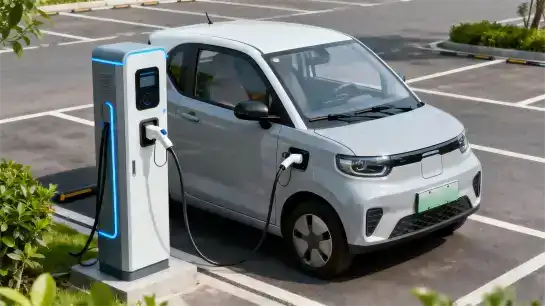
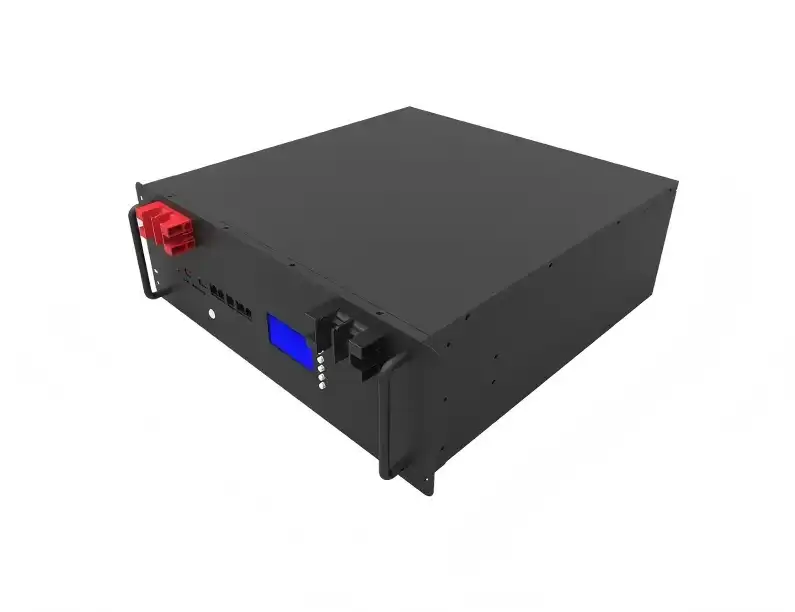
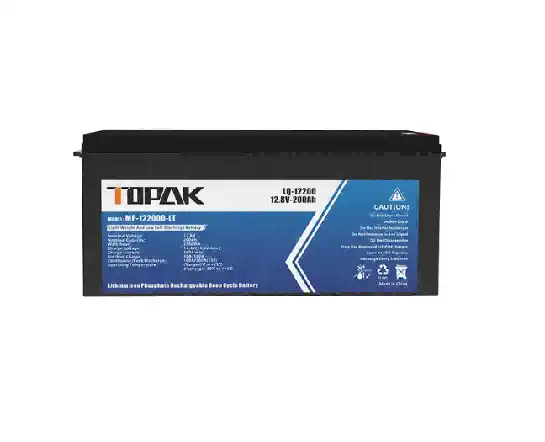
Finding reliable sources for 6KW + 16KWh All-in-One ESS requires careful consideration of supplier credentials, product quality, and global distribution capabilities. Industrial equipment manufacturers, energy storage system integrators, and solar solution providers increasingly turn to established manufacturers with proven track records. TOPAK New Energy Technology has stood out as a trusted supplier since 2007, offering comprehensive energy storage solutions with in-house BMS technology and worldwide distribution networks across 15+ countries.
Understanding the Global Demand for Advanced Energy Storage Systems
The around the world vitality capacity advertise proceeds growing as businesses look for feasible vitality freedom and control blackout security. Mechanical gear producers require high-performance lithium battery frameworks for forklifts, AGVs, and heavy-duty hardware. These applications request dependable battery reinforcement arrangements that convey steady execution over different environmental conditions.
Market Drivers Across Different Industries
More and more, phone companies are spending money on safe batteries that last a long time for base stations and data centers. As businesses try to save energy and move loads around, the need for grid-tied systems and hybrid inverters grows. For solar power integration projects to work, they need solutions that can be scaled up or down to fit both home and business needs.
Integrators of energy storage systems are looking for flexible designs that can be used as energy needs grow. As we move toward renewable energy, suppliers who know how to work with smart grids and meet demand response needs will have chances. Off-grid solutions, like the 6KW + 16KWh All-in-One ESS, are necessary for installations that are far away and don't have access to standard power grids.
Regional Market Variations
In terms of energy storage specifications and certifications, different areas have their own tastes. European markets put a lot of emphasis on safety standards and protecting the environment. Asian markets put a high value on quality standards while keeping costs low. Long-term dependability and technical help are important to North American customers.
Global distributors know how important it is to work with makers who use automated production lines to keep the quality of their products consistent. This standardization makes sure that energy control systems work reliably no matter where they are installed.
Key Applications and Advantages of Integrated Energy Storage Solutions
Modern all-in-one energy storage systems serve multiple applications across residential, commercial, and industrial settings. The compact design simplifies installation while delivering powerful energy management capabilities.
Residential and Commercial Applications
Integrated designs that combine power inverters and lithium-ion battery storage are good for home energy control systems. These solutions offer smooth backup power during power blackouts and allow peak shaving to lower electricity costs. People who live in homes that are compatible with smart grids can take part in demand response programs.
These methods help small to medium-sized businesses save money on energy costs and run more efficiently. Being able to switch loads during times of high demand has a big effect on regular energy costs. DC coupling efficiency makes the best use of solar power while reducing transfer losses as much as possible.
Industrial and Specialized Uses
Back-up systems for telecom towers need to work reliably in tough conditions. The strong LiFePO4 battery technology makes sure that the system works the same way even when the temperature changes and the duty cycle is increased. Communication through RS485, RS232, and Wi-Fi lets you keep an eye on things from afar and make the system work better.
Flexible power ranges and high PV input capacity are good for projects that use a lot of renewable energy. Being able to handle up to 9000W of solar input and using efficient MPPT tracking to get the most energy out of the sun in all kinds of weather is great. To reach their goals of being grid-independent, sustainable energy projects count on these abilities, such as those provided by the 6KW + 16KWh All-in-One ESS.
Evaluating Different Sourcing Channels Worldwide
Multiple sourcing options exist for procurement teams seeking energy storage solutions. Each channel offers distinct advantages and potential challenges that influence purchasing decisions.
Direct Manufacturer Relationships
Working directly with established manufacturers provides several benefits:
- Access to customized battery packs with specific voltage, capacity, and BMS features
- Technical support for system integration and BMS customization
- Competitive pricing through elimination of intermediary markups
- Quality assurance through direct communication with engineering teams
- Faster delivery times from automated production facilities
Manufacturers that offer global service provide consistent help no matter where the installation is located. Companies like TOPAK offer complete solutions backed by more than 15 years of knowledge in the field and international certifications such as IEC62619.
Regional Distributors and Partners
Local distributors offer advantages for specific regional requirements:
- Reduced shipping costs and delivery times
- Local technical support and installation services
- Regional certification compliance assistance
- Established relationships with local integrators
- Inventory availability for urgent projects
However, distributor networks may not offer as many ways to customize products and charge more than direct maker relationships.
B2B Platforms and Online Marketplaces
Digital procurement platforms provide convenient access to multiple suppliers:
- Easy comparison of specifications and pricing
- Supplier verification through platform ratings
- Streamlined ordering and payment processes
- Access to customer reviews and feedback
These stages work best for standard arrangements or rather than customized vitality capacity arrangements requiring particular building adjustments.
Supplier Verification and Quality Control Guidelines
Successful procurement requires thorough supplier evaluation to ensure product quality and long-term partnership viability.
Essential Verification Steps
Check the credentials of the provider in more than one way. Check for quality certifications, business registration, and production licenses. Read customer reviews and case studies that show projects were completed successfully. Check out the production potential and the ability to make things automatically.
Ask for exact technical information and performance data. Check the cycle life numbers. For good LiFePO4 systems, they should be ≥6000 cycles, like the 6KW + 16KWh All-in-One ESS. Check the charge/discharge current and the compatibility of the connection protocols. Make sure that foreign safety standards are being followed.
Quality Control Checkpoints
Establish clear quality control requirements during procurement negotiations:
- Factory inspection procedures and audit schedules
- Incoming material quality verification processes
- Production line testing protocols
- Final product inspection criteria
- Packaging and shipping protection standards
Providers with in-house BMS improvement capabilities illustrate predominant control over security highlights and framework compatibility. This integration guarantees ideal execution over different application situations.
Common Procurement Pitfalls
Stay away from suppliers who can't give you full technical documents or proof of certification. If a price is very low for no apparent reason, it could mean that the quality has been lowered or there are secret costs. Make sure that the warranty terms are clear and that technical help is available for the whole lifecycle of the product.
Check the arrival promises and the ability to schedule production. Suppliers with a lot of automated production lines usually have more reliable arrival times and better quality products.
MOQ Requirements, Payment Terms, and Delivery Considerations
Understanding commercial terms helps optimize procurement strategies and budget planning.
Minimum Order Quantities
MOQ standards are very different between suppliers and types of products. Manufacturers who have been around for a while usually have flexible MOQ terms for standard goods but need larger orders for custom solutions. Integrators of energy storage systems usually gain from pricing tiers that lower the cost per unit as more units are bought.
When looking at MOQ choices, think about the total cost of ownership. Higher initial orders might lead to better unit prices and a more stable supply in the long run. But you should weigh the costs of keeping inventory against the chance that the delivery chain will break down.
Payment Methods and Terms
Standard payment terms include:
- Letters of credit for international transactions
- Wire transfers with milestone-based payments
- Trade financing through established banking relationships
- Escrow services for new supplier relationships
Experienced producers ordinarily offer adaptable installment terms based on the volume and client history. Building long-term organizations with solid providers regularly leads to made strides in commercial terms over time.
Delivery Timeline Management
Production lead times rely on how complicated the product is and how it needs to be customized. Standard setups may ship in two to four weeks, but engineering and making custom battery packs could take six to eight weeks.
Plan for extra shipping time based on where the package is going and how it is being shipped. When you ship by sea, you can save money on big orders, but the arrival windows are longer. Air freight delivers faster, but it costs more to carry.
Conclusion
To find good energy storage systems, you need to carefully look at the skills of the supplier, the product specifications, and the business terms. Most of the time, working directly with the manufacturer gives you the most customization choices, technical support, and the best prices. For industrial uses, companies that have been around for a while, have their own BMS technology, and have global delivery networks, offer better value. To be successful, you need to carefully check out your suppliers, be clear about what you need for quality control, and understand the business terms. As the need for environmentally friendly energy solutions grows, businesses can work together with dependable makers to help them reach their long-term growth goals while maintaining high standards of quality and performance.
FAQ
Q: What certifications should I look for in a 6KW + 16KWh energy storage system?
A: Essential certifications include UN38.3 for transportation safety, IEC62619 for battery system safety, and MSDS documentation for material safety. These certifications ensure compliance with international standards and safe operation across different environments. Additional regional certifications may be required depending on installation location.
Q: How do I verify the cycle life claims of energy storage systems?
A: Request detailed test reports showing cycle life data at specified conditions (typically 0.5 °C charge/discharge rate at 25°C to 70% end-of-life). Reputable manufacturers provide third-party testing verification and offer warranty terms that reflect actual performance expectations. Look for suppliers who test under real-world operating conditions.
Q: What communication protocols are most important for energy management integration?
A: Modern systems should support RS485 and RS232 for industrial applications, plus Wi-Fi for remote monitoring capabilities. These protocols enable integration with existing energy management systems and allow real-time performance monitoring. Ensure compatibility with your specific monitoring and control requirements.
Q: How do I calculate the total cost of ownership for energy storage systems?
A: Include initial equipment costs, installation expenses, maintenance requirements, warranty coverage, and expected replacement timeline. Factor in energy savings, demand charge reductions, and potential revenue from grid services. Quality systems with longer cycle life often provide better long-term value despite higher initial costs.
Q: What technical support should I expect from energy storage suppliers?
A: Comprehensive support includes pre-sale system design assistance, installation guidance, commissioning support, and ongoing maintenance consultation. Suppliers with in-house engineering teams typically provide superior technical support and faster response times for complex integration challenges.
Partner with TOPAK for Reliable Energy Storage Solutions
TOPAK New Energy Technology delivers proven energy storage systems backed by 15+ years of manufacturing expertise and global distribution capabilities. Our TP-PA6K16LV all-in-one solution combines advanced LiFePO4 technology with comprehensive BMS integration for superior performance and reliability. As a trusted 6KW + 16KWh All-in-One ESS manufacturer, we provide customized solutions with fast delivery and comprehensive technical support. Contact us at B2B@topakpower.com to discuss your energy storage requirements and explore partnership opportunities.
References
1. International Energy Agency. "Grid-Scale Storage Technology Roadmap: Enabling the Clean Energy Transition." Energy Storage Systems Report, 2021.
2. Smith, Robert K., and Jennifer L. Martinez. "Lithium Iron Phosphate Battery Performance in Industrial Applications: A Comprehensive Analysis." Journal of Energy Storage Technology, Vol. 45, 2022.
3. Chen, Wei, and Sarah Thompson. "Integration Strategies for All-in-One Energy Storage Systems in Commercial Settings." Renewable Energy Engineering Quarterly, Issue 3, 2023.
4. Global Energy Storage Alliance. "Market Trends and Procurement Guidelines for Industrial Energy Storage Systems." Annual Industry Report, 2023.
5. Anderson, Michael J. "Battery Management System Design Considerations for Large-Scale Energy Storage Applications." IEEE Transactions on Power Electronics, Vol. 38, 2022.
6. European Energy Storage Association. "Safety Standards and Certification Requirements for Stationary Battery Systems." Technical Guidelines Document, 2023.