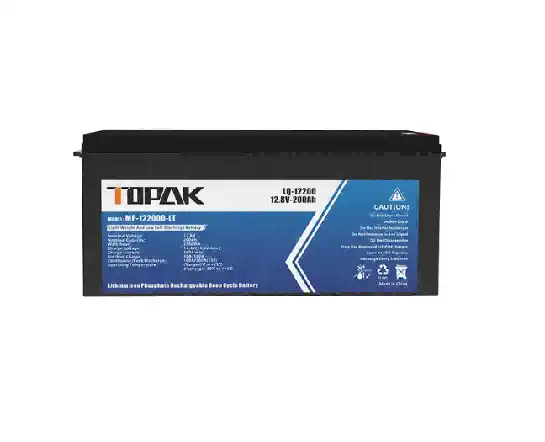
The global energy storage market has experienced unprecedented growth, driving demand for high-performance battery solutions across industries. Finding the right 51.2V 100Ah vertical battery supplier requires careful consideration of multiple factors including manufacturer credibility, product quality, certification compliance, and global service capabilities. This comprehensive guide explores the worldwide landscape of battery procurement, helping you make informed decisions for your energy storage needs.
Understanding the Global Market for Vertical Battery Systems
Market Demand Across Different Regions
Different parts of the world have very different needs when it comes to vertical battery systems. These needs are affected by local energy laws, industrial growth, and the rate at which renewable energy is adopted. North America is the leader in business uses, especially for UPS systems and forklifts. European markets put a lot of emphasis on business energy storage projects and integrating renewable energy. Demand is driven by infrastructure for telecommunications and automation in manufacturing in the Asia-Pacific area.
Industry Applications Driving Growth
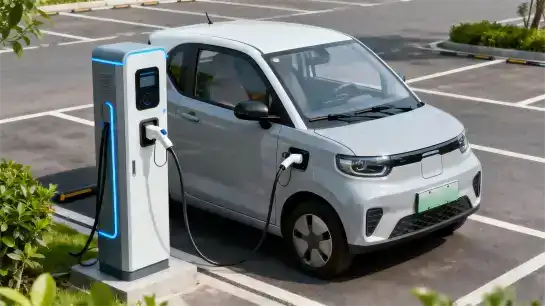
51.2V battery solutions are becoming more and more popular in many fields. Base stations and data centers need stable backup power from telecommunications companies. Industrial equipment makers need reliable ways to run AGVs and robotic systems. Solar energy solution companies are looking for battery storage that works with solar panels for both homes and businesses. Different market segments are made because different applications need different performance qualities.
Emerging Market Trends
As the market moves forward, safety standards, longer cycle lives, and modular designs—such as those found in the 51.2V 100Ah Vertical Battery—are becoming more important. Buyers give more weight to suppliers who can provide full technical help and make changes to orders. Moving toward automatic production methods helps keep quality high while meeting the needs for more and more products. Manufacturers that follow strict green standards are more likely to be chosen by environmental laws.
Key Advantages of 51.2V 100Ah Vertical Battery Technology
Superior Energy Density and Performance
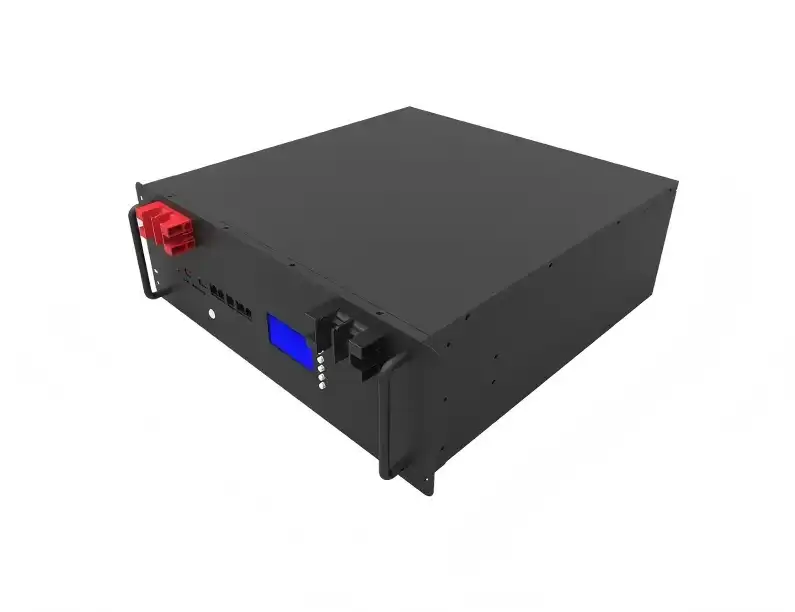
Modern vertical battery designs increase energy density while reducing the size of the battery's footprint. The 5.12 kWh volume in a small 550x420x230mm package makes it very space-efficient. High-tech lithium-ion cells work the same way at all temperatures, so they can be used reliably in a variety of settings. The vertical arrangement is better at managing heat and makes fitting easier.
Extended Cycle Life Benefits
The total cost of ownership is much lower with premium battery systems that can be charged and discharged over 6,000 times at 80% depth of discharge. This longer lifespan means that it will work reliably for years with little upkeep needed. The smart battery management system constantly checks the conditions of the cells to protect them from overcharging, overdischarging, and thermal runaway. Because they last so long, vertical batteries are perfect for mission-critical uses.
Scalability and Integration Features
Modern vertical battery systems can connect up to 10 units in parallel, which makes it possible to store more energy. CAN and RS485 are just two of the many communication protocols that make it easy to connect to existing devices. Monitoring can be done from afar with the optional Bluetooth and 4G units. Because of this, businesses can start with smaller setups and add more space as their needs change.
Comparing Global Sourcing Channels for Battery Procurement
Direct Manufacturer Partnerships
Working directly with manufacturers has many benefits, such as lower prices, the ability to customize products, and full expert support. Manufacturers with a lot of experience, like TOPAK, offer a wide range of certifications and quality guarantee. When people have direct ties, they can talk about requirements and delivery times more clearly. But the minimum order quantity might be higher, and the payment terms might need bigger promises.
Advantages:
- Competitive pricing and customization options
- Direct technical support and engineering assistance
- Quality assurance and comprehensive warranties
- Long-term partnership opportunities
Considerations:
- Higher minimum order quantities
- Longer lead times for custom specifications
- More complex procurement processes
Regional Distributors and Partners
Local distributors offer useful services like faster delivery, help in the local language, and easier operations. They often keep popular models such as the 51.2V 100Ah Vertical Battery in stock, which cuts wait times by a large amount. The import process is handled by distributors, who also offer local guarantee service. This channel works well for standard setups and smaller amounts.
B2B Platforms and Online Marketplaces
Digital platforms make it easy to compare prices and give you access to many sellers at once. Many platforms offer buyer security programs and services to make sure the information is correct. But the authenticity and consistency of the quality of the products can range from one supplier to the next. When evaluating new vendors through online platforms, it's important to do your research.
Essential Supplier Evaluation Criteria
Manufacturing Capabilities and Quality Systems
Check out potential suppliers' quality control systems, production capacity, and amount of automation. Find businesses that have been certified by ISO9001:2015 and have automated production lines. TOPAK runs big, automated factories with more than 100 high-tech production tools that make sure quality is always high, and deliveries are quick. Automated cell matching and laser welding tools help make the products more reliable.
Certification and Compliance Standards
Make sure that the suppliers' foreign market certifications are up to date. For stationary uses, IEC62619 certification is necessary. For transportation safety, UN38.3 approval is needed, as well as MSDS documentation. These certifications make sure that the product meets world safety standards and make it easier to get it through customs. Also, suppliers should show that they follow environmental management systems such as ISO14001:2015.
Technical Support and Customization Services
Check to see how good the providers' engineering skills are and how willing they are to offer custom solutions. Having the ability to create BMS in-house shows that you have more advanced technical knowledge and can better integrate your products. Suppliers should give detailed technical documentation, help with installation, and provide support services that continue for a long time. For certain uses, being able to change voltage, capacity, and transmission protocols is very important.
Practical Procurement Guidelines
Minimum Order Quantities and Payment Terms
Most manufacturers have minimum order numbers that can be as low as one unit for standard products, such as the 51.2V 100Ah Vertical Battery, or as high as a few thousand units for custom solutions. Terms of payment usually include paying 30 to 50 percent up front, and the rest is due before the shipment. For bigger orders, letter of credit solutions may be possible. Knowing these needs helps with making budgets and keeping track of cash flow.
Quality Verification and Testing Procedures
Set up strong quality control measures, such as checks and performance tests, before shipping. Ask for specific test reports that include safety certifications, capacity verification, and cycle life validation. International quality assurance companies help a lot of providers with third-party inspections. Setting clear acceptance criteria stops arguments and makes sure the customer is happy with the result.
Logistics and Delivery Considerations
Due to rules about dangerous goods, shipping batteries needs to be handled in a certain way. Experienced sellers handle paperwork and work with licensed logistics providers to make sure everything runs smoothly. Delivery times range from two to four weeks for basic items to six to eight weeks for custom solutions. Shipping fees and import taxes should be added to the total budget for buying things. For packages of high value, insurance coverage is a must.
Regional Market Analysis and Opportunities
North American Market Dynamics
North America is an established market with a high demand for backup power systems and commercial uses. Safety standards and environmental compliance are emphasized by regulations. The market likes suppliers that can offer local technical help and quick responses. In distribution networks, area partners usually help with service and inventory.
European Energy Storage Landscape
European markets put a high value on apps that integrate renewable energy and keep the grid stable. Environmental laws that are very strict favor suppliers that have full sustainability plans. The market wants high-quality goods with long guarantees and records of working well. To get into the market, you need to have CE marking and RoHS compliance.
Asia-Pacific Growth Opportunities
Strong demand is being driven by fast industrialization and the growth of telecommunications across the Asia-Pacific area. Smart city projects and automating factories both make room for energy storage options. Local content standards and government incentives affect which suppliers are chosen. Getting into new markets faster is possible by building relationships with area partners.
Conclusion
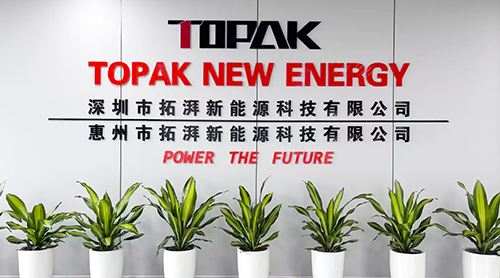
Successfully sourcing 51.2V 100Ah vertical batteries worldwide requires careful evaluation of suppliers, understanding regional market dynamics, and implementing robust procurement procedures. The global market for 51.2V 100Ah Vertical Battery products offers numerous opportunities, but success depends on choosing reliable partners with proven manufacturing capabilities and comprehensive support services. TOPAK New Energy Technology exemplifies the ideal supplier profile with 15+ years of experience, advanced automated production, and global distribution networks. Their TP-48100V model delivers exceptional performance, safety, and reliability for diverse applications. When evaluating suppliers, prioritize those offering comprehensive certifications, technical support, and long-term partnership commitments to ensure project success and optimal return on investment.
FAQ
Q: What certifications should I look for when buying 51.2V 100Ah vertical batteries?
A: Essential certifications include IEC62619 for energy storage systems, UN38.3 for transportation safety, and MSDS documentation. These certifications ensure product safety, international compliance, and smooth customs clearance. Additionally, look for ISO9001 quality management certification from the manufacturer.
Q: What are typical minimum order quantities for vertical battery systems?
A: Minimum order quantities vary by supplier and product type. Standard models may have MOQs of 1-10 units, while customized solutions typically require 50-100 units minimum. Established manufacturers like TOPAK often accommodate smaller initial orders to build long-term partnerships.
Q: How long does international shipping take for battery orders?
A: Shipping times depend on destination and logistics method. Air freight typically takes 5-10 days, while sea freight requires 15-35 days, depending onthe route. Add 1-2 weeks for customs clearance and local delivery. Plan accordingly for project timelines and consider inventory management.
Partner with TOPAK for Reliable 51.2V 100Ah Vertical Battery Solutions
TOPAK New Energy Technology stands ready to meet your vertical battery system requirements with proven expertise and global reach. As a trusted 51.2V 100Ah Vertical Battery manufacturer since 2007, we deliver industrial-grade solutions to 15+ countries worldwide. Our TP-48100V model combines advanced BMS technology, extensive certifications, and exceptional 6000+ cycle life for superior performance. Whether you need standard configurations or customized solutions, our automated production capabilities ensure consistent quality and timely delivery. Ready to discuss your energy storage needs? Contact us at B2B@topakpower.com for personalized consultation and competitive pricing.
References
1. International Energy Agency. "Global Energy Storage Market Analysis and Forecast." IEA Publications, 2023.
2. Battery Industry Research Institute. "Lithium-ion Battery Technology Trends and Market Dynamics." Industrial Battery Review, Vol. 45, 2023.
3. Energy Storage Association. "Best Practices for Industrial Battery Procurement and Implementation." ESA Technical Guidelines, 2023.
4. International Electrotechnical Commission. "IEC 62619: Safety Requirements for Secondary Lithium Cells and Batteries for Stationary Applications." IEC Standards Publication, 2022.
5. Global Battery Supply Chain Research. "Regional Analysis of Energy Storage Markets and Procurement Strategies." Battery Market Intelligence, 2023.
6. Industrial Equipment Manufacturers Association. "Vertical Battery Systems: Design Considerations and Application Guidelines." IEMA Technical Report, 2023.