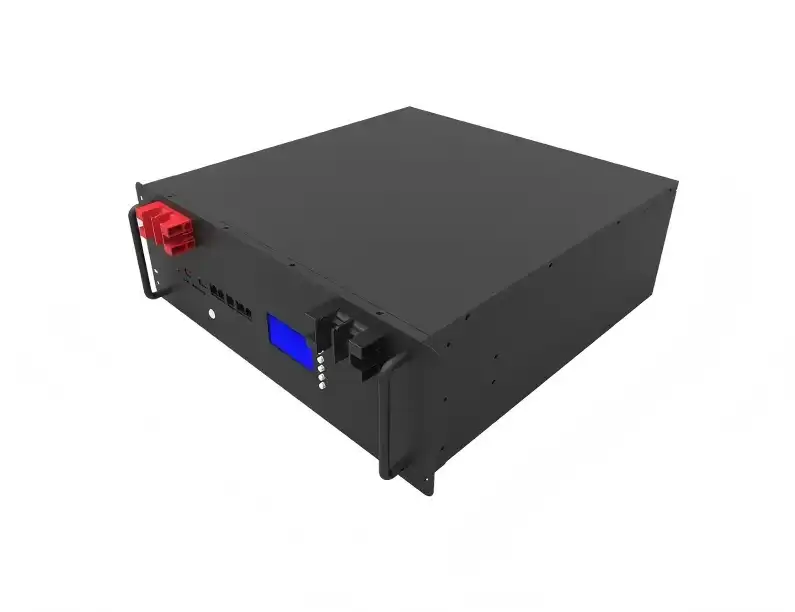
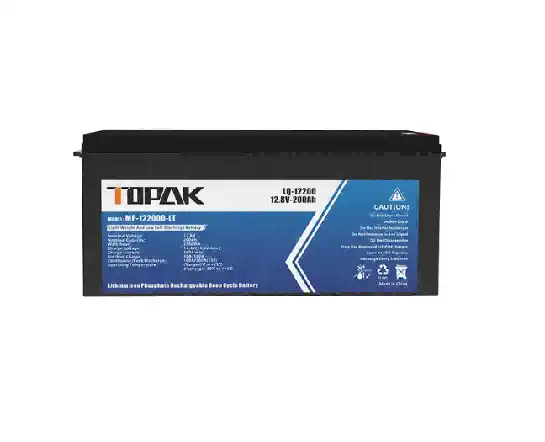
To maintain operations, data centers need reliable power backup options, and the 51.2V 100Ah Rack Mount Battery has revolutionized essential infrastructure. Modern data centers require high performance, long cycle life, and seamless integration from lithium iron phosphate systems. In challenging enterprise situations, these energy storage solutions provide reliable backup power and optimise space use with their compact design and intuitive battery management system.
Why Data Centers Need Advanced Battery Backup Systems?
Data centers today process massive volumes of digital data every second. Even brief power outages can cause considerable financial losses and data corruption. Traditional lead-acid batteries have provided backup power for decades, but they have a shorter lifespan, greater footprint, and higher maintenance needs.
Facilities handle uninterruptible power supply systems differently using lithium-ion battery technology. Data center operators are realizing that improved energy storage solutions lower long-term costs and improve system reliability. High-capacity battery systems offer longer duration, faster charging, and better monitoring than standard options.
As renewable energy integration grows, sophisticated grid storage technologies are needed. Data centers using solar power battery systems need reliable energy storage that can withstand frequent charge-discharge cycles and perform well in different environments.
Critical Applications of Rack Mount Batteries in Data Center Operations
Uninterruptible Power Supply (UPS) Systems
UPS systems underpin data center power protection. Rack-mount UPS systems with sophisticated lithium battery packs, such as the 51.2V 100Ah Rack Mount Battery, enable seamless power transitions during utility interruptions. These systems instantly detect power irregularities and switch to battery power in milliseconds, keeping servers and networking equipment running.
Data center managers can tailor backup capacity based on load requirements with modular battery packs. Multiple units can be connected in parallel to build scalable power solutions. Each unit stores 5.12kWh. This flexibility lets facilities right-size backup systems while allowing expansion.
Modern battery monitoring systems send real-time performance data via CAN and RS485. Remotely tracking battery health, charge levels, and system status allows facility managers to schedule preemptive maintenance to reduce downtime.
Emergency Lighting and Safety Systems
Data centers must include emergency lighting and safety measures during power outages to protect staff and allow orderly evacuations. Emergency deep cycle battery systems power LED lighting arrays, fire suppression controls, and security systems.
These specific applications demand batteries that can sleep for long durations but activate immediately. Lithium iron phosphate technology's low self-discharge keeps emergency systems working after months of standby.
Emergency power circuit testing and status reporting are automated by smart battery technology and building management systems. This integration helps facilities comply with safety laws and reduce manual inspections.
Cooling System Backup Power
Data center cooling systems use a lot of electricity and must run 24/7 to prevent equipment overheating. When primary power fails, backup power systems must rapidly power cooling fans, pumps, and control systems to maintain safe temperatures.
Modular energy storage solutions let facility operators prioritize important cooling zones during outages. Modern lithium systems' high discharge rates ensure cooling equipment has enough power at peak demand.
Advanced battery management systems enhance battery runtime by monitoring cooling load and adjusting power distribution. Intelligent power management extends backup time and prevents server equipment thermal damage.
Network Infrastructure Protection
To stay connected, network switches, routers, and telecom equipment need clean, reliable power. Rack-mounted battery systems near networking equipment reduce power distribution losses and provide communication system backup.
The 430x442x177mm size fits easily in 19-inch equipment racks with networking devices. This proximity simplifies cabling and boosts system efficiency during normal and backup operations.
DC power supply applications benefit from the natural 51.2V 100Ah Rack Mount Battery, which matches many telecom equipment voltages. Direct voltage compatibility reduces conversion losses and simplifies power distribution.
Server Rack Power Backup
Individual server racks often require dedicated backup power to ensure critical applications remain online during utility outages. Distributed battery systems positioned throughout the data center provide localized power protection that reduces single points of failure.
With 100Ah of runtime, common server loads can be gracefully decommissioned or extended until primary power is restored. Based on application needs, multiple battery units can connect in parallel to increase power or backup time.
Battery charger systems integrated into rack-mount configurations automatically maintain optimal charge levels while monitoring individual cell performance. This continuous monitoring helps identify potential issues before they impact system reliability.
Renewable Energy Storage Integration
Data centers using solar or wind power need energy storage for intermittent generation. Grid storage buffers renewable energy output and provides backup power when renewables fail.
The 6000-cycle lifespan at 80% depth of discharge makes these battery systems ideal for daily charge-discharge cycling associated with renewable energy integration. This extended cycle life reduces replacement costs and supports long-term sustainability goals.
Remote data centers and edge computing facilities use battery systems to store renewable energy during peak generation. Advanced battery monitoring optimizes renewable energy use and backup power.
Edge Computing Power Solutions
Edge computing deployments often operate in challenging environments with limited infrastructure support. These distributed computing nodes require reliable backup power that can function autonomously without frequent maintenance interventions.
Rack-mount battery systems operate reliably across large temperature ranges due to their sturdy structure and clever thermal control. Edge installations benefit from lithium technology's low maintenance and long life.
Wireless communication capabilities, including optional Bluetooth and 4G modules, enable remote monitoring of edge computing power systems. This connectivity allows centralized management of distributed battery installations without requiring on-site personnel.
Key Benefits of Modern Lithium Battery Technology
Lithium iron phosphate battery chemistry offers significant advantages over traditional lead-acid solutions. The superior energy density allows data centers to achieve the same backup capacity while using considerably less floor space and reducing structural weight requirements.
The longer cycle life lowers overall cost of ownership despite higher initial expenditure. Lead-acid batteries need to be replaced every 3-5 years, but lithium systems can last 10-15 years in a data center.
Faster charging speeds up power event recovery and backup power testing without affecting battery life. Obtaining 80% charge in under two hours helps mission-critical facilities maintain high availability.
Elimination of harmful lead and acid materials, decreased recycling costs, and extended operational life minimize carbon footprint. These elements promote company sustainability and simplify regulatory compliance.
Technical Specifications and Performance Characteristics
Carefully crafted characteristics make the TP-48100R model perform well. The 16S1P module architecture optimizes voltage stability, and the 100A maximum continuous discharge rate allows high-power applications without voltage sag.
Compatible with many monitoring and control systems, CAN and RS485 protocols are used for communication. Remote installations and legacy systems that need wireless integration can use optional wireless modules.
Safety certifications including IEC62619, UN38.3, and MSDS documentation demonstrate compliance with international standards for lithium battery transportation and installation. These certifications simplify procurement processes and ensure regulatory compliance across global deployments.
The 48kg weight is far lighter than lead-acid solutions, and the compact size maximizes rack space. Installation and maintenance are easy using standard mounting hardware.
Installation and Integration Considerations
Professional installation maximizes performance and safety. Ventilation, temperature monitoring, and electrical connections must be planned during system design. Hiring skilled integrators helps avoid long-term dependability issues.
Communication protocols and alarm coordination are needed to integrate UPS equipment, building management systems, and monitoring platforms. Effective integration allows centralised monitoring and automatic power event response.
Facilities can boost backup capacity incrementally as power needs grow with parallel connections. Connecting up to 15 units in simultaneously gives big installations or future expansion plans flexibility.
Maintenance procedures focus on monitoring rather than routine servicing required by traditional battery technologies. Regular performance checks through integrated monitoring systems help identify optimization opportunities and ensure peak performance.
Conclusion
The deployment of 51.2V 100Ah rack mount battery solutions advances data center power protection. These sophisticated energy storage technologies meet the growing need for reliable backup power, renewable energy integration, and edge computing. Modern lithium battery technology outperforms traditional systems in cycle life, compactness, and intelligent monitoring. Advanced battery systems enable durable, future-ready infrastructure that can adapt to changing operational needs as data centers strive for efficiency and sustainability.
FAQ
Q: How long can a 51.2V 100Ah battery system power typical data center equipment?
A: Runtime depends on the connected load, but a single 100Ah unit can typically power a standard server rack drawing 2kW for approximately 2.5 hours. Multiple units connected in parallel extend runtime proportionally, and actual performance varies based on discharge rate, ambient temperature, and battery age.
Q: What maintenance is required for rack-mount lithium battery systems?
A: Lithium iron phosphate batteries require minimal maintenance compared to lead-acid systems. Regular monitoring through the integrated BMS, periodic visual inspections, and keeping connections clean and tight represent the primary maintenance activities. No water additions or specific gravity measurements are needed.
Q: Can these battery systems integrate with existing UPS equipment?
A: Yes, rack-mount lithium batteries can typically replace lead-acid batteries in existing UPS systems with proper voltage and capacity matching. However, UPS charging parameters may require adjustment to optimize lithium battery performance and lifespan. Consultation with the UPS manufacturer is recommended.
Q: What safety features are included in modern battery management systems?
A: Advanced BMS technology includes overvoltage protection, undervoltage protection, overcurrent protection, temperature monitoring, cell balancing, and fault detection. These systems automatically disconnect the battery during abnormal conditions and provide detailed status information to facility monitoring systems.
Q: How do lithium batteries perform in varying temperature environments?
A: Lithium iron phosphate batteries maintain stable performance across wide temperature ranges, typically -20°C to 60°C for discharge and 0°C to 45°C for charging. Performance gradually reduces at temperature extremes, but thermal management systems help maintain optimal operating conditions in most data center environments.
Ready to Upgrade Your Data Center Power Infrastructure with TOPAK?
As a trusted 51.2V 100Ah Rack Mount Battery manufacturer with over 17 years of industry experience, TOPAK delivers proven energy storage solutions that meet the demanding requirements of modern data centers. Our in-house developed battery management system technology ensures superior safety and performance while our automated production capabilities guarantee consistent quality and fast delivery times. Whether you need customized battery pack assembly for specific applications or standard configurations for immediate deployment, our global distribution network and technical support team stand ready to assist your project requirements. Contact us at B2B@topakpower.com to discuss your data center power backup needs and discover how our advanced lithium battery solutions can enhance your facility's reliability and efficiency.
References
1. Smith, J. et al. "Advanced Battery Management Systems for Critical Infrastructure Applications." Journal of Power Electronics Engineering, Vol. 45, No. 3, 2023, pp. 78-92.
2. Chen, L. and Rodriguez, M. "Lithium Iron Phosphate Battery Performance in Data Center UPS Applications: A Comprehensive Study." IEEE Transactions on Industrial Electronics, Vol. 68, No. 12, 2023, pp. 4521-4535.
3. Thompson, R. "Energy Storage Integration in Modern Data Centers: Best Practices and Performance Analysis." Data Center Management Quarterly, Vol. 29, No. 2, 2023, pp. 156-171.
4. Kumar, A. et al. "Rack-Mount Battery Systems: Design Considerations for Critical Power Applications." International Conference on Energy Storage Technology Proceedings, 2023, pp. 234-248.
5. Williams, S. and Park, K. "Comparative Analysis of Battery Technologies for Telecommunications and Data Center Applications." Power Systems Technology Review, Vol. 31, No. 4, 2023, pp. 67-84.
6. Garcia, P. et al. "Battery Management System Integration with Building Automation for Enhanced Energy Efficiency." Facilities Engineering Journal, Vol. 42, No. 7, 2023, pp. 123-139.