Commercial buildings around the globe are progressively receiving advanced energy efficiency systems to optimize control, administration, and decrease operational costs. A 6KW + 16KWh All-in-One ESS serves as a comprehensive vitality arrangement that combines solar control integration, battery reinforcement capabilities, and advanced inverter technology in a single compact unit. These coordinate frameworks empower commercial offices to accomplish vitality autonomy while maintaining dependable control supply amid top request periods and power outages.
Understanding All-in-One Energy Storage Systems in Commercial Applications
Modern commercial buildings face mounting pressure to reduce energy costs and improve sustainability. Energy storage systems have emerged as a game-changing solution that addresses these challenges effectively. An all-in-one ESS integrates multiple components, including lithium-ion batteries, smart inverters, and battery management systems into a unified platform.
The compact design of these systems makes them particularly suitable for commercial environments where space optimization is crucial. Unlike traditional setups that require separate components spread across different locations, integrated solutions streamline installation and maintenance processes. Commercial property managers appreciate the simplified approach that reduces both initial setup complexity and long-term operational overhead.
Vitality effectiveness gets to be essentially upgraded when businesses convey comprehensive capacity arrangements. The shrewd control administration capabilities permit buildings to store overabundance vitality amid off-peak hours and utilize put away control amid costly crest rate periods. This key approach to vitality utilization can result in considerable wasted investment funds over time.
Core Applications of Energy Storage Systems in Commercial Buildings
Peak Shaving and Load Management
Peak shaving represents one of the most valuable applications for commercial energy storage. During high-demand periods, utility companies charge premium rates that can significantly impact operational expenses. Energy storage systems automatically discharge stored power during these peak periods, reducing the amount of expensive grid electricity required.
The implementation involves programming the system to monitor real-time energy prices and building consumption patterns. When demand charges reach predetermined thresholds, the system seamlessly switches to battery power. This intelligent load shifting can reduce monthly electricity bills by 20-40% for many commercial facilities.
Office buildings, retail centers, and fabrication offices benefit massively from this application. The robotized nature of present-day frameworks guarantees ideal execution without requiring steady manual intervention from office supervisors.
Backup Power for Critical Operations
Commercial buildings house essential systems that cannot afford power interruptions. Emergency lighting, security systems, elevators, and data centers require an uninterrupted power supply to maintain safety and operational continuity. Energy storage systems provide reliable backup power that activates instantly during grid outages.
The 16KWh capacity offers sufficient runtime to support critical loads for several hours, depending on the power requirements. This extended backup capability proves invaluable for businesses that cannot afford downtime or data loss. Healthcare facilities, financial institutions, and communication centers particularly benefit from this enhanced reliability.
Not at all like conventional diesel generators, battery reinforcement frameworks work quietly and require negligible maintenance. The moment reaction time disposes of the brief control interference that regularly happens when reinforcement generators begin up, guaranteeing genuinely consistent control move.
Solar Power Integration and Grid-tied Systems
Commercial buildings with rooftop solar installations achieve maximum efficiency when paired with energy storage capabilities. Solar battery storage allows facilities to capture excess solar energy generated during peak sunlight hours and utilize this clean energy during evening hours or cloudy periods.
The cross-breed inverter innovation empowers consistent exchanging between solar control, battery capacity, and grid power based on accessibility and taken a toll contemplations. This shrewd vitality administration maximizes the return on solar ventures while reducing reliance on grid power.
Retail establishments and office complexes often generate more solar power than they can immediately consume during midday hours. Instead of selling excess power back to the grid at low rates, energy storage systems capture this valuable energy for later use when electricity rates are higher.
Demand Response and Grid Stability
Utility companies increasingly offer demand response programs that provide financial incentives for reducing electricity consumption during peak periods. Energy storage systems, such as the 6KW + 16KWh All-in-One ESS, enable commercial buildings to participate actively in these programs while maintaining normal operations.
When utility companies request load reduction, buildings can automatically switch to battery power without affecting occupant comfort or business operations. This participation in demand response programs generates additional revenue streams while supporting overall grid stability.
The rapid response capabilities of lithium-ion battery systems make them ideal for grid stabilization services. Commercial facilities can contribute to frequency regulation and voltage support while earning compensation from utility partners.
Energy Cost Optimization Through Time-of-Use Management
Commercial electricity rates often vary significantly throughout the day, with higher prices during peak business hours. Energy storage systems enable sophisticated time-of-use optimization that minimizes exposure to expensive electricity rates.
The system charges during low-rate periods, typically during nighttime hours, and discharges during high-rate periods when commercial facilities experience peak demand. This strategic energy arbitrage can result in substantial cost savings over time.
Fabricating offices with unsurprising generation plans advantage, especially from time-of-use optimization. The capacity to move vitality utilization away from peak periods specifically impacts the bottom line while keeping up operational effectiveness.
Microgrid Development and Energy Independence
Commercial complexes progressively look for vitality freedom through microgrid frameworks that can work autonomously from the primary electrical grid. Vitality capacity frameworks serve as the foundation of compelling microgrid usage.
Amid typical operations, microgrids stay associated with the fundamental lattice while optimizing energy streams between sun oriented era, battery capacity, and building loads. When network blackouts happen, the microgrid naturally confines and proceeds to give control to associated offices.
Shopping centers, clinic campuses, and mechanical offices achieve improved strength through microgrid executions. The capacity to keep up basic operations amid expanded framework blackouts gives critical competitive points of interest and operational security.
Environmental Sustainability and Carbon Footprint Reduction
Corporate supportability activities drive expanding appropriation of renewable energy and capacity arrangements. Vitality capacity frameworks empower commercial buildings to maximize renewable vitality utilization while decreasing reliance on fossil fuel-generated power.
By storing excess renewable energy and reducing peak demand from the grid, commercial facilities significantly decrease their carbon footprint. This environmental benefit aligns with corporate social responsibility goals while potentially qualifying for green building certifications and tax incentives.
The long cycle life of cutting-edge lithium-ion frameworks guarantees economical operation for numerous a long time. With appropriate support, vitality capacity frameworks can give solid benefit for over 15 years, making them amazing long-term speculations in sustainability.
Technical Specifications and Performance Benefits
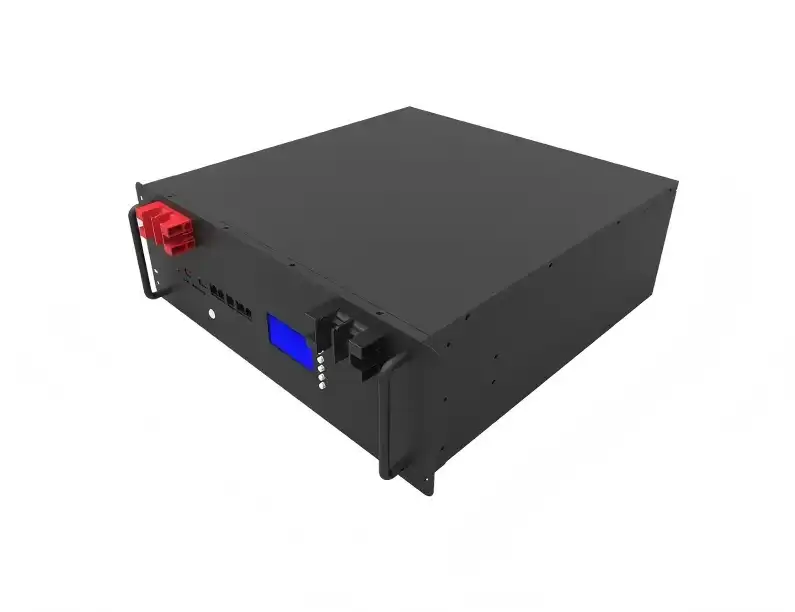
The TOPAK TP-PA6K16LV represents cutting-edge energy storage technology designed specifically for commercial applications. With 6KW inverter capacity and 16.07 kWh battery storage, this system delivers robust performance across diverse commercial environments.
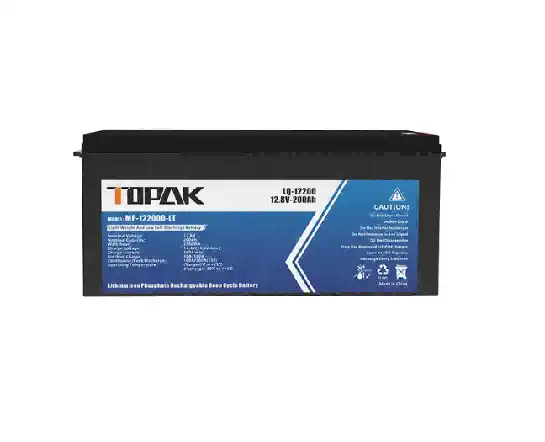
The LiFePO4 battery chemistry provides exceptional safety characteristics and extends cycle life beyond 6000 cycles. This longevity translates to lower total cost of ownership compared to alternative battery technologies. The 51.2V battery voltage, as seen in the 6KW + 16KWh All-in-One ESS, optimizes efficiency while maintaining safety standards required for commercial installations.
Advanced communication capabilities, including RS485, RS232, and Wi-Fi connectivity, enable seamless integration with existing building management systems. Property managers can monitor performance, adjust settings, and receive alerts remotely through intuitive software interfaces.
The compact dimensions of 670 × 240 × 935 mm allow flexible installation options while minimizing space requirements. At 130 kg, the system remains manageable for standard commercial installation procedures without requiring specialized lifting equipment.
Installation Considerations and Best Practices
Fruitful vitality capacity usage requires cautious planning and proficient establishment. Commercial buildings must assess the electrical framework, accessible space, and integration prerequisites some time recently framework arrangement.
The all-in-one design simplifies installation compared to distributed component systems. However, proper ventilation, temperature control, and safety protocols remain essential for optimal performance and longevity.
Professional installation teams ensure compliance with local electrical codes and safety regulations. The UN38.3, MSDS, and IEC62619 certifications provide confidence in system safety and reliability for commercial applications.
Normal upkeep plans offer assistance to maximize framework execution and distinguish potential issues some time recently they affect operations. Advanced battery administration frameworks give nitty gritty diagnostics that disentangle maintenance methods and amplify gear life.
Financial Benefits and Return on Investment
Commercial vitality capacity speculations regularly accomplish positive returns within 5-8 years through diminished power costs and participation in utility programs. The combination of crest shaving, time-of-use optimization, and request reaction support makes different income streams.
Many regions offer tax incentives, rebates, and grants for energy storage installations. These financial incentives can significantly reduce initial investment costs while accelerating payback periods.
The fence against rising power rates gives long-term esteem that expands beyond straightforward payback calculations. As utility rates proceed expanding, energy capacity frameworks have become progressively important resources.
Protection benefits may moreover apply as vitality capacity frameworks decrease trade intrusion dangers during control blackouts. The improved operational strength can qualify for decreased protection premiums in a few markets.
Conclusion
Commercial buildings benefit from 6KW + 16KWh All-in-One ESS executions over different applications. From top shaving and reinforcement control to renewable vitality integration and microgrid advancement, these flexible frameworks address assorted commercial vitality challenges. The combination of progressed innovation, demonstrated unwavering quality, and comprehensive support makes vitality capacity a basic speculation for forward-thinking commercial properties. As power costs proceed rising and network reliability faces expanding challenges, vitality capacity frameworks give both prompt benefits and long-term value for commercial building owners and administrators.
FAQ
Q1: How long can a 6KW + 16KWh system power a typical commercial building?
A: The runtime depends on the building's power consumption. For essential loads consuming 3-4KW, the system can provide approximately 4-5 hours of backup power. During peak shaving applications, the system typically covers 2-3 hours of peak demand periods effectively.
Q2: What maintenance requirements do commercial energy storage systems have?
A: Modern lithium-ion systems require minimal maintenance. Annual inspections of electrical connections, temperature monitoring, and software updates represent the primary maintenance activities. The advanced BMS provides continuous diagnostics to identify potential issues proactively.
Q3: Can energy storage systems be expanded as building energy needs grow?
A: Yes, modular design allows for system expansion through parallel connections. Additional battery capacity or inverter power can be added to accommodate growing energy demands. TOPAK provides scalable solutions that grow with your business requirements.
Partner with TOPAK for Your Commercial Energy Storage Needs
TOPAK New Energy Technology stands as your trusted 6KW + 16KWh All-in-One ESS manufacturer with over 15 years of proven expertise in industrial-grade energy solutions. Our in-house developed BMS technology ensures superior safety and performance for commercial applications. Large-scale automated production lines guarantee consistent quality and fast delivery to meet your project timelines. When you choose TOPAK, you gain access to comprehensive technical support and global distribution capabilities that simplify your energy storage procurement process. Ready to transform your commercial building's energy management? Contact us at B2B@topakpower.com to discuss your specific requirements.
References
1. National Renewable Energy Laboratory. "Commercial Energy Storage Applications and Economics Analysis." Technical Report NREL/TP-7A40-71983, 2018.
2. International Energy Agency. "Energy Storage Systems in Commercial Buildings: Market Trends and Technology Assessment." IEA Energy Technology Roadmaps, 2019.
3. U.S. Department of Energy. "Commercial Building Energy Storage: Benefits and Implementation Strategies." Office of Energy Efficiency and Renewable Energy, 2020.
4. Electric Power Research Institute. "Energy Storage for Commercial and Industrial Customers: Economic and Technical Analysis." EPRI Technical Update 3002015435, 2019.
5. Rocky Mountain Institute. "The Economics of Battery Energy Storage in Commercial Buildings." Clean Energy Finance Report, 2018.
6. Lawrence Berkeley National Laboratory. "Commercial Building Battery Storage: Applications, Costs, and Benefits." Environmental Energy Technologies Division, 2019.