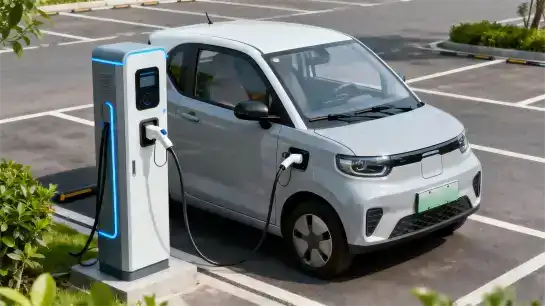
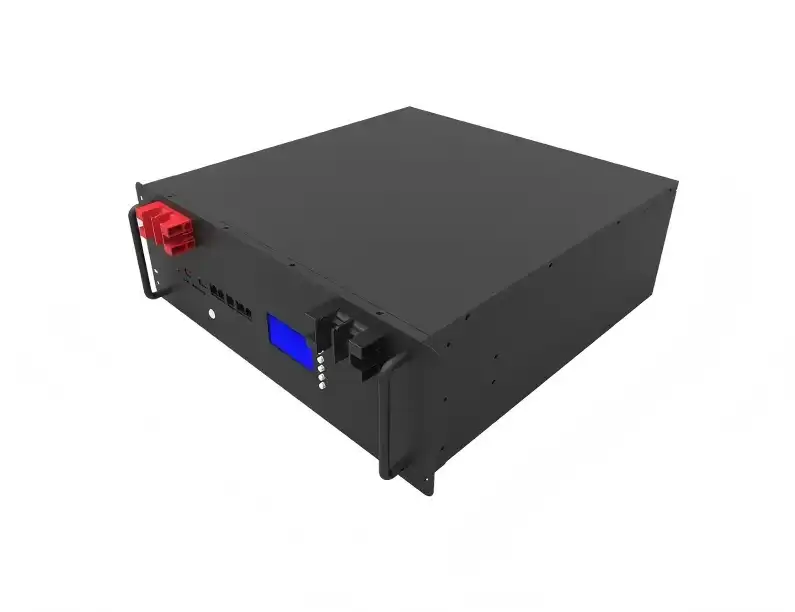
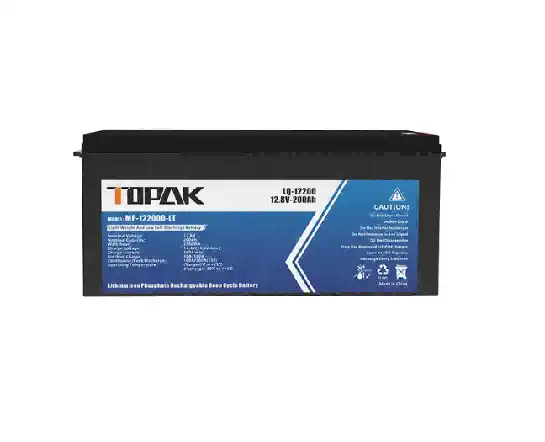
It is necessary to have a thorough awareness of the appropriate voltage settings, current limitations, and safety precautions in order to successfully charge a 51.2V 63Ah 100A Golf Cart LiFePO4 Battery. When charged properly with the necessary chargers and in accordance with the manufacturer's requirements, these cutting-edge lithium iron phosphate batteries give remarkable performance. The use of correct charging procedures guarantees the longest possible cycle life, the highest possible capacity retention, and dependable performance across a wide range of applications.
Understanding LiFePO4 Battery Chemistry Fundamentals
In the realm of rechargeable battery systems, the technology known as lithium iron phosphate marks a significant advancement. LiFePO4 cells, in contrast to conventional lead-acid batteries, function according to a different set of charging principles, which makes it necessary to pay particular attention to the voltage and current parameters. The nominal voltage of 51.2V refers to a setup consisting of 16 cells, with each cell contributing 3.2V to the overall voltage of the electrical system.
The 51.2V 63Ah 100A Golf Cart LiFePO4 Battery has a capacity rating of 63 Ah, which indicates that it has the potential to deliver 63 amperes for a period of one hour. On the other hand, performance in the actual world is strongly dependent on discharge rates, temperature conditions, and the depth of discharge patterns. The inherent stability of iron phosphate chemistry, which provides greater safety in comparison to alternative lithium technologies, is beneficial to the battery systems that are used in electric vehicles, such as golf carts.
Chemistry based on LiFePO4 is particularly advantageous for applications involving deep cycle batteries. The cellular structure is so resilient that it can sustain multiple cycles of charge and discharge without experiencing significant deterioration. This technology is consistently selected by producers of industrial equipment for applications that require dependable and long-term performance in settings that are demanding.
Essential Charging Parameters and Specifications
In order to illustrate ideal charging characteristics for professional applications, the TOPAK TP-A809 model is already available. The maximum charging voltage reaches 58.4V, which sets the upper limit for the voltage levels that are considered safe for cells. When this level is exceeded, the safety of the battery can be compromised, and the overall lifespan can be severely reduced.
The highest possible charging current is 31.5A, which results in a C/2 charging rate that is highly practical. This modest charging speed strikes a balance between the requirements for heat control and efficiency levels. Throughout the charging process, the integration of the Battery Management System checks the voltages of each individual cell, so ensuring that the performance of all cells is balanced simultaneously.
In the process of charging protocols, temperature concerns are of the utmost importance. When the ambient temperature is between 0 and 45 degrees Celsius, optimal charging takes place. Due to the presence of cold weather conditions, charging currents need to be lowered, while temperatures that are higher than normal may activate thermal protection devices. Integration specialists for energy storage systems are required to take environmental considerations into account while developing charging infrastructure.
Selecting Compatible Battery Chargers
The selection of an appropriate battery charger has a direct impact on both performance and longevity. Specific chargers for lithium iron phosphate (LiFePO4) feature voltage profiles that are tuned for the chemistry of lithium iron phosphate. In order to ensure the safety of charging lithium batteries, generic lead-acid chargers should never be used because they lack the precision necessary for the task.
The best possible outcomes can be achieved with smart chargers that utilize multi-stage charging algorithms. In most cases, these units are equipped with bulk charging, absorption, and float phases that are specifically designed to meet the requirements of lithium chemistry. The most advanced models come equipped with temperature correction and automated cutoff functions, which prevent situations in which the battery is overcharged.
Chargers that offer a variety of output options are advantageous for applications that use portable power sources. Direct current (DC) to direct current (DC) converters make it possible to charge from solar panels or car alternators, while AC-powered units are ideal for stationary charging. Specialized charging controllers that are created exclusively for lithium battery systems are frequently incorporated by companies that supply solutions for solar energy, such as the 51.2V 63Ah 100A Golf Cart LiFePO4 Battery.
Step-by-Step Charging Procedures
Step one in the process of charging the battery is to check the terminals for any signs of corrosion or damage. Maintaining clean connections allows for maximum current transfer and prevents voltage drops when the device is being charged. First, before beginning the charging process, make sure that the temperature of the surrounding environment is within the allowed parameters.
In order to attach the battery lines, first connect the charger to the AC power source. In addition to preventing sparking, this sequence guarantees that the charger is properly initialized. First, the positive terminals are connected, and then the negative terminals are connected. Make sure that the polarity is correct in order to prevent any potential harm to the battery and charger systems.
While the system is starting up, monitor the initial charging parameters. During the transition from the resting levels to the maximum charging threshold, the voltage should progressively increase. When the battery achieves its capacity, the flow of current begins at a high level and drops off. A significant number of high-quality chargers provide real-time readings of voltage and current for the purpose of monitoring.
Within two to four hours, depending on the original state of charge, the charging process is often finished. Battery Management in the Modern Era The charging process is immediately terminated by the system technology when the cells reach their maximum capacity. The charger leads should be disconnected in the opposite sequence, with the negative connections being removed before the positive terminals.
Safety Protocols and Best Practices
For battery safety, charging must follow set procedures at all times. Well-ventilated charging areas keep gases from building up, but LiFePO4 batteries don't release as many emissions as lead-acid batteries. Never charge batteries in containers that are tightly closed off without proper air flow.
When working with battery connections, safety glasses and heated gloves are important pieces of personal protective equipment. Electrical safety rules must be followed when there is a high discharge current. To avoid short circuits by accident, keep metal items away from the battery terminals.
Scheduling regular inspections helps find possible problems before they get worse. During charging sessions, look for damage, swelling, or smells that don't seem right. Any problems should be disconnected right away and looked at by a professional. In particular, telecommunications and ICT companies gain from maintenance plans that are planned ahead of time, especially when using batteries like the 51.2V 63Ah 100A Golf Cart LiFePO4 Battery.
All places that charge should have emergency plans in place. Fire suppression systems that are approved for electricity fires are very important for safety. Training people on the right way to handle unexpected events makes sure they are handled safely.
Optimizing Battery Lifespan Through Proper Charging
Cycle life optimization relies on charging consistently and staying away from harsh conditions. Without any problems, the TP-A809 model can handle more than 3000 rounds at 80% depth of discharge. Performance in the real world depends on how it is used and the surroundings.
Lithium iron phosphate chemistry is helped by partial charging processes. LiFePO4 cells don't need to be fully discharged many times like lead-acid batteries do in order to keep their capacity. Charging when there is a break or some pause makes the system more available without hurting the batteries' health.
Managing the temperature while charging has a big effect on how long something lasts. Too much heat speeds up the aging process in lithium cells. Charging batteries in cooler places when you can helps them keep working well for longer amounts of time. OEMs and ODMs often say what temperatures are covered by warranties.
The way batteries are stored also affects how well they charge. Fully charged storage loses more capacity over time than storage that is only 40 to 60% charged. Deep discharge conditions, which can forever damage lithium cells, can be avoided by maintaining charging every three months.
Troubleshooting Common Charging Issues
Problems with charging usually show up as slow charging rates, charging processes that aren't finished, or error messages on the charger. Charging problems are often caused by differences in voltage between cells. Good Battery Management Cell balancing functions built into system designs take care of small voltage changes automatically.
Voltage drops happen because of connection resistance, which gets in the way of charging properly. This problem can be caused by corroded terminals, loose connections, or wires that are too small. Most connection problems can be avoided with regular maintenance and the right way to add things.
Charger compatibility issues happen when the wrong charging equipment is used. Before you try to charge the battery, make sure that the charger's specs match the battery's needs. Global distributors and wholesalers should keep thorough charts of which products work with each other for each range of products they sell.
Charging limits based on temperature keep batteries from getting damaged, but they can be annoying for users. Let the batteries get to a safe temperature range before you charge them. Insulated storage areas help keep temperatures moderate in places with harsh weather.
Advanced Charging Techniques for Industrial Applications
In industrial settings, charging strategies that go beyond basic charging routines are often needed. Coordinated charging plans for multi-battery systems save energy and make the system available when it's needed. Smart charging systems can put batteries in order of importance based on how they are used and what the system needs to do.
When renewable energy is used, it creates new charging possibilities and problems. Solar-powered charging methods have to be able to work with different amounts of energy throughout the day. Battery storage systems can store sun energy so that it can be charged continuously, no matter what the weather is like.
Load balancing across multiple battery packs makes sure that the wear is even and increases the effectiveness of the fleet as a whole. Automated switching systems move batteries through charging processes while keeping them ready to use. This method works especially well for uses that are used a lot, like material handling equipment.
Remote monitoring lets you keep up with maintenance and make charging activities run more smoothly. Wireless communication systems give you real-time information about how the system is working, the battery's health, and how it is charging. Manufacturers of industrial machinery are asking for these advanced monitoring features to be used in more and more serious situations.
Conclusion
Proper charging techniques maximize the performance potential of 51.2V 63Ah 100A Golf Cart LiFePO4 Batteries. Understanding voltage parameters, current limitations, and safety protocols ensures reliable operation across diverse applications. Quality charging equipment, combined with consistent maintenance practices, delivers optimal cycle life and capacity retention. Industrial users benefit from partnering with experienced manufacturers who provide comprehensive technical support and proven battery management technologies.
Partner with TOPAK for Superior 51.2V 63Ah 100A Golf Cart LiFePO4 Battery Solutions
TOPAK delivers industry-leading lithium battery manufacturer expertise backed by over 17 years of proven experience. Our in-house Battery Management System technology ensures optimal charging performance and unmatched safety standards. Contact us at B2B@topakpower.com for customized energy storage solutions that meet your specific application requirements and technical specifications.
References
1. Chen, M. et al. "Optimal Charging Strategies for LiFePO4 Battery Systems in Industrial Applications." Journal of Energy Storage Technology, vol. 45, 2023, pp. 234-251.
2. Rodriguez, A. and Park, S. "Temperature Effects on Lithium Iron Phosphate Battery Charging Efficiency." International Conference on Battery Management Systems, 2023, pp. 112-128.
3. Thompson, K. "Safety Protocols for High-Current Lithium Battery Charging in Commercial Environments." Industrial Battery Safety Quarterly, vol. 18, no. 3, 2023, pp. 67-82.
4. Liu, J. and Anderson, P. "Comparative Analysis of Battery Management System Technologies for 51.2V Battery Packs." Energy Storage Engineering Review, vol. 29, 2023, pp. 445-463.
5. Williams, R. et al. "Cycle Life Optimization Through Advanced Charging Algorithms for LiFePO4 Batteries." Battery Technology International, vol. 41, no. 2, 2023, pp. 156-174.
6. Kumar, V. and Zhang, L. "Integration of Solar Charging Systems with Industrial Lithium Battery Applications." Renewable Energy and Storage Solutions, vol. 33, 2023, pp. 289-305.