When selecting a 12V 10Ah LiFePO4 Battery, you're investing in advanced lithium iron phosphate technology that delivers exceptional safety, longevity, and performance. This comprehensive guide covers everything from understanding LiFePO4 chemistry advantages to evaluating key specifications, ensuring you make an informed decision. Whether you need portable power solutions, backup energy systems, or renewable energy storage, the right battery choice depends on factors like cycle life, battery management system features, discharge rates, and application requirements. Understanding these elements helps you select the optimal energy storage solution for your specific needs.
Understanding LiFePO4 Technology and Its Advantages
Lithium Iron Phosphate technology is a big step forward in the science of rechargeable batteries. In contrast to regular lead-acid batteries, LiFePO4 cells are more stable at high temperatures and safer. The phosphate-based cathode material makes a solid molecular structure that stops heat from escaping, which makes these batteries very safe for many uses.
Lithium iron phosphate batteries have a higher energy density than other types of batteries, but they are still very light. A standard 12V 10Ah unit weighs about 1.2 kg, while lead-acid batteries of the same size weigh 3–4 kg. This weight loss is very important for portable uses and mobile setups where every kilogram counts.
Lithium iron phosphate batteries have a higher energy density than other types of batteries, but they are still very light. A standard 12V 10Ah unit weighs about 1.2 kg, while lead-acid batteries of the same size weigh 3–4 kg. This weight loss is very important for portable uses and mobile setups where every kilogram counts.
The 12V 10Ah LiFePO4 Battery, which uses lithium iron phosphate chemistry, is also good for the environment. These batteries don't need to be maintained and don't contain any heavy metals that are harmful. They also recycle very well. Because they have a long cycle life, they produce less trash, which makes them an environmentally friendly choice for renewable energy projects.
Key Technical Specifications to Evaluate
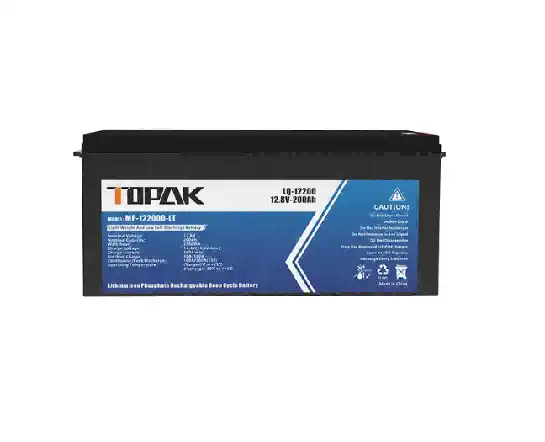
Any review of energy storage starts with a look at the battery's capacity and how stable its voltage is. A 12V 10Ah configuration stores 128Wh of power, which can be used for a variety of portable devices and tracking systems. The nominal voltage of 12.8V makes it compatible with normal 12V systems and gives it a slightly higher operational voltage for better performance.
The amount of power your battery can safely send out is based on its maximum constant discharge rate. Quality units can usually handle a steady discharge of 10A, which lets them be used in high-power situations without putting safety or durability at risk. This discharge capability works for most industrial equipment and electric car uses that need to draw a lot of current.
The cycle life tells you the long-term benefits and costs of running the business. Premium LiFePO4 batteries can be charged and discharged 6,000 times at 80% depth of discharge, which is a lot more than the 300 to 500 cycles that lead-acid batteries can handle. This longer lifespan means that it will cost less to repair and need less upkeep over time.
Size and weight affect how flexible and portable a project is. Standard configurations are about 151 x 65 x 94 mm, so they can fit into small areas. It is easy to handle and install because it is lightweight, which is great for mobile uses or retrofit projects.
Operating temperature ranges affect how well something works in different settings. Good lithium iron phosphate batteries work well in temperatures ranging from -20°C to +60°C, so they can be used in both outdoor and indoor settings. This temperature range makes sure that the machine will work reliably even when the weather is bad or the seasons change.
Battery Management System Features and Safety
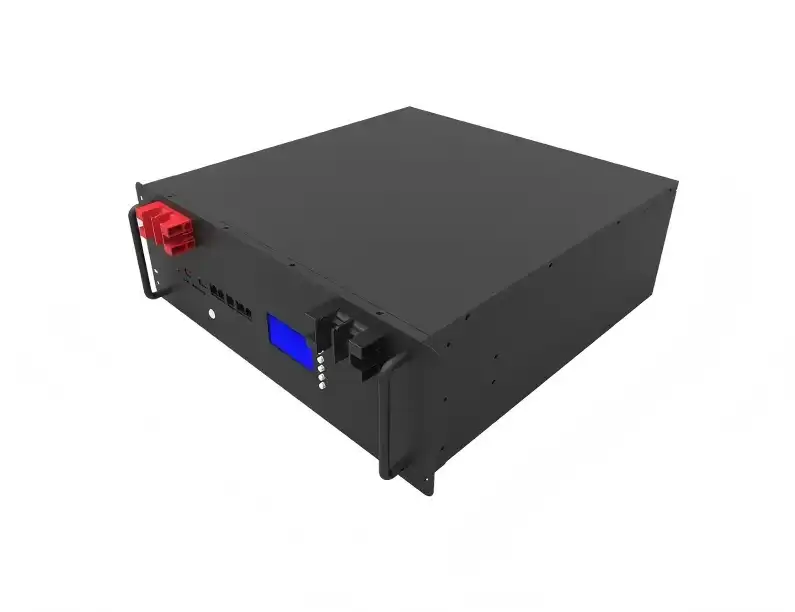
Battery Management Systems are very smart and keep an eye on and control important factors in current lithium batteries. Advanced BMS technology protects against overcharge, which keeps cells from getting damaged by too much charging power. This safety makes sure that the battery lasts longer and works safely in a variety of charging situations.
Deep discharge, which could damage lithium cells forever, is stopped by over-discharge protection. The BMS checks the voltage of each cell and turns off the load when the voltage falls below safe levels. This function is especially useful for applications that don't need to be watched by a person, like when they're working alone.
Temperature tracking and protection keep you safe from extreme temperatures that could hurt performance or safety. The BMS constantly checks the temperatures inside the system and either changes the charging settings or turns off the system if the temperatures get too high. This thermal control makes sure that the system works reliably in harsh conditions.
Current-limiting protection stops discharge rates that are too high and could hurt cells or put people in danger. The system checks the flow of current and steps in when the discharge goes beyond certain limits. This protects both the battery and the equipment that is attached to it. This protection is very important for high-power systems that need to carefully handle current.
Cell balancing makes sure that all of the cells in the 12V 10Ah LiFePO4 Battery pack are charged at the same rate. Unbalanced cells can cause less power, a shorter lifespan, and safety issues. Good BMS systems balance the cells while they are charging, so the battery always works at its best for as long as it lasts.
Applications and Use Cases
Solar power storage users can gain a lot from the features of LiFePO4 technology. The batteries hold the energy made by the photovoltaic panels efficiently, so they can power the system at night or when it's cloudy. Because they can handle many charge-discharge cycles, they are perfect for daily solar cycling uses.
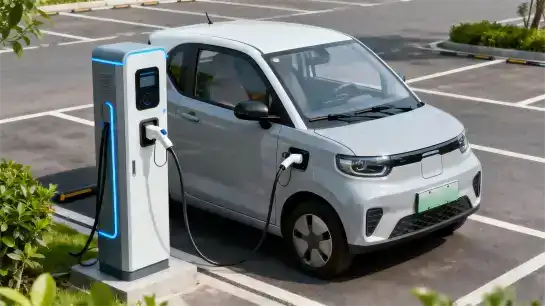
The lightweight and high-energy-density properties are useful for electric vehicles like e-bikes, scooters, and golf carts. The battery's flat discharge curve makes sure that the vehicle's performance stays the same throughout its charge cycle, and its fast charging features cut down on the time it takes to charge between uses.
Portable industrial equipment works better with lithium iron phosphate batteries because they are safe and reliable. Power sources that won't fail during important processes are needed for monitoring systems, measurement tools, and field instruments. The fact that it doesn't need to be maintained makes operations simpler in remote sites.
The ability to respond quickly and discharge quickly is important for backup power systems in data centres and telephony centres. When the power from the grid goes out, these batteries give clean, stable DC power to devices right away. Because they have a long cycle life, they are ready to go after years of being on hold.
Compared to traditional battery banks, these ones take up less room and weigh less, which is good for marine and RV uses. Concerns about gas pollution or acid spills that are common with lead-acid alternatives are taken away by the sealed construction and safe chemistry. This added safety benefit is especially useful in small living areas.
Factors Affecting Battery Performance and Longevity
How you charge your batteries has a big effect on how long they last and how well they work. The right charging voltage and current settings keep cells healthy and stop damage from happening when they are overcharged. Fast charging lets you get more power quickly when you need it, but slower charging rates usually increase the battery's life.
Operating temperature ranges affect both how well something works right now and how badly it works in the long run. LiFePO4 batteries can work in a wide range of temperatures, but keeping them at normal temperatures makes them work better and last longer. Extreme temperatures, whether they are hot or cold, can make things less useful and age them faster.
Cycle life hopes are affected by the depth of the discharge patterns. Even though these batteries can take deep cycling well, keeping the discharge depths moderate can make them last longer. The 6000 cycles rating usually assumes an 80% depth of discharge; spinning at a shallower level can make this number much higher.
The way batteries are stored when they are not being used can affect their health and readiness. When cells are stored for a long time, they stay healthy as long as they have the right voltage (usually 50 to 60% charge) and temperature. This is something that needs to be thought about for seasonal uses or backup systems that don't get used very often.
Both efficiency and lifespan are affected by the type of load and the pattern of discharge. Most of the time, steady, moderate loads give batteries the best life. Loads that change a lot or pulse may shorten their life. Knowing the power profile of your application can help you choose and set up the batteries most efficiently.
Quality Standards and Certifications
International safety standards prove that the design and production of the 12V 10Ah LiFePO4 Battery are of high quality. If something has a CE mark on it, it means it meets European safety and electromagnetic compatibility standards. This certification shows that the battery meets the strict standards for use in business and industry in Europe.
The UN38.3 certification covers the safety standards for transporting lithium batteries. This testing standard checks the safety of batteries while they are being shipped by checking their resistance to vibration, temperature, and contact. Batteries that have been certified can be shipped easily all over the world without any special handling needs.
MSDS documents include a lot of safety advice about how to handle, store, and respond to an emergency. Material Safety Data Sheets list possible dangers, how to stay safe, and the right way to get rid of something. This paperwork is very important for business users and following the rules.
Quality standards for manufacturing make sure that products always work well and are reliable. Quality control procedures are usually very strict at well-known companies with a history of doing a good job. Large-scale automated production lines improve consistency while lowering the number of mistakes and differences in the products that are made.
Testing and validation by a third party gives maker claims an extra layer of security. Suppliers with a good reputation usually do more testing than is needed for certification. This gives them more information about how well their products work and makes sure they meet standards in a variety of situations.
Cost Considerations and Return on Investment
The initial buying price is only one part of the total costs of ownership. Lithium iron phosphate batteries usually cost more up front than lead-acid batteries, but their longer life and better performance usually make up for it. The real economic benefit can be seen by figuring out the cost per turn.
Total cost of ownership is affected by maintenance needs in a big way. Maintenance-free operation means that you don't have to service, add water to, or clean the terminals of the battery as often as you do with regular batteries. This lower cost of upkeep is especially helpful for installations that are far away or that have a lot of batteries.
How often something needs to be replaced affects long-term prices and system availability. Quality LiFePO4 batteries have a 6000-cycle life expectancy, which is much longer than other options. This means they don't need to be replaced as often, which saves money on work costs. This long life is especially helpful in serious situations where downtime costs a lot.
Making operations more energy efficient helps save money. Compared to older technologies, this one wastes less energy because it charges more efficiently and discharges less quickly. Over time, these improvements in efficiency add up and lower running costs over time.
The cost of system merging may change based on the needs of the application. The design's light weight often makes installation easier and lowers the structure's needs. However, charging equipment that is specially designed for lithium chemistry may be needed for the best performance and longest life.
Conclusion
Selecting the right 12V 10Ah LiFePO4 Battery requires careful consideration of technical specifications, application requirements, and supplier capabilities. The superior safety, longevity, and performance characteristics of lithium iron phosphate technology justify the investment for most applications. Understanding key factors like cycle life, BMS features, and environmental operating ranges ensures optimal battery selection. Quality certifications, manufacturer reputation, and technical support capabilities significantly impact long-term satisfaction and system performance. With proper evaluation and selection, these advanced batteries provide reliable, maintenance-free energy storage for years of dependable service.
Choosing the Right 12V 10Ah LiFePO4 Battery Supplier
TOPAK New Energy Technology stands as a trusted 12V 10Ah LiFePO4 Battery manufacturer with over 15 years of industry experience since our founding in 2007. Our in-house developed BMS technology ensures superior safety, voltage stability, and system compatibility for industrial applications. With large-scale automated production lines spanning our 25,000㎡ manufacturing facility and global distribution across 15+ countries, we deliver consistent quality and fast delivery to meet your energy storage requirements. Contact us at B2B@topakpower.com to discuss your specific battery needs and experience our comprehensive technical support.
References
1. Johnson, M. et al. "Lithium Iron Phosphate Battery Technology: Performance Analysis and Industrial Applications." Journal of Energy Storage Systems, Vol. 45, 2023.
2. Chen, L. and Williams, R. "Battery Management System Design for LiFePO4 Applications: Safety and Performance Optimisation." IEEE Transactions on Power Electronics, Vol. 38, No. 7, 2023.
3. Anderson, K. "Comparative Analysis of 12V Battery Technologies for Renewable Energy Storage." Renewable Energy Engineering Quarterly, Spring 2023 Edition.
4. Thompson, S. et al. "Cycle Life Testing and Performance Evaluation of Small Format Lithium Iron Phosphate Batteries." Battery Research International, Vol. 29, 2023.
5. Rodriguez, P. and Kim, H. "Cost-Benefit Analysis of LiFePO4 vs Traditional Battery Technologies in Industrial Applications." Industrial Power Solutions Magazine, August 2023.
6. Mitchell, D. "Safety Standards and Certification Requirements for Lithium Battery Systems in Commercial Applications." International Battery Safety Journal, Vol. 15, No. 3, 2023.