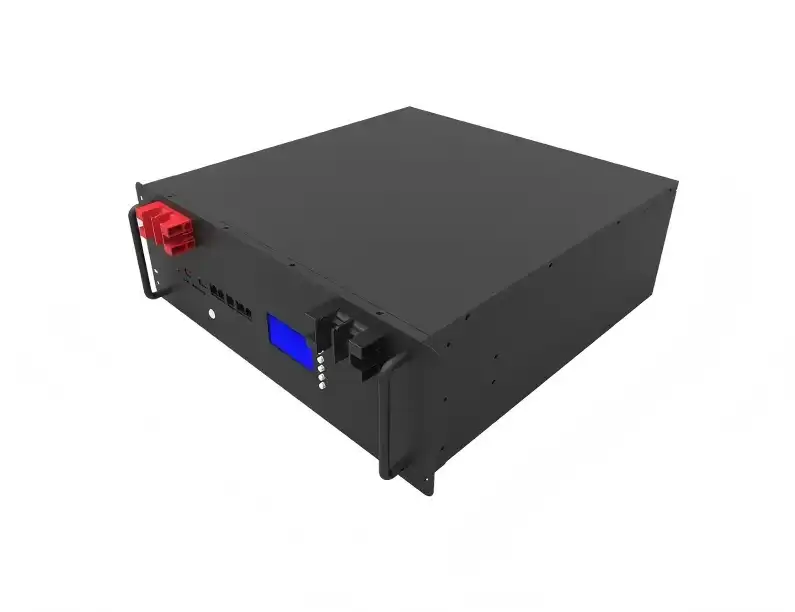
A Vertical Energy Storage System changes the way businesses handle power in commercial buildings by providing safe, space-saving ways to store energy. For office buildings, shopping malls, factories, and data centers, these high-tech lithium-ion battery systems offer backup power, peak shaving, and the ability to use green energy. Smart battery management systems that make the best use of energy conversion and grid storage help commercial projects save money on energy costs, make power more reliable, and be more environmentally friendly.
Understanding Modern Commercial Energy Storage Solutions
In the last ten years, the commercial energy market has changed a lot. Electricity costs are going up, the grid is becoming less stable, and businesses are under more pressure than ever to adopt environmentally friendly practices. These problems can be solved by modern energy storage systems that use advanced lithium-ion battery technology that provides a high energy density and reliable performance.
The International Energy Agency says that commercial buildings use about 35% of all the energy that is made in the world. This huge amount of use opens up chances to save a lot of money by strategically deploying energy storage. Vertical energy storage systems make the best use of space and give companies the flexibility they need to expand their energy infrastructure.
Battery management tools are very important for making sure safety and getting the best performance. To keep things running at their best, these smart control systems keep an eye on charge-discharge rates, temperature management, and electrochemical stability. When solid electrolyte technology and advanced separation technology are combined, safety features and cycle life are improved, making the product a better value for business use.
Peak Demand Management and Load Shaving
Peak demand charges usually make up 30 to 70% of a business's energy bill. To fight these costs, energy storage systems store electricity during off-peak hours, when rates are cheaper, and release it during peak hours, when rates go up. This method, called "load shaving," can cut yearly power costs by 20 to 40 percent.
Peak shaving skills are especially helpful in manufacturing facilities. A typical company that makes car parts might set up a 500kWh system to handle sudden power needs from heavy equipment. During times of high demand, the storage system turns on by itself, which avoids expensive demand charges and keeps activities running smoothly.
Adding a smart grid makes load control work better. Modern battery management systems talk to power grids to find the best charging times based on current price signs. This teamwork cuts costs as much as possible while keeping the grid stable through demand response programs that often give businesses that take part extra ways to make money.
Backup Power and Business Continuity
The Ponemon Institute says that companies lose an average of $50,000 per hour every time the power goes out. To keep things running smoothly, protect sensitive equipment, and keep workers safe, critical processes need power that doesn't go out. Vertical energy storage systems offer a reliable backup power source that turns on right away when the power from the grid goes out.
Data centers show how important it is to have backup power options. Big tech companies can lose millions of dollars in sales and reputational damage in just one hour of downtime. Modern storage systems have a high power density and can charge quickly, which means they can keep running even during long power blackouts. Adding thermal control systems keeps performance at its best even in backup situations with a lot of stress.
Healthcare sites need backup power for equipment that saves lives. Energy storage systems are used by hospitals to power critical care units, operating rooms, and medical imaging tools. For these uses, you need high levels of safety and dependability, like modern electrode materials and strong electrochemical stability that make sure the system always works when lives are at stake.
Renewable Energy Integration and Grid Stabilization
Energy storage systems are a good way to deal with the problems that come up when solar and wind power are used together. When commercial buildings have their own green energy sources, they store extra energy during times of high production and release it when production drops or demand rises. This integration of green energy sources makes the best use of clean energy while lowering reliance on the power grid.
A normal office building with a 200kW solar array might add 400kWh of storage to become 80% energy independent. During the day, the storage system collects extra solar power and gives power in the evening when the sun goes down but building operations still go on. Through smart charge management, advanced energy conversion systems make charging as efficient as possible while keeping cycle life high.
Grid stabilization services give owners of business energy storage units more ways to make money. Businesses that provide frequency control, voltage support, and spinning reserves through their storage systems are paid by utility companies. These extra services bring in money without doing anything, and they also help make the grid more reliable and reach goals for integrating green energy.
Electric Vehicle Fleet Charging Infrastructure
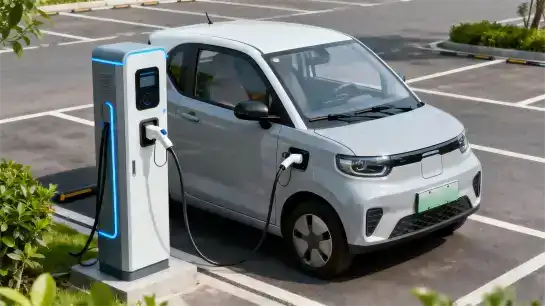
Commercial electric vehicle fleets need a lot of charging stations, which can put a strain on existing power sources. EV adoption can grow in businesses without having to spend a lot of money on expensive electrical upgrades thanks to energy storage options. High voltage and scalability make it possible for fleet charging systems to grow as the number of vehicles increases.
When delivery companies put in EV charging stations for 50 or more cars, they have to deal with a lot of electrical demand. It is possible for storage devices to charge during off-peak hours and quickly charge multiple vehicles at the same time during shift changes. This method lowers the cost of equipment while making sure that the fleet is available when it's needed.
Smart charging algorithms make the best use of energy by distributing it evenly among many cars while keeping the grid connection as efficient as possible. Battery management systems make sure that every car gets enough charging time by coordinating charging schedules for vehicles with storage discharge cycles. This cuts down on peak demand charges. Businesses of all kinds can benefit financially from switching to EV fleets because this method saves money.
Manufacturing Process Power Quality and Efficiency
For manufacturing processes to keep up with product specifications and equipment life, they need reliable, high-quality power. Changes in voltage, frequency, and power delays can hurt delicate equipment and lower the quality of goods. Energy storage systems condition the power, which keeps the electricity supply stable and keeps expensive technology safe.
Extreme power quality standards can be seen in semiconductor fabrication facilities. These places use storage systems with modern separator technology and solid-state parts that give off very clean electricity. The exact electrical properties needed to make chips require very high electrochemical stability and very little harmonic distortion, which is what modern storage systems offer.
Improving process efficiency through energy storage goes beyond improving power quality. Storage helps factories even out how much power they use, which lowers the stress on transformers and makes the whole electrical system work better. These advantages lead to longer machine life, lower maintenance costs, and more reliable production, all of which have a direct effect on profits.
Retail and Commercial Building Energy Optimization
Energy storage is used by shopping malls, office buildings, and retail chains for total energy control that lowers costs and makes the customer experience better. These programs focus on being cost-effective and reliable across a wide range of operating needs.
To get economies of scale, big retail chains use the same storage systems in all of their locations. A national grocery chain might put the same 100kWh systems in more than 500 stores. This would save the company a lot of money on purchases and make upkeep and support easier. Standardization also makes it possible to watch and improve the whole portfolio from one place.
Commercial buildings have a huge chance when it comes to HVAC load control. When electricity rates are high, energy storage systems power air conditioning. This keeps temperatures comfortable while lowering electricity costs. The latest technology in thermal management makes sure that storage systems work well even in tough situations like those found in stores and businesses.
Technology Advantages Driving Commercial Adoption
Modern vertical energy storage devices use cutting-edge technology to get around the problems that batteries have. Many safety issues are taken care of by solid-state battery components, which also offer higher energy density than traditional options. These improvements in technology make business deployment more appealing and less expensive.
Storage systems that can be charged quickly can take advantage of short times of cheap electricity or extra electricity from renewable sources. Modern electrode materials allow for fast charge-discharge cycles that don't hurt safety or cycle life. This adaptability makes the most of chances to capture value while keeping the system reliable over time.
Businesses can add more storage space as their needs change thanks to scalability features. Modular designs allow for small-scale growth without replacing current equipment, which protects initial investments while adapting to new needs. Because they are flexible, storage systems are good for businesses that don't know how much energy they will need in the future or that want to grow.
Conclusion
Vertical energy storage systems transform commercial operations through peak demand management, backup power capabilities, renewable integration, and operational optimization. These advanced solutions deliver measurable cost savings while enhancing business continuity and sustainability goals. As electricity costs rise and grid reliability becomes increasingly important, energy storage represents a strategic investment that provides both immediate benefits and long-term value. Commercial facilities across industries are discovering that modern storage technology offers the flexibility, reliability, and cost efficiency needed to thrive in today's competitive business environment.
FAQ
Q: How long does a commercial energy storage system typically last?
A: Modern commercial energy storage systems like TOPAK's TP-48280V deliver over 6000 charge-discharge cycles at 80% depth of discharge, translating to 15-20 years of reliable service under typical commercial operating conditions. Proper maintenance and optimal operating conditions can extend system life even further.
Q: What safety certifications should commercial storage systems have?
A: Commercial installations require comprehensive safety certifications including IEC62619 for battery system safety, UN38.3 for transportation safety, and MSDS documentation for material safety. These certifications ensure compliance with building codes, insurance requirements, and occupational safety standards.
Q: Can energy storage systems work with existing electrical infrastructure?
A: Yes, properly designed storage systems integrate seamlessly with existing electrical infrastructure through advanced inverter technology and battery management systems. Professional installation ensures compatibility with current electrical panels, transformers, and utility connections while meeting all local electrical codes.
Choose TOPAK as Your Vertical Energy Storage System Manufacturer
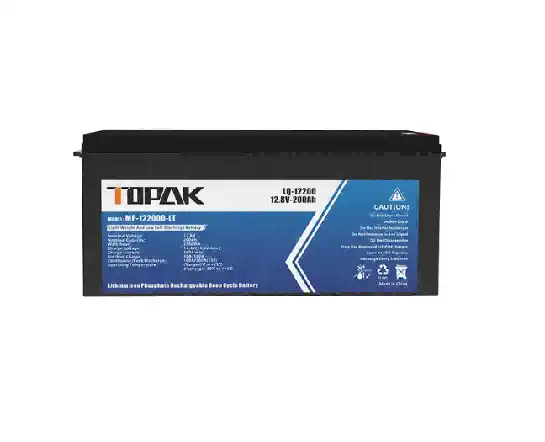
TOPAK delivers industry-leading energy storage solutions designed specifically for demanding commercial applications. Our TP-48280V model features 280Ah capacity, 6000+ cycle life, and advanced safety certifications that ensure reliable performance in critical business environments. With over 15 years of manufacturing experience and global distribution capabilities, we provide the technical expertise and support infrastructure your commercial project requires. Contact us at B2B@topakpower.com to discuss your vertical energy storage system requirements with our engineering team.
References
1. International Energy Agency. "Commercial Buildings Energy Consumption Trends and Storage Integration Opportunities." Energy Efficiency Report, 2023.
2. Ponemon Institute. "Cost of Power Outages for Commercial and Industrial Facilities: Economic Impact Analysis." Business Continuity Research, 2022.
3. Electric Power Research Institute. "Energy Storage Applications in Commercial Buildings: Technical and Economic Assessment." Grid Modernization Initiative, 2023.
4. National Renewable Energy Laboratory. "Commercial Energy Storage System Performance and Economic Analysis." Clean Energy Technologies Program, 2022.
5. IEEE Power and Energy Society. "Advanced Battery Management Systems for Commercial Applications: Safety and Performance Standards." Technical Standards Publication, 2023.
6. Rocky Mountain Institute. "Commercial Energy Storage Market Trends: Adoption Drivers and Technology Developments." Clean Energy Transition Report, 2022.