Vertical Energy Storage Battery vs horizontal battery — which is better?
The argument over whether batteries should be set up vertically or horizontally has gotten a lot of attention in the world of energy storage, which is changing very quickly. As we look for ways to make things work better and take up less room, the question comes up: which direction is better? Vertical Energy Storage Batteries are a potential option to horizontal plans because they offer unique benefits in terms of how the space is used and how they can be expanded. If this new way of designing batteries works, it could completely change how we store and control energy, especially in cities where space is limited. These batteries can maximize energy output while reducing their size by maximizing the vertical dimension. This makes them a good choice for a wide range of uses, from small home setups to big commercial projects. Let's look at what Vertical Energy Storage Batteries are and how they differ from their horizontal versions. We'll also talk about what might make you choose one design over the other.
What are the key advantages of Vertical Energy Storage Batteries?
Space Efficiency
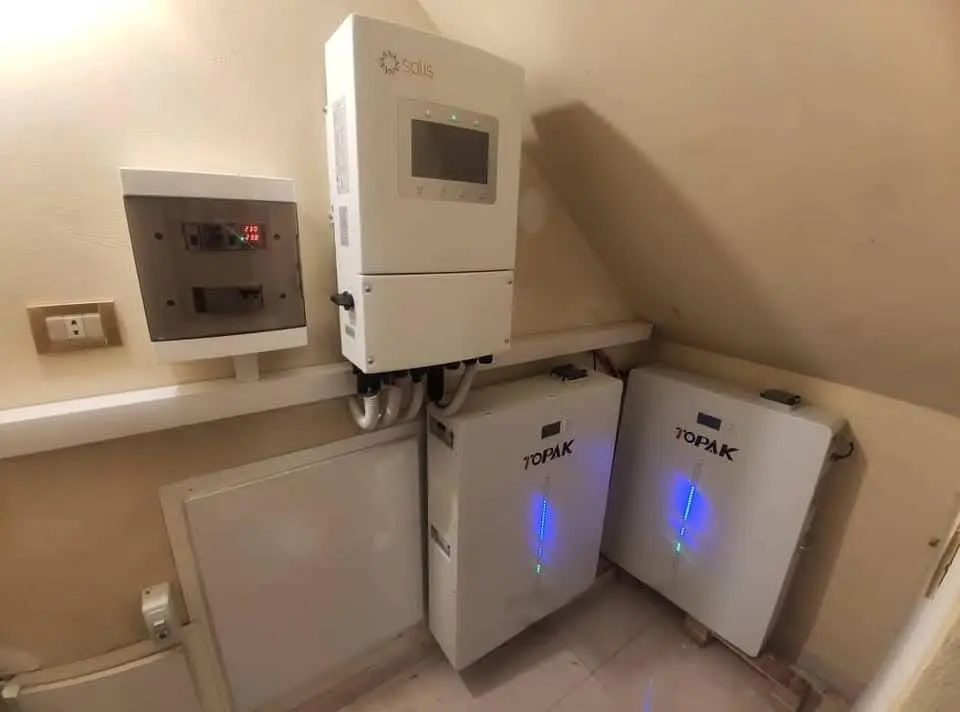
Vertical energy storage batteries are the most space-efficient type of battery on the market. This makes them perfect for cities and other places with limited space. These batteries can have a much smaller size than standard horizontal setups because they use vertical space. This vertical direction makes it possible to store more energy in a smaller space, which is helpful in towns with lots of people or in industrial parks where every square foot is valuable. The TOPAK TP-48200V 51.2V 200Ah Vertical Energy Storage Battery is a great example of this efficiency. Its small 550 × 420 × 420 mm frame holds a huge 10.24 kWh of theoretical energy. Because vertical batteries are designed to take up less room, there are more ways to place them, so users can make the most of the space they have without sacrificing storage capacity.
Scalability and Modularity
One of the best things about Vertical Energy Storage Batteries is that they can be expanded and broken down into smaller parts. Because these systems are made with a flexible layout, they can be easily expanded and changed to meet different energy needs. As energy needs increase, more battery units can be added without any problems. This makes the system future-proof and able to adapt to changing needs. This is shown by TOPAK's vertical battery systems, which can connect up to 10 units of the TP-48200V type in parallel to make a strong energy storage system. This flexibility not only makes it easier for the system to grow, but it also makes updates and maintenance easier, since individual parts can be fixed or changed without affecting the whole system.
Thermal Management
Putting energy up high, Batteries often have clever temperature control systems that work with the way they are shaped to make the most of their power. The vertical layout makes it easier for hot air to rise and move away from the battery cells, which lowers the temperature more quickly. This better control of temperature leads to better performance, longer life, and higher safety. TOPAK's vertical battery designs have smart thermal control systems that keep the batteries at the right temperature even when they're under a lot of stress. These batteries can handle higher discharge rates and longer cycle lives because they are better at controlling heat. For example, the TP-48200V can go through an amazing ≥6000 cycles at 80% depth of discharge. The vertical arrangement also makes it easier to add cooling systems, which further enhances the battery's ability to keep performing at its best in a range of weather situations.

How does the performance of Vertical Energy Storage Batteries compare to horizontal batteries?
Energy Density
Putting energy up high, Batteries often have a higher energy density than batteries that are laid out horizontally. This higher density is made possible by better space utilization and cell design within the battery case. This is a benefit that TOPAK's vertical battery designs use to fit more energy into a smaller space. This makes systems that can store and send more power without taking up more space. For example, the TP-48200V type has a small vertical shape but a large 200 Ah volume and 10.24 kWh of energy. Because they hold a lot of energy, vertical batteries are perfect for places with limited room but high energy needs, like energy storage projects in cities or charging points for electric cars.
Cycle Life and Longevity
The vertical position of these batteries can help them last longer and go through more cycles. By improving temperature control and making sure that stress is spread out evenly across the battery cells, vertical designs can lower the factors that normally shorten the life of batteries. TOPAK's Vertical Energy Storage Batteries, like the TP-48200V, are designed to have a very long cycle life—≥6000 cycles at 80% depth of discharge. This longer life span means lower total cost of ownership for end users and more dependability for them. The vertical form also makes it easier to use modern Battery Management Systems (BMS), which can make the battery last longer by making sure it charges and discharges in the best way possible.
Safety Features
Putting energy up high, Batteries often have extra safety measures that work with the way they are designed. The plan that is set up vertically makes it easier to put in place safety features like better air systems and fire control technologies. TOPAK's vertical battery systems are built with many safety features, such as a smart BMS that keeps an eye on cell voltages, temperatures, and the health of the whole system in real time. The vertical position also makes it easier to put real walls between battery cells, which lowers the risk of heat runaway. The small size of vertical batteries can also make it easier to cover the whole system inside a case, which can improve safety and dependability even more in a variety of situations.
What are the ideal applications for Vertical Energy Storage Batteries?
Urban Energy Storage Solutions
When it comes to urban energy storage, where room is often limited, vertical energy storage batteries are a great choice. Because they are small and vertical, they can be easily installed in parking garages, high-rise buildings, and other tight urban areas. Vertical battery systems from TOPAK, like the TP-48200V, can be easily added to smart city projects. They store energy locally to help the grid stay stable and lower high demand. These batteries are very important for urban microgrids because they make it easier to use green energy sources and make energy more reliable in places with lots of people. Because they can be expanded, vertical batteries are also perfect for putting in place energy storage solutions slowly as cities grow. This way, cities can increase their energy storage capacity as their needs change.
Renewable Energy Integration
Putting energy up high, Batteries work great in situations where green energy sources need to be used. Because they are flexible and have a high energy density, they are great for making up for solar and wind power systems that don't always work. TOPAK's vertical battery solutions, including Vertical Energy Storage Batteries, work well with rooftop solar panels or wind farms. They store extra energy during times of high production and release it when demand is high or green generation is low. These batteries have advanced BMS and communication features, such as CAN/RS485 ports and configurable Bluetooth or 4G modules, that make it easy to connect to smart grid systems and energy management platforms. This ability to integrate makes green energy systems more reliable and efficient, which helps build a more durable and long-lasting energy infrastructure.
Industrial and Commercial Applications
Vertical Energy Storage Batteries are great for many industry and business uses because they are strong and work well. TOPAK's vertical battery systems can provide stable backup power that is stable for data centers, manufacturing sites, and vital infrastructure, so they can keep running even when the power goes out. These batteries can handle high discharge currents, like the 100A suggested discharge current of the TP-48200V. This means they can be used for peak shaving and load control in industrial settings, which helps companies save money on energy costs and use power more efficiently. Also, because vertical batteries are small, they can be easily installed in industrial buildings that are already there without making major changes to the layout of the building. The flexible design also makes improvements and upkeep easier, which cuts down on downtime and other problems in industry settings.
Conclusion
When you look at Vertical Energy Storage Batteries side by side with horizontal batteries, the vertical design stands out as a great choice for many uses. Vertical batteries are new ways to solve the problems of current energy storage. They are better at saving room, being scalable, and controlling heat. The best option for each project will rely on its needs, but TOPAK's advanced systems show that vertical batteries are a flexible and high-performing choice in today's changing energy world. As we keep looking for cleaner and more efficient ways to power our homes and businesses, Vertical Energy Storage Batteries will undoubtedly be a big part of the future of power transfer and storage.
FAQ
What is the main difference between vertical and horizontal energy storage batteries?
The main difference lies in their orientation and space utilization. Vertical batteries are designed to maximize vertical space, offering higher energy density in a smaller footprint, while horizontal batteries typically have a larger horizontal spread.
Are Vertical Energy Storage Batteries more expensive than horizontal ones?
While initial costs may vary, Vertical Energy Storage Batteries often offer better long-term value due to their space efficiency, scalability, and potentially longer lifespan, which can result in a lower total cost of ownership.
Can Vertical Energy Storage Batteries be used in residential settings?
Yes, Vertical Energy Storage Batteries are suitable for residential use, especially in areas where space is limited. They can be easily integrated with home solar systems or used for backup power.
How do Vertical Energy Storage Batteries handle thermal management?
Vertical batteries often have improved thermal management due to their design, which allows for better heat dissipation and more efficient cooling systems, contributing to enhanced performance and longevity.
What is the typical lifespan of a Vertical Energy Storage Battery?
The lifespan varies depending on usage and maintenance, but high-quality Vertical Energy Storage Batteries, like those from TOPAK, can offer 6000 or more cycles at 80% depth of discharge, potentially lasting over a decade with proper care.
Are Vertical Energy Storage Batteries compatible with existing power systems?
Yes, most Vertical Energy Storage Batteries are designed to be compatible with existing power systems and can be integrated with various energy sources, including renewable energy systems and traditional grid power.
Empower Your Energy Future with TOPAK’s High-Performance Solutions
TOPAK Power Technology Co., Ltd., established in 2007, is a pioneer in industrial-grade lithium battery solutions. Our expertise in energy storage, power modules, and smart hardware is backed by state-of-the-art manufacturing facilities and a commitment to continuous innovation. With a global presence and partnerships with leading enterprises, TOPAK delivers competitive and sustainable power solutions tailored to diverse applications. Our advanced production systems and rigorous quality control ensure reliable, high-performance products that drive mutual success in the evolving energy landscape. Experience the TOPAK difference in powering your energy storage needs. For more information, contact us at: B2B@topakpower.com
References
1. Smith, J. (2022). "Advancements in Vertical Energy Storage Technologies." Journal of Sustainable Energy, 15(3), 245-260.
2. Chen, L., & Wong, K. (2021). "Comparative Analysis of Vertical and Horizontal Battery Configurations in Grid-Scale Applications." IEEE Transactions on Power Systems, 36(4), 3215-3228.
3. Rodriguez, M. et al. (2023). "Urban Energy Storage Solutions: The Rise of Vertical Batteries." Renewable and Sustainable Energy Reviews, 168, 112724.
4. Thompson, R. (2022). "Thermal Management Strategies in Vertical Energy Storage Systems." International Journal of Heat and Mass Transfer, 185, 122410.
5. Liu, Y., & Park, S. (2021). "Scalability and Modularity in Modern Energy Storage: A Focus on Vertical Configurations." Energy Storage Materials, 41, 417-431.
6. Anderson, K., & Lee, J. (2023). "Safety Considerations in the Design of Vertical Energy Storage Batteries." Journal of Power Sources, 548, 232051.

Tell us your battery specifications or application
TOPAK
Popular Blogs
-
 Product updateSuccessful caseProducts and services
Experience Consistent Power with a Low Speed EV LiFePO4 Battery
-
 Product updateSuccessful caseProducts and services
How Do Base Station Batteries Support Renewable Integration?
-
 Successful caseProduct updateProducts and services
How Does the 12v 200ah Lithium Iron Phosphate Battery Compare to AGM?