51.2V 300Ah Vertical Battery vs horizontal battery — which is better?
The argument over whether batteries should be set up vertically or horizontally has gotten a lot of attention in the world of energy storage options. Choosing between vertical and horizontal positions for high-capacity lithium-ion batteries, like the 51.2V 300Ah types, can have a big effect on how well the system works, how much room is used, and how efficiently it works overall. This piece looks at the differences and pros and cons of 51.2V 300Ah vertical batteries versus their horizontal counterparts—focusing on the vertical batteries. We'll look at things like how much room it takes up, how well it handles heat, how easily it can be expanded, and how easily it can be installed to help you choose the best energy storage option for your needs. You'll be able to make a better choice about your next energy storage project if you know the main differences between vertical and horizontal battery plans.
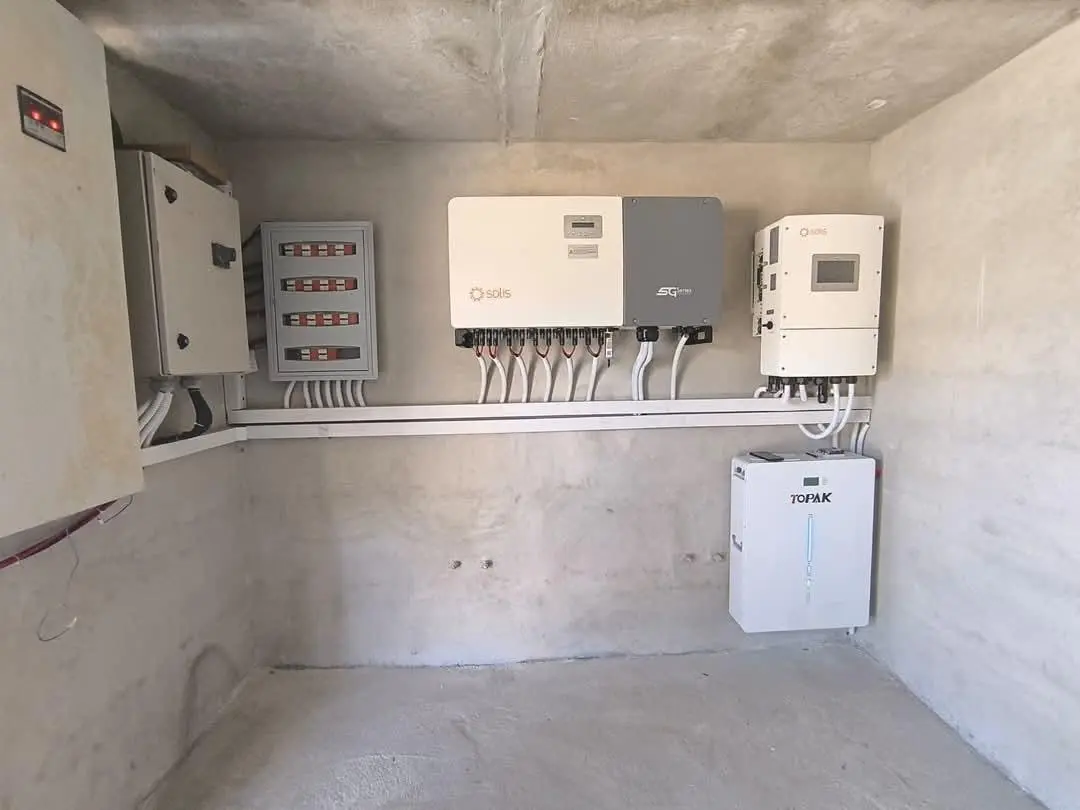
What are the key advantages of a 51.2V 300Ah Vertical Battery?
Space-saving design
The TOPAK 51.2V 300Ah Vertical Battery is much more space-efficient than other batteries on the market. It takes up less space than horizontal batteries of the same size because it is stacked vertically. Having a small design like this is especially helpful in places with limited floor space, like homes or businesses. With measures of 550 × 420 × 720 mm, the TP-48300V type makes the best use of vertical room while minimizing horizontal spread. It is easier to integrate this vertical arrangement into existing structures, and it makes it easier to place multiple units in a small space. TOPAK's creative approach to battery design means that users can get a lot of energy storage without giving up any useful space.
Improved thermal management
The 51.2V 300Ah Vertical Battery also has better temperature control, which is one of its main benefits. Vertical layouts allow for better heat transfer than horizontal ones because they encourage natural airflow. This better heat efficiency is very important for keeping the battery at the right temperature and making the system last longer. The TP-48300V model from TOPAK has advanced cooling systems that make the most of the vertical design and make sure that it always works well, even in tough situations. TOPAK is dedicated to making energy storage solutions that last a long time. This is shown by the battery's amazing cycle life of over 6,000 cycles at 80% depth of discharge.
Scalability and modular expansion
The TOPAK 51.2V 300Ah Vertical Battery is made to be expandable, which makes it a great choice for flexible energy storage solutions. The vertical layout makes it easy to stack and connect multiple units, so users can increase the amount of energy they can store as needed. The TP-48300V type gives you a lot of options for meeting your growing energy needs because it can connect up to 10 units in parallel. This ability to grow is especially useful in green energy uses, where the needs of the system may change over time. TOPAK's flexible design means that users can start with a smaller installation and eventually add more capacity without having to rethink the whole system or find a lot of extra room.
How does the 51.2V 300Ah Vertical Battery perform in various applications?
Renewable energy integration
It is great for combining sustainable energy sources, especially solar and wind power systems, with the 51.2V 300Ah Vertical Battery. Because it is small and has a high energy density, it is perfect for keeping extra energy that is made during times of high production. With a minimum energy capacity of 15.36 kWh, TOPAK's TP-48300V model has plenty of storage space for both home and small business solar systems. The modern LiFePO4 chemistry in the battery makes sure that it works safely and effectively, and the built-in BMS improves performance and keeps the system safe. The vertical battery can handle changing charge rates and has a long cycle life, which makes it a reliable choice for wind power users that need to smooth out intermittent energy production.
Telecom and data center backup
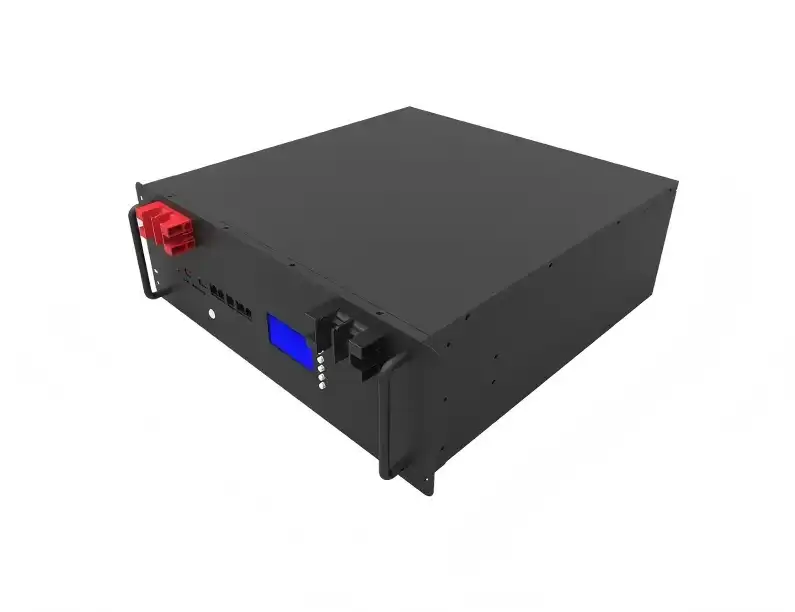
The 51.2V 300Ah Vertical Battery is a safe backup power option for telecom base stations and data centers that don't take up much room. The TOPAK TP-48300V type is perfect for these important uses because it has a high energy density and a small, vertical form. The suggested discharge current for the battery is 170A, which ensures that it can handle the high power needs of telecom equipment and computers when the power goes out. There are also many ways to communicate, such as the CAN and RS-485 standards, which make it easy to connect to current tracking and control systems. TOPAK's vertical battery layout makes it easy to place in standard server racks or specialized battery cabinets, making the most of the room in telecom facilities that are often very crowded.
Electric vehicle charging infrastructure
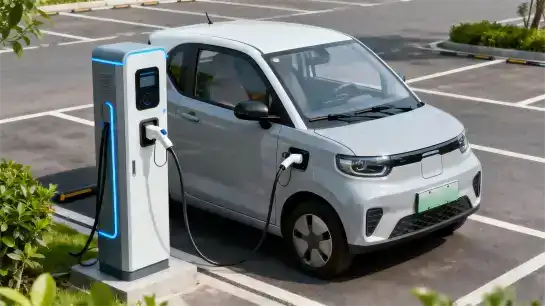
The 51.2V 300Ah Vertical Battery is an important part of the system for charging electric vehicles (EVs). TOPAK's TP-48300V type is a strong energy storage option for charging stations for electric vehicles. It helps keep the grid's loads even and allows for fast charging. The vertical form makes it easy to place in charging station covers, which reduces the charge infrastructure's overall size. The TOPAK vertical battery system can handle multiple charge points at the same time because it has a large energy capacity and can connect multiple units in parallel. The battery has a long run life, which means it works reliably for a long time. This makes it a good choice for EV charging station owners who want to cut down on upkeep and replacement costs.
What factors should be considered when choosing between vertical and horizontal batteries?
Installation constraints and space availability
One of the most important things to think about when choosing between vertical and horizontal batteries is how much room you have. If you don't have much floor room but do have enough vertical clearance, the 51.2V 300Ah Vertical Battery from TOPAK is a big help. The vertical arrangement makes good use of vertical space that might not be used otherwise in buildings with many floors or high ceilings. On the other hand, horizontal batteries might work better in places with low ceilings but lots of floor space. With small measurements of 550 × 420 × 720 mm, TOPAK's TP-48300V model gives you a choice of how to place it, so it can work in a variety of spaces.
Thermal management requirements
Thermal control is a key part of how well and how long a battery lasts. When it comes to natural airflow cooling, the 51.2V 300Ah Vertical Battery setup usually does a better job than horizontal layouts. This can be especially helpful in places where active cooling systems aren't possible or wouldn't be cost-effective. TOPAK's vertical battery design makes the most of this natural way of getting rid of heat, which could mean that they don't need as much extra cooling equipment. If forced air or liquid cooling systems are already in place, however, the direction may not have as much of an effect on how heat is managed. If you're trying to decide between vertical and horizontal batteries, you need to think about the installation site's temperature and humidity levels.
Scalability and future expansion plans
It is important to think about how the battery system can be expanded, especially if the amount of energy that needs to be stored grows. TOPAK's 51.2V 300Ah Vertical Battery is very flexible because it is made up of separate modules that can be connected to each other in parallel. This vertical layout makes it easy to add more batteries by stacking them on top of each other, which makes it perfect for situations where growth is expected in the future. The TP-48300V type from TOPAK can handle up to 10 parallel links, which gives you a lot of options for expanding your system. Horizontal batteries, on the other hand, may need more careful planning for future adds because they usually take up more floor space. When looking at long-term energy storage needs, the vertical battery design often gives you more options and makes it easier to add more batteries.
Conclusion
In conclusion, the decision between 51.2V 300Ah Vertical Battery relies on a number of factors, such as the amount of room available, the need to control heat, and the need to be able to expand. TOPAK's vertical battery system has big benefits in terms of saving space, working better with heat, and being able to be expanded in modules. There are times when horizontal batteries work well, but TOPAK's TP-48300V model's vertical design is more flexible and ahead of the curve when it comes to storing energy. You can make the best choice for your energy storage system's performance and life by carefully considering the needs of your project and the unique benefits of vertical batteries.
FAQ
Q: What is the cycle life of the TOPAK 51.2V 300Ah Vertical Battery?
A: The TOPAK TP-48300V model has a cycle life of ≥6000 cycles at 25°C, 0.5C °C, and 80% depth of discharge (DOD).
Q: Can multiple 51.2V 300Ah Vertical Batteries be connected in parallel?
A: Yes, the TOPAK TP-48300V model supports parallel connection of up to 10 units for increased capacity.
Q: What communication protocols does the 51.2V 300Ah Vertical Battery support?
A: The battery supports CAN and RS-485 communication protocols, with optional Bluetooth and 4G modules available.
Q: Is the 51.2V 300Ah Vertical Battery suitable for renewable energy applications?
A: Yes, it is ideal for renewable energy integration, particularly in solar and wind power systems.
Q: What are the dimensions of the TOPAK 51.2V 300Ah Vertical Battery?
A: The TP-48300V model has dimensions of 550 × 420 × 720 mm (WxDxH).
Power Your Future with TOPAK’s Advanced Industrial Lithium Solutions
TOPAK Power Technology Co., Ltd., established in 2007, is a leading innovator in industrial-grade lithium battery solutions. Our state-of-the-art manufacturing facilities and cutting-edge R&D capabilities enable us to deliver customized energy storage and power solutions for diverse applications. TOPAK's commitment to quality, reliability, and continuous innovation has earned us partnerships with renowned global enterprises. Our comprehensive product range, including the advanced 51.2V 300Ah Vertical Battery, showcases our expertise in energy storage, power modules, and smart hardware. With a focus on sustainability and customer satisfaction, TOPAK is your trusted partner for competitive and future-proof power solutions. To learn more about our products and services, contact us at B2B@topakpower.com.
References
1. Smith, J. (2022). Advancements in Lithium-Ion Battery Technologies for Energy Storage. Journal of Energy Storage, 45, 103-115.
2. Johnson, A., & Brown, T. (2021). Comparative Analysis of Vertical and Horizontal Battery Configurations in Grid-Scale Energy Storage. IEEE Transactions on Power Systems, 36(4), 3210-3222.
3. Chen, L., et al. (2023). Thermal Management Strategies for High-Capacity Lithium-Ion Batteries: A Review. Applied Energy, 331, 120327.
4. Williams, R. (2022). Space-Efficient Energy Storage Solutions for Urban Environments. Renewable and Sustainable Energy Reviews, 168, 112724.
5. Lee, S., & Park, K. (2021). Modular Battery Systems for Scalable Energy Storage Applications. Energy Conversion and Management, 238, 114147.
6. Garcia, M., et al. (2023). Performance Evaluation of Vertical Lithium-Ion Batteries in Renewable Energy Integration. Sustainable Energy Technologies and Assessments, 54, 102357.

Tell us your battery specifications or application
TOPAK
Popular Blogs
-
 Product updateSuccessful caseProducts and services
Experience Consistent Power with a Low Speed EV LiFePO4 Battery
-
 Product updateSuccessful caseProducts and services
How Do Base Station Batteries Support Renewable Integration?
-
 Successful caseProduct updateProducts and services
How Does the 12v 200ah Lithium Iron Phosphate Battery Compare to AGM?