Compact Rack Mount Battery Backup UPS – Maximize Uptime
Nowadays, businesses are mostly digital, so having a reliable battery backup rack mount system is important for keeping the power on all the time. This is true for all kinds of businesses. Compact rack mount battery backup UPS options keep operations running smoothly by protecting important data and making sure that business stability doesn't break down. Power security systems that take up little space work very well and don't take up much room in server rooms, data centers, and factories. This makes them essential for modern business infrastructure.
Understanding Compact Rack Mount Battery Backup UPS
Compact rack-mount battery backup systems are a high-tech way to protect power because they use advanced lithium battery technology and can monitor things intelligently. These units fit perfectly into normal 19-inch computer racks and provide clean, conditioned power when the power goes out or the voltage changes.
Core Components and Technology
High-performance lithium iron phosphate (LiFePO4) batteries are used in modern rack-mount UPS systems. These batteries have a higher energy density than standard lead-acid batteries. An integrated Battery Management System (BMS) keeps an eye on the voltage, temperature, and state of charge of each cell all the time to make sure the battery works at its best and lasts as long as possible. Advanced power conversion circuits make sure that moving between grid power and battery power is smooth, so important loads don't lose power.
Space Efficiency and Scalability
With its small size, the compact form factor solves the problem of limited room in data centers while still providing strong backup power. Most of the time, these devices take up between 1U and 3U of rack room, which lets companies get the most out of their infrastructure density. Adding parallel units to modular designs makes it easy to increase capacity, giving businesses power options that can grow as their needs do.
Communication and Monitoring Features
Modern rack-mounted battery devices use complex transmission methods, such as RS485 and CAN bus connections. Connectivity units like Bluetooth and 4G can be added as options to allow online tracking and management. This lets IT teams keep an eye on the state of the system, the health of the batteries, and power usage measures from a central management platform.
Choosing the Right Battery Backup Rack Mount UPS – A Decision Support Approach
To choose the right rack mount UPS, you need to carefully think about your power needs, runtime requirements, and the operating environment. As part of the decision-making process, present load needs are looked at along with predictions for future growth.
Capacity Planning and Runtime Analysis
To get the right size, you should first do a full power check of all the connected devices. Key factors include the overall amount of power used, the features of the inrush current, and the length of time you want the backup to last. Depending on the availability of generators and the steps needed to shut down non-critical systems, organizations usually need anywhere from 15 minutes to several hours of runtime.
Environmental and Application Considerations
For different uses, different efficiency qualities are needed. Long runtimes are needed for telecommunications infrastructure, while high power density and easy connection with current cooling systems are top priorities for data centers. Extreme temperatures, vibrations, and electromagnetic pollution may need more safety in industrial settings.
Advanced Feature Requirements
Modern rack-mount systems have advanced features that make them more reliable in use. Automatic voltage regulation (AVR) keeps sensitive electronics safe from bad power quality without having to switch to battery backup rack mount power. Hot-swappable batteries let repair be done without shutting down the system, and predictive analytics help figure out when parts need to be replaced before they break.
Installation and Maintenance – Ensuring Long-Term Performance
System dependability and operating lives are directly affected by how well it is installed and maintained. Following set processes reduces the chance of surprise breakdowns and ensures peak efficiency.
Pre-Installation Planning and Preparation
A full site and equipment survey is the first step to a successful rollout. Some important things to think about are making sure there is enough air flow to get rid of heat, using the right wiring systems, and making sure there is enough space for repair access. The system's electrical infrastructure must be able to handle the full load, which includes charging needs and any extra cooling needs.
Installation Best Practices
For a professional installation, you need to pay close attention to the fitting instructions, how the cables are managed, and how the system is turned on. Using the right torque specs for rack mounting hardware keeps the hardware from breaking, and organizing the cables makes upkeep easier in the future. The first testing of the system makes sure it works right under different loads and that it can talk to tracking systems.
Preventive Maintenance Protocols
Regular repair keeps systems reliable and increases their useful life. As part of routine jobs, people look for signs of rust or damage, make sure connections are tight, and check that the cooling system works. Testing the performance of a battery finds cells that need to be replaced before they affect the system's total capacity. The repair plan should include eye checks every month, efficiency tests every three months, and a full system review every year. Keeping track of all repair tasks creates useful data that helps figure out when services will be needed again and how to best plan replacements.
Market Insights and Brand Overview – Finding Trusted Suppliers
There are a number of well-known companies in the UPS market, and each one has its own benefits when it comes to technology, dependability, and customer service. Knowing the strengths and weaknesses of each seller helps buying teams make smart choices based on the needs of their operations.
Leading Manufacturer Analysis
In the business UPS market, well-known names with long histories and large service networks like APC, Eaton, and Vertiv are the leaders. Most of the time, these companies make a wide range of products with designs that are tailored to specific uses and power levels. Their systems often come with their own management tools and the ability to work with well-known data center infrastructure management (DCIM) platforms.
Emerging Technology Providers
Newer companies focus on improved lithium battery technology, battery backup rack mount, and new BMS designs that make the batteries work better. These makers often offer more customization options and cheap pricing, which makes them good choices for businesses that have special technology needs or limited budgets.
Evaluation Criteria for Supplier Selection
When evaluating a vendor, you should look at more than just the initial buy price. Important things to think about are the guarantee terms, the availability of expert help, the ease of getting new parts, and the long-term security of the business. When it comes to mission-critical applications, where long periods of downtime can have a big effect on business, local service skills and reaction times become very essential.
TOPAK's Advanced Rack Mount Energy Storage Solutions
The people at TOPAK New Energy Technology have been making industrial-grade lithium battery packs for mission-critical uses for more than 16 years. Our all-around method blends cutting-edge battery technology with strong technical support to provide dependable power options for a wide range of business needs.
TP-48100R Rack Mount Battery System Specifications
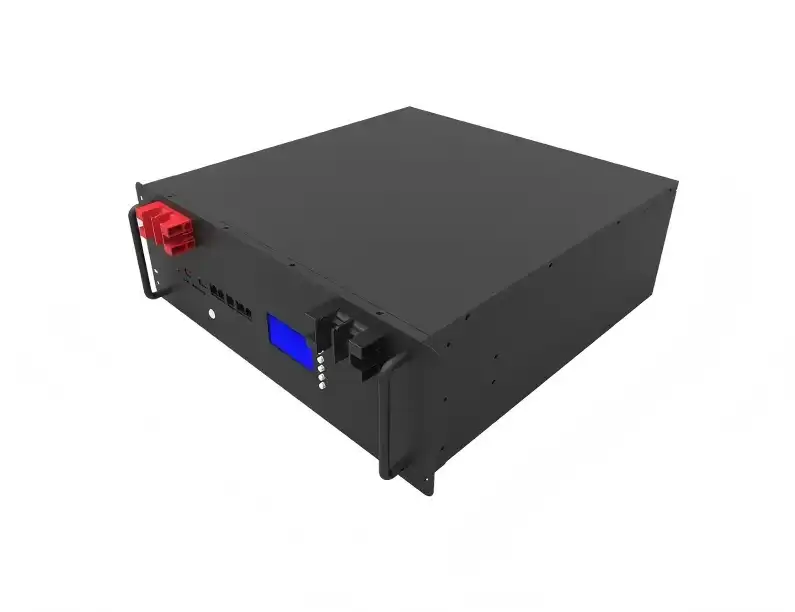
Our top-of-the-line TP-48100R model is an example of modern rack mount battery technology. It has a 51.2V 100Ah design that works best in data centers, telecommunications, and industrial settings. The 16S1P module design can work with up to 15 units in parallel, which lets power options range from 5.12kWh to 76.8kWh in capacity. One of the most important technical specs is that it can discharge and charge at a maximum of 100A continuously. This makes sure that it can respond quickly to changes in load and recharge efficiently. The system works for 6,000 cycles at 80% depth of discharge, which is a very long time and a big savings compared to other battery technologies in terms of total cost of ownership.
Communication and Integration Capabilities
CAN bus and RS485 ports are examples of advanced communication features that make it easy to connect to current tracking systems. Remote tracking and troubleshooting are possible with optional Bluetooth and 4G units. This lets building managers keep an eye on how the system is running and get tips for planned maintenance from anywhere.
Quality Assurance and Certification
Our manufacturing methods include a lot of quality control steps that are backed up by international certifications like IEC62619, UN38.3, and MSDS compliance. These approvals make sure that the battery backup rack mount product is safe, reliable, and in line with regulations so that it can be used around the world in a wide range of market areas. The small size (430 x 442 x 177 mm) and light weight (about 48 kg) make it the best choice for balancing energy efficiency and ease of installation. Professional mounting tools and clear installation instructions make setting up in standard 19-inch computer racks easy.
Conclusion
In a world that is becoming more and more linked, small battery backup rack mount systems are important infrastructure parts for keeping businesses running. Modern data centers, internet facilities, and industrial operations have changing needs that can be met by smart management systems, space-saving designs, and improved lithium battery technology. Careful review of power needs, provider skills, and long-term support issues ensures the best system pick that provides stable performance over long operating lifetimes.
FAQ
How do I determine the appropriate battery backup capacity for my rack mount system?
Capacity planning requires analyzing total connected load, desired runtime, and future expansion plans. Calculate the sum of all critical equipment power consumption, then multiply by the desired backup duration. Include a 20-25% safety margin to account for battery aging and unexpected load increases. Consider that lithium systems maintain consistent voltage throughout discharge cycles, providing more usable capacity compared to lead-acid alternatives.
What maintenance frequency is recommended for rack mount lithium battery systems?
Lithium battery systems require significantly less maintenance than traditional technologies. Monthly visual inspections verify proper operation and identify any obvious issues. Quarterly performance checks should include capacity testing and communication system verification. Annual comprehensive evaluations assess overall system health and help plan component replacement schedules. Most lithium systems operate effectively for 6-10 years with minimal intervention.
Can rack mount battery systems integrate with existing monitoring infrastructure?
Modern rack mount battery systems offer multiple communication protocols, including SNMP, Modbus, and proprietary interfaces. Most units support integration with popular network monitoring systems, building management platforms, and data center infrastructure management (DCIM) software. Custom integration capabilities ensure compatibility with specialized monitoring requirements and legacy systems.
Partner with TOPAK for Reliable Battery Backup Rack Mount Solutions
TOPAK's extensive experience as a trusted battery backup rack mount manufacturer positions us as your ideal partner for mission-critical power protection requirements. Our in-house BMS technology, automated production capabilities, and global distribution network ensure consistent product quality and responsive technical support. Whether you need standard configurations or fully customized solutions, our engineering team works closely with clients to develop optimal power protection strategies that maximize uptime and minimize operational costs. Contact our team at B2B@topakpower.com to discuss your specific requirements and discover how our advanced lithium battery systems can enhance your infrastructure reliability.
References
1. "Uninterruptible Power Supply Systems: Design and Implementation Guidelines for Critical Infrastructure Applications" - Institute of Electrical and Electronics Engineers Standards Publication, 2023
2. "Lithium Battery Technology in Data Center Applications: Performance Analysis and Operational Benefits" - International Journal of Energy Storage Systems, Volume 45, 2023
3. "Rack Mount Power Protection Systems: Space Optimization and Reliability Engineering" - Data Center Infrastructure Management Quarterly, Issue 3, 2023
4. "Battery Management Systems for Industrial Energy Storage: Safety and Performance Optimization" - IEEE Transactions on Industrial Electronics, Volume 71, 2023
5. "Telecommunications Power Infrastructure: Backup Systems and Network Reliability Standards" - Telecommunications Industry Association Technical Report, 2023
6. "Total Cost of Ownership Analysis for UPS Battery Technologies in Mission-Critical Applications" - Critical Power Systems Research Foundation, 2023

Tell us your battery specifications or application

TOPAK
Popular Blogs
-
 Product updateSuccessful caseProducts and services
Experience Consistent Power with a Low Speed EV LiFePO4 Battery
-
 Product updateSuccessful caseProducts and services
How Do Base Station Batteries Support Renewable Integration?
-
 Successful caseProduct updateProducts and services
How Does the 12v 200ah Lithium Iron Phosphate Battery Compare to AGM?