Can C&I Energy Storage Reduce Your Carbon Footprint?
Yes, c&i energy storage can help you leave a smaller carbon footprint by making it easier to control your energy, integrating green energy, and lowering your reliance on grid electricity driven by fossil fuels during times of high demand. Businesses can change how they use energy, store clean energy for later use, and improve their total energy economy with the help of commercial and industrial energy storage systems. This leads to measured drops in greenhouse gas emissions and operating costs.
Understanding C&I Energy Storage and Its Environmental Impact
Commercial and industrial energy storage systems change the way companies handle their environmental duties and energy use in basic ways. These strong systems can handle hundreds of kilowatt-hours, which is much more than what most home systems can handle (10 to 20 kWh). They can meet the complex energy needs of factories, data centers, and big businesses.
Advanced Technology Integration for Sustainable Operations
Modern c&i energy storage systems use advanced lithium-ion battery technologies that work with power grids that are already in place. Advanced Battery Management Systems (BMS) in these systems let you precisely control energy. These BMS keep an eye on performance, find the best charging cycles, and make sure safe operation in a range of weather conditions. Integration options go beyond just storing energy; they also include working with the smart grid, coordinating green energy, and responding to real-time demand.
Load Shifting and Peak Demand Management
Load moving is a great way to use energy storage systems because they can move electricity use from times of high demand to times of low demand, when grid electricity is better and cheaper. During times of high demand, utilities often depend on peaker plants that produce a lot of carbon and can quickly increase production. Businesses can directly lower their carbon impact by saving energy during times of low demand and releasing it during times of high demand. This makes them less reliant on these high-emission sources.
Key Advantages of C&I Energy Storage for Carbon Footprint Reduction
Commercial energy storage systems have many benefits for the economy and the environment that go beyond just lowering the cost of power. These benefits make it a strong business case for companies that want to be environmentally friendly and still run efficiently.
Enhanced Energy Efficiency and Grid Independence
Here are the core environmental advantages of implementing commercial energy storage systems:
• Peak Load Management: Systems reduce strain on the electrical grid during high-demand periods, decreasing reliance on carbon-intensive peaker plants and improving overall grid efficiency by up to 15-20%.
• Renewable Energy Integration: Storage enables businesses to capture and utilize solar and wind energy when production exceeds immediate consumption, maximizing clean energy utilization and reducing grid dependency.
• Demand Charge Reduction: Advanced energy management reduces peak demand charges by smoothing consumption patterns, which indirectly supports grid stability and reduces infrastructure strain.
• Backup Power Efficiency: Modern systems provide clean backup power without diesel generators, eliminating direct emissions during outages while maintaining critical operations.
These advantages collectively contribute to substantial carbon footprint reductions while providing measurable economic returns through reduced energy costs and improved operational resilience.
Financial Benefits Supporting Sustainability Goals
Investing in c&i energy storage brings in a lot of money that helps long-term environmental efforts. Savings on demand charges alone can cut energy costs by 20 to 40 percent for buildings whose load patterns change. Businesses can also make money off of their storage space by taking part in grid services programs, which also help keep the grid stable and integrate green energy.
Comparing C&I Energy Storage Solutions: Finding the Best Fit for Your Business
To choose the right energy storage technology, you need to carefully think about how much space you need, how you want to use it, and your environmental goals. There are a lot of different options on the market for business energy storage that can be adjusted to the needs of each company and its environmental goals.
Technology Comparison and Performance Metrics
Commercial lithium-ion systems are the most popular because they have a lot of energy in a small space, respond quickly, and are getting cheaper. Most of the time, these systems get 85–95% round-trip efficiency, which means they lose very little energy when they charge and discharge. Modern systems can produce up to 32KW of AC power with a range of voltage options, which makes them useful for a wide range of business uses, from industrial tools to data center operations.
System Capacity and Integration Capabilities
Modern business devices can store a lot of energy; some setups can hit 64.3KWh by using several high-capacity lithium-ion batteries. These systems can handle a lot of solar integration; they can take in up to 46.2 kW of solar power and have open-circuit voltages that can hit 1500V. This adaptability makes it possible to work with big solar panels, which increases the amount of green energy that can be collected and used.
Environmental Performance Across Operating Conditions
Commercial energy storage systems are very good at adapting to different temperatures, working well in conditions ranging from -20°C to 60°C. This operating freedom makes sure that the system works the same way in a wide range of temperatures and industrial settings, so the benefits of reducing carbon emissions stay the same no matter what the outside conditions are. Multiple MPPT channels improve the collection of solar energy with voltage ranges of 125V to 425V, providing the highest level of clean energy capture in all kinds of weather.
Practical Procurement Strategies for C&I Energy Storage Systems
To make business energy storage work, you need to plan your purchases in a way that fits with your company's environmental goals and operational needs. Knowing about financial choices, provider skills, and service models is important for choosing the right system and making sure it works well.
Financing Structures and Cost Optimization
Buying commercial energy storage requires a number of different funding options that can be adjusted to meet the needs of different businesses and budgets. Purchase agreements give you full control and the most long-term savings, while lease agreements take less money up front and include upkeep services. Businesses can get the benefits of storage without having to spend money on equipment; instead, they only pay for the energy services they use.
Vendor Selection and Technical Support
Working with well-known makers guarantees access to tried-and-true technology and dependable expert help. Companies that have been around for a long time, like those that have been around since 2007, offer developed goods that have been tested extensively and have real-world usage data to back them up. Our in-house BMS development skills give us better safety features and system compatibility, and our automatic production lines make sure that the quality is always the same and that we can meet our delivery dates.
Installation and Maintenance Considerations
Professional installation services make sure that the system works well and follows all safety rules. Regular performance tracking, preventative maintenance, and system tuning are all part of ongoing maintenance programs that make systems last longer and reduce carbon emissions. Transparent lead time management helps make sure that buying plans are in line with project timelines. This keeps implementation delays to a minimum and speeds up the benefits of sustainability.
Real-World Use Cases Demonstrating Carbon Footprint Reduction through C&I Energy Storage
The real-world uses of industrial c&i energy storage systems in many different fields show that they have measurable effects on the environment and the economy. These cases give real-world information that can help with planning for sustainability and making business decisions.
Manufacturing Sector Implementation
A company that makes car parts put in a 500-kWh energy storage system with solar panels on the roof. This cut their main power use by 35% during peak hours. The method allowed the factory to store extra energy from the sun during the day and release it during evening work shifts. This cut carbon emissions by about 150 tons CO2 per year and saved $75,000 in energy costs.
Retail and Distribution Centers
Energy storage systems have been used successfully in large retail distribution centers to control the loads on cooling units and material handling equipment. One application with multiple MPPT lines and smart energy management cut peak demand by 40% while keeping cold storage temperatures at important levels even when the power went out. The system could work in a wide range of temperatures, so it would keep working well even when the weather changed. This helped reduce carbon emissions all year long.
Data Center and Telecommunications
In order to reach their carbon balance goals, telecommunications companies need stable backup power. Traditional gasoline engines are being replaced by energy storage systems, which eliminate direct pollution and improve response times and operating flexibility. These systems can take part in grid services programs because they have advanced EMS capabilities. This lets them make extra money and helps the wider electricity grid integrate green energy.
TOPAK's Advanced C&I Energy Storage Solutions for Sustainable Operations
TOPAK New Energy Technology Co., Ltd. is a leader in the field of c&i energy storage and has been providing industrial-grade lithium battery solutions for over 15 years. Since its founding in 2007, our company has created complete energy storage systems made for business and industry settings that need steady performance and a clear decrease in their carbon footprint.
Comprehensive Product Portfolio and Technical Capabilities
Our high-tech energy storage systems combine cutting-edge technology with useful business uses. Up to 46.2 kW of solar input and a maximum open-circuit voltage of 1500V are supported by the top system, which makes it easy to connect to big photovoltaic panels. With four 51.2V 314Ah lithium-ion batteries that can store 64.3KWh of energy, these units provide stable energy storage for a wide range of commercial uses.The system can produce up to 32KW of AC power and works with a wide range of voltages (220VAC to 230VAC), so it can meet the needs of a wide range of business and industrial equipment. With a voltage range of 125V to 425V and a maximum current of 26A per MPPT channel, the six MPPT channels make solar energy gathering work best in a variety of working situations.
Global Distribution and Technical Support
Our world shipping network includes more than 15 countries, so we can help clients in their own languages and get their orders to them quickly. When we create our own BMS, we have full control over safety features, performance optimization, and system compatibility. This means that our systems are more reliable than those that use management technologies from a third party. Large-scale automatic production lines keep quality uniform while allowing prices to stay low and shipping times to be kept on time.Our 25,000 factory in Dalang TOPAK Industrial Park shows that we care about quality and size, and it can accommodate a wide range of customization needs, such as voltage, capacity, structure, and BMS features that are suited to specific working needs.
Conclusion
Commercial and industrial energy storage systems have been shown to help reduce carbon emissions and provide major operating and economic benefits. These systems help businesses cut greenhouse gas pollution by 20 to 40 percent while saving the same amount of money on energy costs. They do this by load moving, integrating renewable energy, and managing peak demand. c&i energy storage is a useful and successful way to invest in sustainability because the technology is well-established, prices are going down, and performance measures are getting better.Energy storage systems are necessary for organizations that want to be carbon neutral so they can get the most out of green energy and depend less on the grid. Commercial energy storage is an important tool for sustainable business operations because it helps the environment, makes money, and can be used in a variety of situations.
FAQ
How quickly can C&I energy storage systems achieve carbon payback?
Most commercial energy storage systems achieve carbon payback within 2-4 years of operation, depending on the local electricity grid's carbon intensity and the system's renewable energy integration. Systems with substantial solar integration typically reach carbon neutrality faster due to increased clean energy utilization.
What factors influence the carbon reduction potential of energy storage systems?
Carbon reduction potential depends on several key factors including local grid carbon intensity, renewable energy integration levels, load shifting capabilities, and system efficiency. Regions with high fossil fuel dependence during peak hours typically see greater carbon reduction benefits from energy storage deployment.
How do C&I energy storage systems support corporate sustainability commitments?
Energy storage systems support sustainability goals through measurable emissions reductions, renewable energy integration, and grid services participation. These systems provide quantifiable environmental benefits that support ESG reporting, carbon accounting, and net-zero commitments while generating economic returns that justify continued sustainability investments.
Partner with TOPAK for Advanced C&I Energy Storage Solutions
TOPAK's proven c&i energy storage systems deliver measurable carbon footprint reduction combined with superior operational reliability and economic performance. Our comprehensive solutions, backed by over 15 years of industry expertise and global distribution capabilities, enable businesses to achieve sustainability goals while optimizing energy costs and operational efficiency. As a trusted c&i energy storage supplier, we provide customized systems featuring advanced BMS technology, flexible solar integration, and robust technical support designed to meet diverse industrial requirements.Contact our team at B2B@topakpower.com to explore how our innovative energy storage solutions can transform your organization's carbon footprint while delivering lasting operational and financial benefits through proven technology and dedicated partnership.
References
1. International Energy Agency. "Commercial and Industrial Energy Storage Market Analysis and Carbon Impact Assessment." Energy Storage Technology Roadmap, 2024.
2. National Renewable Energy Laboratory. "Grid-Scale Energy Storage Systems and Carbon Footprint Reduction in Commercial Applications." Technical Report Series, 2024.
3. Bloomberg New Energy Finance. "Commercial Energy Storage Deployment and Environmental Impact Study." Market Research Report, 2024.
4. U.S. Environmental Protection Agency. "Industrial Energy Storage Systems and Greenhouse Gas Emission Reduction Strategies." Climate Change and Energy Program, 2024.
5. McKinsey & Company. "The Role of Energy Storage in Corporate Decarbonization Strategies." Sustainability Practice Research, 2024.
6. Rocky Mountain Institute. "Commercial Energy Storage Business Case and Carbon Reduction Analysis." Clean Energy Innovation Report, 2024.

Tell us your battery specifications or application
TOPAK
Popular Blogs
-
 Product updateSuccessful caseProducts and services
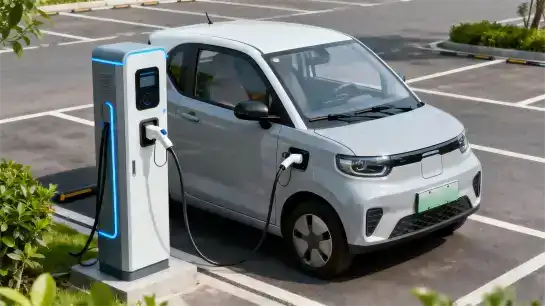
Experience Consistent Power with a Low Speed EV LiFePO4 Battery
-
 Product updateSuccessful caseProducts and services
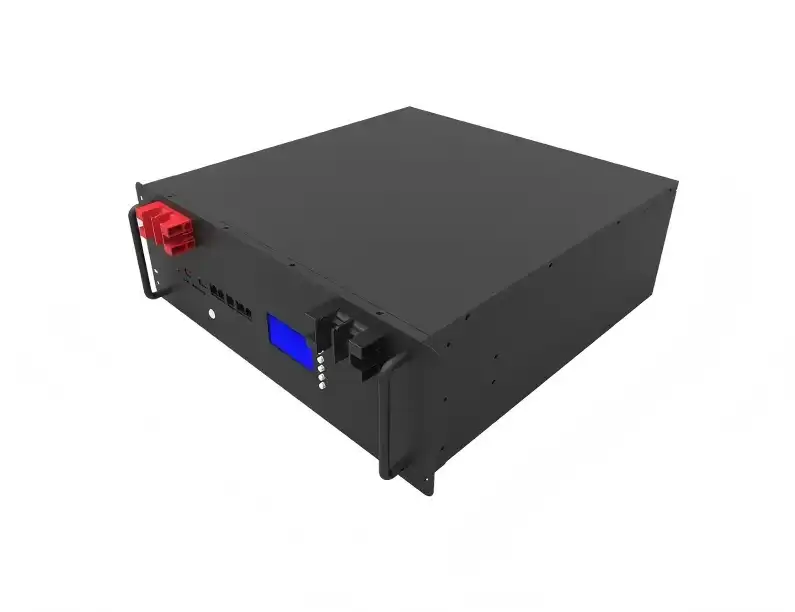
How Do Base Station Batteries Support Renewable Integration?
-
 Successful caseProduct updateProducts and services
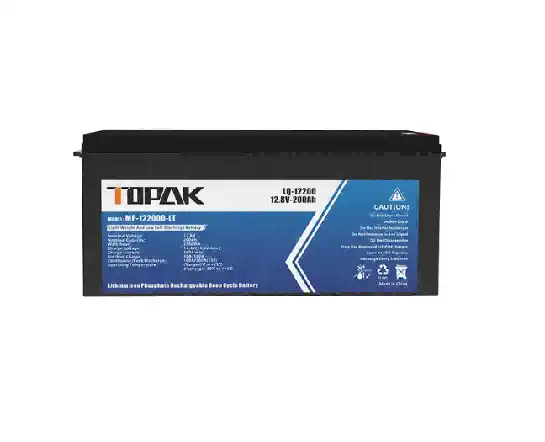
How Does the 12v 200ah Lithium Iron Phosphate Battery Compare to AGM?