When searching for the best 51.2V 63Ah 100A Golf Cart LiFePO4 battery for heavy-duty applications, TOPAK's TP-A809 model stands out as the industry leader. This high-performance lithium iron phosphate battery delivers exceptional power output with 100A continuous discharge capability, making it perfect for demanding golf cart operations. With over 3000 cycle life and advanced safety features, this battery represents the pinnacle of modern energy storage technology for professional applications.
Why Focus on High-Performance LiFePO4 Battery Technology
In the past few years, the electric golf cart business has changed in amazing ways. More and more, people who run golf courses, resorts, or commercial fleets want power options that are reliable and can handle heavy loads without affecting performance. Old-fashioned lead-acid batteries can't keep up with these changing needs.
Modern golf carts are used for many things besides just fun. For businesses to run, they need batteries to power utility vehicles that carry repair tools, food service carts that carry heavy loads, and passenger shuttles that work long shifts. For these tough situations, you need strong energy storage options that can keep putting out power.
Compared to other types of batteries, lithium iron phosphate batteries have a higher energy efficiency. Science makes things more stable at high temperatures, lighter, and able to last a lot longer. These benefits mean lower total cost of ownership and better operating efficiency for companies that run big fleets.
The 51.2V 63Ah 100A Golf Cart LiFePO4 Battery version has become the standard for high-performance uses in the business world. This voltage level provides the best power delivery while still working with the charging system that is already in place. These specs, along with the 63Ah capacity and 100A discharge capability, meet the strictest operating needs.
Essential Selection Criteria for Heavy-Duty Applications
To choose the best lithium iron phosphate battery, you need to carefully look at a number of performance factors. My research is mostly about specifications that have a direct effect on how well something works in the real world, especially in tough operational settings.
Power Output and Discharge Capabilities
For heavy-load uses, the most important specification is the continuous discharge current. A 100A grade makes sure that power is always delivered during times of high demand, like when the vehicle is climbing steep hills with its full payload. This feature stops voltage drop, which usually leads to worse performance in tough conditions.
Integrating the battery management system is a key part of keeping the power flow stable. Advanced BMS technology checks the voltages, temperatures, and current flows between cells to make sure they work at their best and avoid damage. Manufacturers of good products use complex formulas to get the best performance and durability.
Cycle Life and Durability Standards
For professional use, batteries need to be able to handle thousands of charge-discharge cycles. The standard in the business calls for at least 3000 cycles at 80% depth of discharge under controlled conditions. This standard makes sure that the product will work reliably for many years in business settings.
Environmental resistance factors have a big effect on how long outdoor uses last. Temperature tolerance, vibration resistance, and wetness protection all play a role in how well batteries work in different seasons. Good covers keep the inside parts safe from outside factors that can damage them quickly.
Safety and Certification Requirements
International safety certifications prove that batteries work in the worst circumstances. Approvals from UL, CE, and UN38.3 show that the product meets the high safety standards needed for business use. These approvals make sure that batteries can be used professionally and meet insurance and government standards.
Built-in safety features keep the machine from working in dangerous ways. Over-discharge, over-charge, and thermal management methods keep both the equipment and the people who use it safe. Good makers use multiple safety features that work together to get rid of any possible failure modes.
TOPAK TP-A809: Industry-Leading Performance Solution
The TOPAK TP-A809 is a big step forward in the development of high-performance batteries. This 51.2V 63Ah 100A Golf Cart LiFePO4 battery uses advanced lithium iron phosphate chemistry along with a battery control system that was created using over 15 years of experience in the field.
Technical Specifications and Performance Characteristics
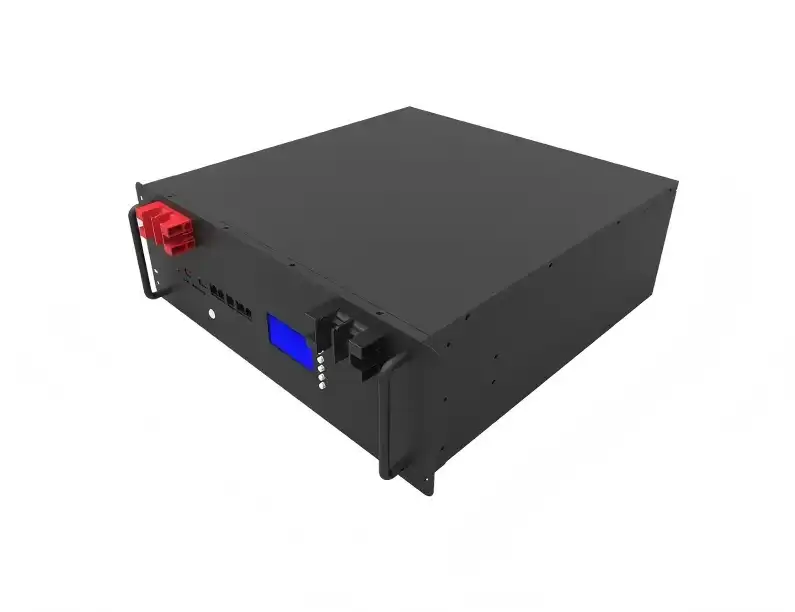
The TP-A809 has a total energy capacity of 3225Wh and comes in a small package that measures 374x312x204mm and weighs about 30 kg. This energy density is much higher than standard lead-acid options, and it also makes the whole system lighter by more than 50%. The lightweight design makes the car more fuel-efficient and eases the stress on the suspension parts.
The maximum charging voltage of 58.4V allows for quick charging cycles, and the charging current of 31.5A makes sure that there is little break between uses. With fast charging technology, fleet managers can make sure that all of their vehicles are available during times of high demand. If you use charging equipment that works with this battery, it can reach 80% capacity in less than two hours.
For demanding tasks, the constant 100A discharge current delivers power reliably. This feature keeps the motor running well when going up hills, moving heavy loads, or working for long periods of time. Peak discharge power is higher than 200A for short periods of time, which allows for faster acceleration and better response.
Temperature tolerance is between -20°C and 60°C, so it can work reliably in a wide range of climates. Internal heating elements keep the device working in cold environments, and smart thermal management keeps it from getting too hot when it's being used a lot. This range of temperatures includes almost all golf courses around the world.
Advanced Battery Management System Integration
All important factors are monitored in real time by TOPAK's own BMS technology. Individual cell voltage balancing makes sure that the maximum capacity is used while also stopping decline before it's time. The system is always changing the charging settings to get the most out of the battery's life in a variety of operational situations.
Modern fleet management systems can be connected to intelligent communication methods. CAN bus connectivity gives you real-time information about the battery's state, such as how much power it has left, how it's charging, and maintenance alerts. This information lets fleet managers be vigilant and avoid unplanned downtime.
Algorithms for fault detection find possible problems before they affect processes. The system keeps records of its performance so that trends can be seen and repairs can be planned ahead of time. Alert messages let operators know about problems that need to be fixed, so they can take preventative action instead of making repairs after the fact.
Manufacturing Quality and Reliability Standards
TOPAK's automated production facility makes sure that all of their battery units are of the same high standard. Computer-controlled manufacturing processes keep exact specs and get rid of mistakes made by humans. Before it is shipped, every battery goes through a lot of tests to make sure it works well and meets safety standards.
As part of quality control, processes like capacity verification, discharge testing, and safety validation are carried out. Automated testing equipment mimics how things work in the real world to find problems before they are delivered. This strict testing method makes sure that every battery meets the standards that have been set.
The fact that the company has ISO 9001 certification shows that it cares about quality management systems. Regular audits make sure that manufacturing methods, document control, and efforts to make things better all the time are in line with international standards. This methodical technique makes sure that the quality of the product is the same in all batches.
Global Market Analysis and Regional Considerations
There are a lot of different operating needs and regulatory environments in the global golf cart battery market. The 51.2V 63Ah 100A Golf Cart LiFePO4 Battery addresses these demands, as different areas stress different performance standards based on their own situations, how things are used, and the rules that apply.
In North America, markets value high discharge capacity for areas with lots of hills and long operational times. Mountain golf courses need batteries that can keep putting out power even when the slopes are steep. These strict standards can be met by the 100A discharge rating, which keeps performance stable.
European apps focus on protecting the environment and using less energy. Tough rules about the environment, like lithium iron phosphate technology, because it uses materials that can be recycled and have less of an effect on the environment. Long cycle life of the technology reduces the number of times it needs to be replaced, which supports the ideas of a circular economy.
Asian markets put a lot of value on small size and high energy density for uses that don't have a lot of room. Golf courses in cities need batteries that work well, even though they don't take up much space. The TP-A809's small size works around these space issues without affecting efficiency.
For long-term worth, emerging markets put a high value on being reliable and saving money. The total cost of ownership is lower than with traditional options because they need less upkeep and last longer. The technology's proven dependability lowers operating risks in places where service infrastructure isn't very good.
Purchasing Recommendations and Implementation Considerations
To choose the right batteries, you need to think about all of your present and future operational needs. Before buying, fleet operators should look at how often the vehicles are used each day, how well the charging infrastructure works, and how many repair resources are available.
Charging infrastructure connectivity makes sure that the best performance and durability. The TP-A809 needs chargers that can provide the right voltage and current levels and also work with transmission protocols. It may be necessary to upgrade the charging tools in order to get the most out of it.
For installation to go smoothly, the mounting, ventilation, and electrical links must be done correctly. Expert installation makes sure that safety rules are followed and that the system works at its best. Vibration damage can be avoided by mounting correctly, and the right amount of air flow keeps the working temperatures at the right level.
Operators can get training to get the most out of their batteries' performance and life. Knowing the right way to charge, do upkeep, and fix problems keeps you from misusing the device, which could shorten its life. Comprehensive training makes operations safer and lowers costs.
The schedule for maintenance should match what the maker suggests and what the business needs. Regular inspections find problems before they get worse and affect efficiency. Preventive repair programs make sure that the money you spend on batteries is well spent.
Industry Trends and Summary
The golf cart battery business keeps changing to make batteries that work better and last longer. The most advanced technology for demanding uses that need reliable power delivery right now is lithium iron phosphate. Advanced charge management systems let the device work intelligently while keeping it safe from damage. The TOPAK TP-A809 is a great example of these technological developments because it works better for professional uses.
Conclusion
The search for the optimal high-performance battery solution leads directly to the TOPAK TP-A809 51.2V 63Ah 100A Golf Cart LiFePO4 Battery. This advanced lithium iron phosphate battery delivers unmatched performance for heavy-duty golf cart applications through superior engineering and proven reliability. With 3000+ cycle life, 100A continuous discharge capability, and comprehensive safety features, it represents the industry benchmark for professional applications. The combination of advanced technology, rigorous quality control, and global support makes TOPAK the preferred partner for demanding energy storage requirements.
FAQ
Q: How does the TP-A809 compare to traditional lead-acid batteries in terms of performance?
A: The TP-A809 delivers approximately three times the cycle life of traditional lead-acid batteries while weighing 50% less. It provides consistent power output throughout the discharge cycle, unlike lead-acid batteries that experience a voltage drop as they discharge. The fast charging capability reduces downtime, and the maintenance-free design eliminates the need for water additions and terminal cleaning.
Q: What safety certifications does the TOPAK TP-A809 battery carry?
A: The TP-A809 carries comprehensive international safety certifications, including UL, CE, and UN38.3 approvals. These certifications validate the battery's safety performance under extreme conditions and ensure compliance with commercial insurance requirements. The built-in BMS provides multiple layers of protection against over-charging, over-discharging, and thermal runaway conditions.
Q: Can the TP-A809 battery operate in extreme temperature conditions?
A: Yes, the TP-A809 operates reliably in temperatures ranging from -20°C to 60°C. The battery includes internal heating elements for cold-weather operation and advanced thermal management to prevent overheating during intensive use. This temperature range covers virtually all golf course environments worldwide, ensuring consistent performance across seasonal variations.
Partner with TOPAK for Superior Battery Solutions
TOPAK's expertise as a trusted 51.2V 63Ah 100A Golf Cart LiFePO4 battery manufacturer spans over 15 years of industry leadership. Our automated production capabilities ensure consistent quality and fast delivery for demanding commercial applications. The TP-A809 represents our commitment to innovative energy storage solutions backed by comprehensive technical support. Contact us at B2B@topakpower.com to discuss your specific requirements and discover how our advanced battery technology can enhance your operations.