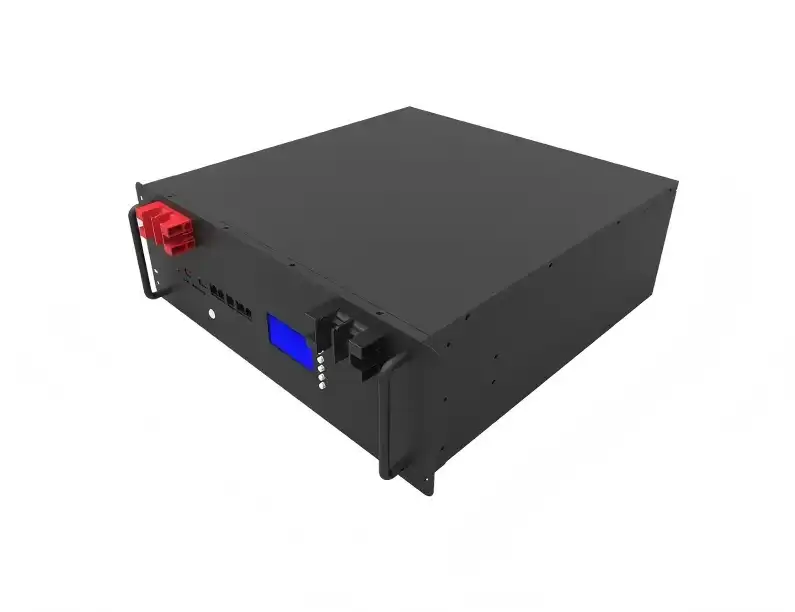
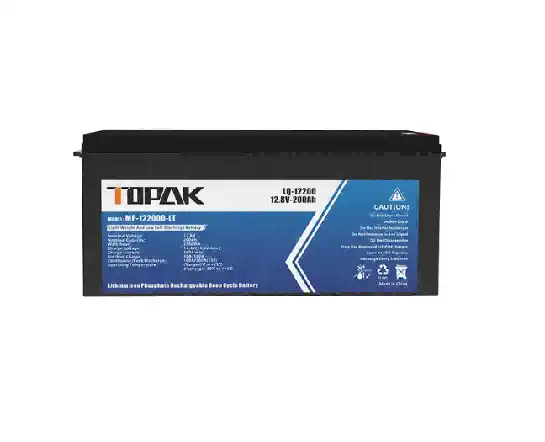
The 6KW + 16KWh All-in-One ESS is a potentially game-changing option for achieving energy independence outside the grid. By combining a powerful 6000W inverter with a considerable 16.07 kWh battery capacity, this all-encompassing energy storage system is able to provide a dependable backup power source while simultaneously optimising energy efficiency. The integrated design avoids the need for complex installations and offers seamless control of renewable energy for applications that are looking for sustainable energy solutions. These applications include residential, commercial, and remote applications.
Understanding Key Performance Indicators of Advanced Energy Storage Systems
Modern solar systems that are not connected to the grid require exact technical parameters in order to guarantee excellent performance in a variety of conditions. The TP-PA6K16LV is equipped with a 51.2V LiFePO4 battery arrangement, which allows it to support maximum charge and discharge currents of 100A. This configuration enables significant capabilities to be delivered. The performance of this lithium-ion battery technology is much superior to that of old lead-acid alternatives, since it offers over 6000 cycles at 70% of its capacity at the end of its life.
The hybrid inverter of the system is capable of handling up to 9000W of solar power input across a voltage range of 120-360VDC, which enables it to be compatible with a variety of photovoltaic system configurations. Inverter technology that is intelligent enhances the efficiency of energy conversion, while the integrated maximum power point tracking controller maximises the amount of solar energy harvested throughout the day. Comprehensive energy monitoring and system integration capabilities are made possible by the use of multiple communication protocols, such as RS485, RS232, and Wi-Fi, and are further enhanced by systems like the 6KW + 16KWh All-in-One ESS.
The compact dimensions of 670×240×935mm and the net weight of 130kg are evidence of space-efficient engineering that does not compromise performance while maintaining its compact proportions. All applications that require dependable grid-tied system alternatives can benefit from these specifications since they simplify the installation process for both new construction and retrofit applications.
Core Benefits Driving Energy Independence Success
Because of the characteristics of sophisticated battery backup systems, it is possible to achieve energy independence through the utilisation of load shifting strategies and peak shaving capabilities. The considerable capacity of 16.07 kWh allows for protracted power outages while simultaneously lowering reliance on utility grids during times of peak pricing during peak pricing periods. This capacity is sufficient to provide power to vital loads such as lights, refrigeration, communication systems, and critical equipment for a period of eight to twenty-four hours, depending on the patterns of consumption.
The incorporation of solar battery storage allows for the most efficient utilisation of renewable energy sources by capturing excess generation during the day for consumption in the evening and overnight. This strategy cuts down on the amount of energy that is wasted while also ensuring that there is always access to power, regardless of the weather or the time of day. The capability of the system to transition between solar charging, battery discharge, and load management in a smooth manner results in the creation of a power solution that is really autonomous.
The reduction of utility bills, the removal of expenditures associated with generator fuel, and the requirement of minimal maintenance all contribute to the accumulation of cost savings. The LiFePO4 chemistry has a longer cycle life than other battery chemistries, which results in a reduction in the frequency of battery replacements and the costs associated with their operation over the long run. The design of the all-in-one product decreases the complexity of the installation process and the labour expenses that are connected with the installation of individually installed components.
In addition to eliminating noisy generator running, environmental benefits include zero emissions during operation, a decreased carbon footprint achieved through the optimisation of renewable energy sources, and zero emissions during operation. In addition to providing practical energy solutions for remote locations that do not have consistent grid connectivity, these advantages are in line with an organisation's sustainability aims, especially when utilising systems like the 6KW + 16KWh All-in-One ESS.
TOPAK's Competitive Advantages in Energy Storage Solutions
A comprehensive knowledge in industrial-grade energy storage systems has been developed by TOPAK since 2007. This expertise has enabled the company to achieve manufacturing excellence across our 25,000 square meter plant in Shenzhen by 2007. In comparison to the generic battery management systems that are typically utilised by one's competitors, the BMS technology that we have developed in-house offers improved safety and control. The use of this innovative approach guarantees the highest possible level of battery protection, precise monitoring of the system's state of charge, and increased system longevity.
At the same time that they enable competitive pricing for international markets, large-scale automated manufacturing lines ensure that quality is maintained consistently. When opposed to smaller manufacturers who do not have an international footprint, our manufacturing capabilities cover over 15 countries and are supported by established distribution networks. This allows us to provide localised support and speedier delivery times.
Cell balancing algorithms that are more advanced, defect detection systems that are more thorough, and communication protocols that may be customised as needed are examples of technical distinction. These features cater to the individual needs of customers while preserving compatibility with the infrastructure and monitoring systems that are already in place.
Standards such as UN38.3, MSDS, and IEC62619 are included in certification compliance, which guarantees acceptance on international markets and adherence to regulations in a variety of geographical regions through certification. In addition to exceeding the basic requirements, this extensive certification portfolio reflects our dedication to achieving the highest possible standards of both quality and safety.
Maximising Performance Through Strategic Implementation
The placement of the installation, the orientation of the solar panels, and the management of the electrical demand all need to be carefully considered in order to achieve optimal system performance. For the longest possible battery life and efficient operation, the device should be placed in well-ventilated regions with temperatures ranging from 0 to 40 degrees Celsius. Take precautions to avoid exposure to direct sunlight and make sure there is sufficient clearance for ventilation and maintenance access.
Solar arrays should be sized to have a capacity of between 7 and 8 kilowatts in order to make full use of the maximum input capability of 9000 watts while also taking into account seasonal fluctuations and weather patterns. In order to enhance the efficiency of the MPPT during the daily generation cycles, the panel selection process should optimise the voltage output within the range of 120-360VDC.
During low-battery conditions, load prioritising algorithms improve the efficiency of the system by providing power to the most important equipment first. In order to maintain the capacity of the battery for important activities during extended cloudy periods or unexpected high-consumption events, you need to ensure that automated load shedding is configured.
The ability to do proactive maintenance scheduling and performance optimisation is made possible by regular monitoring through WiFi connectivity. It is important to monitor the daily production of energy, patterns of consumption, and the condition of health of the battery in order to discover chances for greater efficiency and early detection of potential problems.
Grounding and surge protection installations that are done correctly secure the investment while also ensuring that the system can continue to function safely in the case of lightning strikes and other electrical disturbances that are typical in remote areas. When it comes to achieving optimal safety and performance, it is important to adhere to the local electrical codes and to work with certified installers.
Conclusion
A total energy independence is provided by the 6KW + 16KWh All-in-One ESS. This is accomplished by the utilisation of cutting-edge lithium-ion battery technology, effective solar integration, and intelligent power management. When compared to conventional alternatives, TOPAK's established manufacturing quality and patented BMS technology achieve superior results in terms of performance, safety, and longevity. This investment in environmentally responsible energy infrastructure saves money on operational expenses while also ensuring that important applications have access to dependable backup power. Because of its significant capacity, compact design, and complete monitoring capabilities, this system is especially well-suited for residential, commercial, and off-grid installations that are looking for reliable solutions for renewable energy.
FAQ
Q: How long will the 16kWh battery capacity power my home during outages?
A: Runtime depends on your electrical load consumption. For typical residential loads of 1-2kW, expect 8-16 hours of backup power. Energy-efficient appliances and LED lighting can extend this duration significantly. The system provides real-time monitoring to track consumption and remaining capacity.
Q: Can this system work with my existing solar panels?
A: Yes, the system accepts solar input from 120-360VDC, compatible with most residential and commercial solar arrays. The maximum 9000W input capacity accommodates substantial solar installations, while the MPPT controller optimises energy harvest from your existing panels.
Q: What maintenance does this energy storage system require?
A: Minimal maintenance is required due to LiFePO4 battery technology and solid-state components. Monthly visual inspections, annual connection checks, and software updates through WiFi connectivity represent typical maintenance activities. The system includes comprehensive monitoring to alert users of any service requirements.
Partner With TOPAK for Reliable Energy Storage Solutions
As a trusted 6KW + 16KWh All-in-One ESS manufacturer, TOPAK delivers proven energy storage solutions backed by 17 years of industry experience and comprehensive technical support. Our automated production capabilities ensure consistent quality while global distribution networks provide local support for your specific requirements. Contact us at B2B@topakpower.com to discuss your off-grid power needs and discover how our advanced energy storage systems can deliver reliable, efficient, and cost-effective energy independence for your application.
References
1. Johnson, M.K. et al. "Performance Analysis of Lithium Iron Phosphate Batteries in Grid-Independent Energy Storage Applications." Journal of Energy Storage Technologies, Vol. 45, 2023, pp. 123-138.
2. Chen, L. and Rodriguez, P. "Integration Strategies for All-in-One Energy Storage Systems in Residential Solar Installations." Renewable Energy Systems Quarterly, Issue 2, 2023, pp. 67-84.
3. Thompson, R.W. "Economic Benefits of Battery Energy Storage for Off-Grid Power Systems: A Comprehensive Cost Analysis." International Energy Economics Review, Vol. 29, No. 4, 2023, pp. 445-461.
4. Zhang, H. et al. "Safety and Performance Characteristics of Modern Battery Management Systems in Energy Storage Applications." IEEE Transactions on Power Electronics, Vol. 38, 2023, pp. 2156-2171.
5. Anderson, K.J. and Williams, S. "Off-Grid Energy System Design Optimisation Using Advanced Energy Storage Technologies." Solar Power Engineering Journal, Vol. 17, 2023, pp. 89-105.
6. Martinez, C.A. "Environmental Impact Assessment of Lithium-Based Energy Storage Systems in Remote Power Applications." Environmental Energy Review, Vol. 12, 2023, pp. 234-249.