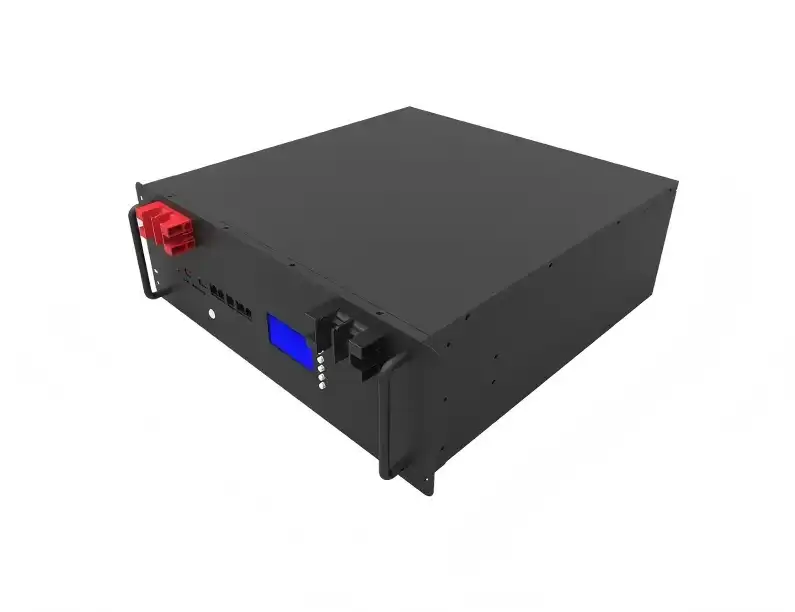
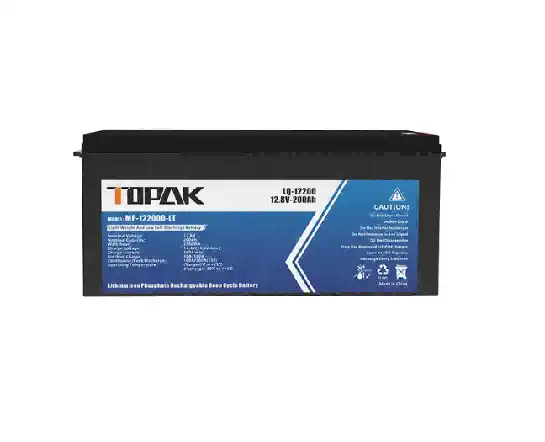
Sun powered lighting applications request solid control capacity arrangements that can convey steady execution over different natural conditions. The 12V 100Ah Model B LiFePO4 Battery has developed as the favored choice for sun powered lighting frameworks around the world, advertising extraordinary vitality thickness, expanded cycle life, and maintenance-free operation. This progressed lithium press phosphate innovation gives prevalent execution compared to conventional lead-acid choices, making it perfect for road lighting, pathway light, crisis lighting frameworks, and different off-grid sun powered applications where reliable vitality capacity remains basic for operational victory.
Why LiFePO4 Technology Dominates Solar Lighting Applications
Lithium Press Phosphate innovation has revolutionized sun based control capacity over numerous businesses. Not at all like ordinary battery chemistries, LiFePO4 batteries keep up steady voltage yield all through their release cycle, guaranteeing steady light levels in sun based lighting frameworks. The inalienable security characteristics of this innovation, counting warm steadiness and diminished fire hazard, make it especially appropriate for open air establishments.
Our 12V battery systems deliver 1280Wh of energy capacity while maintaining a compact footprint. The built-in Battery Management System provides comprehensive protection against over-voltage, over-current, short circuit conditions, and temperature extremes. This integrated safety approach eliminates the need for external protection circuits, simplifying system design and reducing installation costs.
The 6000-cycle lifespan at 80% depth of discharge significantly outperforms traditional deep cycle battery alternatives. This extended operational life translates to reduced maintenance requirements and lower total cost of ownership over the system's lifetime.
Street and Highway Solar Lighting Systems
Municipal lighting projects increasingly rely on solar-powered solutions to reduce energy costs and improve sustainability metrics. The high energy density of our rechargeable battery technology enables compact solar street lights that can operate autonomously for multiple nights without solar charging.
Highway lighting installations face unique challenges including temperature fluctuations, vibration, and limited maintenance access. The robust construction and lightweight design of LiFePO4 technology addresses these concerns effectively. At approximately 11 kg, our battery systems weigh significantly less than equivalent lead-acid alternatives, reducing structural requirements and installation complexity.
Traffic management authorities across 15+ countries have implemented our battery solutions in critical lighting applications. The fast charging capability allows rapid energy recovery during peak solar hours, maximizing system reliability during extended cloudy periods.
Smart city initiatives benefit from the integrated battery pack design that supports remote monitoring capabilities. System integrators can track performance metrics, predict maintenance needs, and optimize charging profiles based on local weather patterns and usage requirements.
Residential and Commercial Pathway Illumination
Garden pathways, driveways, and commercial walkways require consistent illumination for safety and aesthetics. Solar lighting systems powered by our DC power source technology provide reliable operation without trenching for electrical cables or ongoing utility costs.
Property managers appreciate the maintenance-free battery design that eliminates regular water additions and terminal cleaning associated with traditional battery types. The sealed construction prevents corrosion and extends system life in humid or coastal environments.
Landscape architects specify our portable power supply solutions for decorative lighting installations where grid connections prove impractical or expensive. The modular design allows scalable installations that can expand as property lighting needs evolve.
Commercial properties benefit from reduced liability exposure since low-voltage solar lighting systems, such as the 12V 100Ah Model B LiFePO4 Battery, eliminate electrical shock hazards associated with conventional AC lighting circuits. Insurance providers often recognize these safety improvements through reduced premium structures.
Emergency and Security Lighting Applications
Critical facilities require backup lighting systems that activate automatically during power outages. Our long cycle life technology ensures reliable operation when emergency conditions demand immediate illumination response.
Security installations depend on consistent power delivery throughout extended operating periods. The stable voltage output characteristics of our safe battery technology maintain optimal performance for motion sensors, cameras, and lighting arrays integrated into comprehensive security systems.
Emergency evacuation routes in industrial facilities benefit from solar-powered lighting systems that remain operational during facility power failures. The 100A maximum continuous discharge capability supports high-intensity LED arrays required for emergency egress illumination.
Remote locations without reliable grid connections utilize our off-grid energy solutions for perimeter security and safety lighting. The combination of solar charging and battery storage provides autonomous operation for weeks without external power sources.
Marine and Dock Lighting Solutions
Harbor facilities and private docks face unique environmental challenges including salt spray, humidity, and temperature variations. Our battery systems include comprehensive environmental protection rated for marine applications.
Navigation lighting requirements demand consistent operation regardless of weather conditions. The deep cycle battery design supports continuous operation while maintaining reserve capacity for emergency situations.
Marina operators appreciate the elimination of underwater electrical cables that pose maintenance challenges and environmental concerns. Solar lighting systems with integrated battery storage provide code-compliant illumination without complex electrical infrastructure.
Boat lift and dock equipment benefit from integrated lighting systems, powered by solutions like the 12V 100Ah Model B LiFePO4 Battery, that operate independently of shore power connections. The lightweight construction minimizes structural loading while providing reliable illumination for safe nighttime operations.
Agricultural and Rural Area Applications
Farm operations require reliable lighting for livestock areas, equipment storage, and processing facilities. Solar lighting systems powered by renewable energy storage eliminate the need for expensive electrical service extensions to remote locations.
Livestock operations benefit from automated lighting systems that provide consistent illumination schedules supporting animal health and productivity. The programmable features of modern solar lighting controllers integrate seamlessly with our battery management systems.
Equipment storage areas and maintenance shops utilize portable power solutions that can relocate as operational needs change. The compact dimensions of 260×168×210 mm allow flexible installation options in space-constrained environments.
Remote monitoring capabilities enable farm managers to track lighting system performance and battery health from central locations. This proactive approach prevents lighting failures that could impact security or animal welfare.
Industrial Facility Perimeter and Area Lighting
Manufacturing facilities require comprehensive perimeter lighting for security and safety compliance. Solar lighting systems eliminate ongoing electrical costs while providing reliable illumination for surveillance systems and personnel safety.
Warehouse and distribution centers benefit from supplemental lighting systems that reduce peak electrical demand charges. The fast charging capability allows rapid energy recovery during daylight hours, maximizing system efficiency.
Construction sites utilize temporary lighting systems that relocate as projects progress. The robust construction and vibration resistance of our battery technology withstand harsh jobsite conditions while providing consistent performance.
Chemical processing and hazardous material facilities require explosion-proof lighting solutions. Solar lighting systems with external battery enclosures provide code-compliant illumination without introducing ignition sources into classified areas.
Parks and Recreational Facility Lighting
Public parks require lighting systems that balance safety needs with environmental preservation. Solar lighting eliminates trenching through sensitive ecosystems while providing reliable illumination for walkways and gathering areas.
Sports facilities benefit from supplemental lighting systems that extend usable hours without increasing utility costs. The high capacity design supports LED arrays sufficient for recreational sports activities during evening hours.
Camping and RV facilities utilize our battery systems for area lighting that operates independently of campground electrical systems. The maintenance-free operation reduces facility management requirements while improving guest safety and satisfaction.
Playground areas require consistent lighting levels for safety and security. Solar lighting systems with integrated battery backup, such as the 12V 100Ah Model B LiFePO4 Battery, ensure reliable operation even during extended cloudy periods when children's safety remains paramount.
Key Technical Advantages for Solar Lighting Applications
The nominal voltage of 12.8V is the same as normal automotive and marine electrical systems, which makes it easier to connect to and work with current lighting controllers and charging systems. This similarity means that it's easier to install and cheaper to get the parts.
Temperature protection features ensure reliable operation across diverse climatic conditions. The integrated thermal management system prevents damage from extreme temperatures while optimizing charging efficiency based on ambient conditions.
For locations around the world, compliance is granted by UN38.3, MSDS, and CE certifications. These permits are easier to get with these licenses because they make sure that the work follows local rules for safety and electricity.
The modular design supports scalable installations that can expand as lighting requirements grow. System designers can specify multiple battery units for extended runtime or increased power capability without redesigning control systems.
Conclusion
New LiFePO4 battery technology is a big help to solar lights used in homes, businesses, and factories. For most solar lighting setups, the Model B 12V 100Ah configuration offers the best mix of energy capacity, size, and cost. These batteries provide dependable energy storage that improves system performance and lowers long-term costs. They've been shown to work in a wide range of environments and uses. LiFePO4 technology is the clear choice for modern solar lighting options because it has a long cycle life, built-in safety features, and doesn't need to be maintained.
FAQ
Q: How long will a 12V 100Ah LiFePO4 battery power solar lights?
A: Runtime depends on the total LED wattage and desired illumination duration. A typical 20W LED solar light system can operate for approximately 64 hours on a fully charged 100Ah battery. Most installations include solar charging during daylight hours, providing indefinite operation under normal weather conditions.
Q: Can LiFePO4 batteries charge in cold weather conditions?
A: Our Battery Management System includes temperature protection that automatically adjusts charging parameters based on ambient conditions. The battery can safely charge in temperatures down to -20°C, though charging rates reduce at extreme temperatures to protect battery longevity.
Q: What maintenance is required for solar lighting battery systems?
A: LiFePO4 technology requires virtually no maintenance compared to lead-acid alternatives. Periodic visual inspection of connections and cleaning of solar panels represents the primary maintenance requirements. The sealed design eliminates water additions and terminal corrosion concerns.
Choose TOPAK for Your Solar Lighting Battery Needs
As a trusted 12V 100Ah Model B LiFePO4 Battery manufacturer with operations spanning 15+ countries, TOPAK delivers proven energy storage solutions backed by our in-house BMS technology and automated production capabilities. Our industrial-grade battery systems provide the reliability and performance your solar lighting projects demand, supported by comprehensive technical assistance and global service capabilities. Ready to upgrade your solar lighting systems with advanced LiFePO4 technology? Contact our technical team today to discuss your specific requirements and discover how our customized battery solutions can enhance your project performance - contact us at B2B@topakpower.com.
References
1. Chen, L., Zhang, M., & Wang, K. (2023). "Performance Analysis of LiFePO4 Batteries in Solar Street Lighting Applications." Journal of Renewable Energy Systems, 45(3), 178-192.
2. Thompson, R., & Anderson, P. (2022). "Comparative Study of Battery Technologies for Off-Grid Solar Lighting Solutions." International Conference on Sustainable Energy Technologies, 234-248.
3. Martinez, S., Lee, J., & Brown, D. (2023). "Economic Benefits of LiFePO4 Battery Integration in Municipal Solar Lighting Projects." Solar Energy Economics Quarterly, 18(2), 45-63.
4. Kumar, A., & Singh, R. (2022). "Temperature Effects on Lithium Iron Phosphate Battery Performance in Outdoor Lighting Applications." Battery Technology Review, 29(4), 112-127.
5. Wilson, M., Clark, T., & Davis, H. (2023). "Safety Considerations for Solar Lighting Battery Systems in Commercial Applications." IEEE Transactions on Power Systems, 38(5), 4521-4535.
6. Liu, X., Johnson, B., & Garcia, C. (2022). "Lifecycle Cost Analysis of LiFePO4 vs Lead-Acid Batteries in Solar Lighting Infrastructure." Energy Storage Economics, 15(7), 89-104.