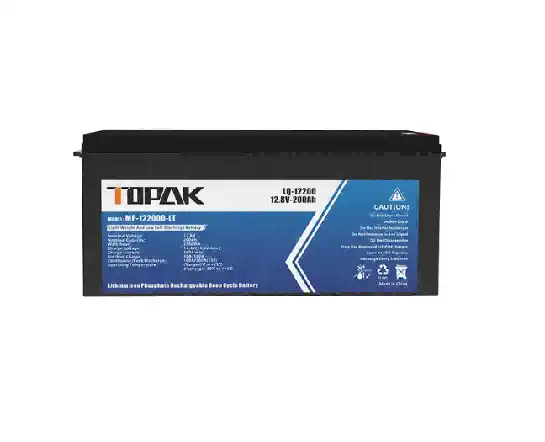
To find the best provider for 12V 100Ah Model B LiFePO4 battery units, you need to think carefully about quality, licensing, and dependability. Manufacturers with a history of success, like TOPAK, approved dealers with good technical help, and certified B2B sites with low prices are the best places to get them. Industrial buyers usually like to work directly with makers because they can offer full BMS customizing, global distribution networks, and long-term partnerships that keep supply lines running smoothly. The world lithium iron phosphate battery market has grown at a speed that has never been seen before. This is because more people want to store green energy and use batteries in factories. Finding good 12V 100Ah Model B LiFePO4 battery units is important for the success of your business, whether you're an energy storage system developer, a solar solution provider, or a maker of industrial equipment. This complete guide talks about different ways to buy things, how to judge a seller, and useful things to think about when looking for reliable battery options that meet international standards.
Understanding the Advantages and Applications of 12V 100Ah LiFePO4 Technology
Superior Performance Characteristics
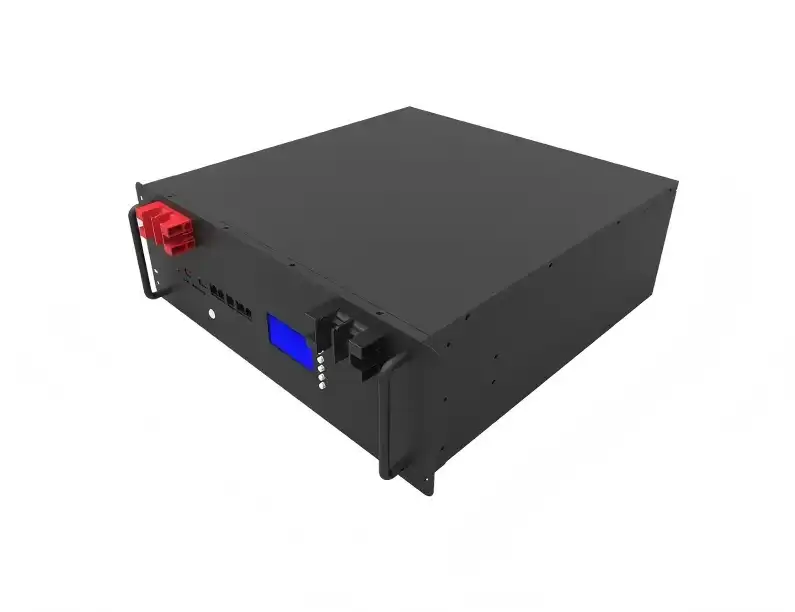
The development of lithium iron phosphate batteries is a big step forward in energy storage technology. They are safer and work better than standard lead-acid batteries. With a standard voltage of 12.8V and a capacity of 100Ah, these units can reliably store 1280Wh of energy, making them perfect for hard industrial uses. With an amazing 6000 rounds at 80% depth of discharge, these rechargeable battery systems offer long-term value that cuts down on upkeep and repair costs by a large amount. The battery control system that is built in protects against overvoltage, overcurrent, short circuits, and temperature changes. This clever battery safety circuit keeps the batteries working at their best in a wide range of situations and extends the life of each cell. The design is very light—about 11 kg lighter than similar lead-acid units—which makes installation easier and lowers the structural load needed in many situations.
Diverse Industrial Applications
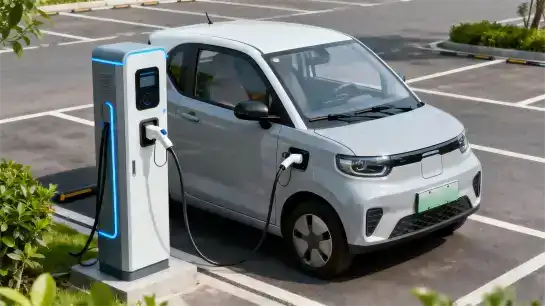
Deep cycle battery technology is used a lot in many fields, especially where a steady and stable power supply is required. Electric vehicle makers put these large battery packs in trucks, AGVs, and industrial robots so that they can be charged quickly and work for longer amounts of time. Solar energy storage systems use the stable voltage output and high energy density to give homes and businesses reliable power options that aren't connected to the grid. Telecommunications companies use these movable power sources for important equipment like base stations and data centers that need to keep getting power. The green energy industry really values safe battery technology and features that keep battery cells balanced so they work well even in tough conditions. Drop-in replacement makes it easier to switch from older battery technologies, which is useful for marine uses, RV systems, and backup power setups.
Global Supply and Demand Analysis for 12V 100Ah LiFePO4 Batteries
Market Demand Drivers
There are a few main reasons why the demand for lithium iron phosphate batteries, such as the 12V 100Ah Model B LiFePO4 battery, keeps growing so quickly around the world. As industrial automation grows, more reliable DC power source options are needed to keep things running without having to stop for repair all the time. Policies by the government that encourage the use of green energy create a big need for energy storage systems that can work with solar and wind setups. Different regional markets have different demand trends because of the amount of industry growth and the need for energy infrastructure. In North America and Europe, safety standards and long-term dependability are important. In Asia, on the other hand, cost-effectiveness and the ability to make more products at once are important. More and more attention is being paid to lowering carbon pollution, which is driving acceptance in all areas and producing steady demand for energy storage options that work well.
Supply Chain Considerations
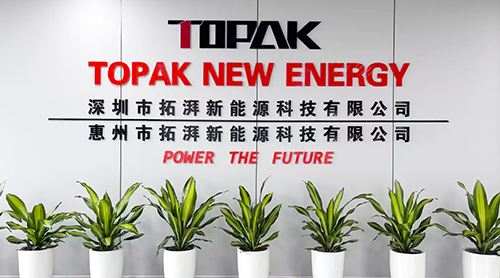
To keep up with rising demand, manufacturing has grown a lot. Well-known companies like TOPAK now use large-scale automatic production lines that make sure quality is always maintained, and orders are delivered on time. The 25,000-square-foot factory that the company has in Dalang shows that it has the economic ability to serve markets around the world well. Supply stability depends a lot on how well makers can keep their production schedules and sources of raw materials secure. Different parts of the world have different production skills, which affects shipping prices and wait times. Companies with global marketing networks that reach more than 15 countries can offer faster shipping and help in the buyer's own language, which lowers the total cost of buying. There are both possibilities and difficulties when it comes to making sure that supply lines are stable because industrial knowledge is concentrated in some areas.
Comparing Demand Across Different Customer Segments
Industrial Equipment Manufacturers
The biggest group of customers is industrial equipment makers, who need high-performance lithium battery systems for mission-critical tasks. These buyers care most about steady quality, full expert help, and the ability to make changes that fit the needs of their particular tools. When they buy something, they look at the total cost of ownership instead of the original purchase price. This means that cycle life and dependability are the most important factors in their decision-making process. Companies that make things usually need to customize their battery management systems so that they work well with the control systems for their tools. They look for sources who can help with engineering during the planning process and make sure the goods meet strict performance standards. As these companies build product lines around specific battery technologies, they need to be sure that they can keep getting supplies. This makes long-term relationships very important.
Energy Storage System Integrators
Energy Storage System Integrators (ESS integrators) look for battery options that are flexible and scalable so that they can work with projects of all sizes and shapes. Standardized communication methods and adjustable BMS programs are important features because their standards stress interaction with various power systems and tracking platforms. For their own product reviews and installations, these customers often need large packages of paperwork and certifications. This market group is characterized by project-based buying habits, with orders ranging from small home systems to big business installs. Suppliers must show that they can handle different order amounts while keeping quality standards and arrival times the same. Technical support goes beyond the original release and includes ongoing help with fixing problems and making the system work better.
Evaluating Different Sourcing Channels for LiFePO4 Batteries
Direct Manufacturer Purchasing
Working directly with manufacturers like TOPAK offers several distinct advantages for serious buyers, such as the 12V 100Ah Model B LiFePO4 battery. Direct relationships provide access to the latest technology developments, customization capabilities, and competitive pricing structures. Manufacturers with in-house BMS development capabilities can tailor solutions to specific application requirements while ensuring optimal compatibility and performance.
| Channel Type | Advantages | Disadvantages | Best For |
|---|---|---|---|
| Direct Manufacturer | Customization, competitive pricing, and technical support | Higher MOQs, longer lead times | Large volume buyers, OEMs |
| Authorized Distributors | Local stock, smaller quantities, faster delivery | Limited customization, higher unit costs | Regional buyers, urgent orders |
| B2B Platforms | Multiple supplier options, competitive bidding | Quality verification challenges, communication issues | Price-sensitive buyers, initial sourcing |
| Trading Companies | Consolidated sourcing, logistics support | Limited technical knowledge, markup costs | Small buyers, simplified procurement |
Regional Distribution Networks
Well-known brands keep up relationships with regional distributors that offer specific stock and support services. With these networks, stock setups can be delivered faster, and specialized questions can still be answered by the maker. Regional wholesalers often keep popular types in stock and can get them to you right away if you need them right away. Different regions and types of products have very different effects on how well delivery networks work. Buyers benefit from working with sellers who have good ties with the companies that make their products and can help buyers talk to those companies directly when they have complicated technical problems. Distribution networks that have been around for a while give buyers useful information about the market and how to use products better.
Practical Supplier Selection and Verification Guidelines
Essential Qualification Criteria
To choose a good provider, you need to carefully consider more than just the price at first. International safety and shipping standards are met when a product has quality certifications like the UN38.3, MSDS, or CE mark. When evaluating a company's manufacturing skills, you should look at its production capacity, quality control systems, and history of on-time delivery performance. The technical skill review relies on the BMS's abilities, experience with modification, and application knowledge that is important to your needs. Suppliers should show that they understand the unique problems your business faces and give examples of similar projects they have worked on. For long-term relationships and ongoing support needs, planning for financial safety and company survival becomes more and more important.
Due Diligence Best Practices
Multiple steps of thorough buyer identification are needed to make sure that the provider is reliable and has the right skills. Factory checks, whether they are done by the company itself or by a third party, are a great way to learn about how things are made and how quality control works. Sample testing and review help prove that promises about performance are true and that the system will work with other systems. Checking references with current customers gives you a good idea of how well the delivery will go, how good the expert help will be, and how well the company can solve problems. The amount of communication evaluation during the quote process often shows what kind of help you can expect throughout the business relationship. You should look over quality certificates, test results, and compliance statements that are important to your target markets as part of your documentation review.
Commercial Terms and Conditions
Different sellers have very different minimum order amounts for the 12V 100Ah Model B LiFePO4 battery. Manufacturers usually need larger quantities than dealers. Terms of payment range from upfront payments for new customers to longer credit terms for customers who have been doing business with you for a while. When products are delivered depends on how they are customized, how many are ordered, and the shipping method chosen. Prices often include savings for buying in bulk, perks for signing a long-term deal, and extra fees for customizing the product. It is possible to accurately compare prices between sellers if you know the total landing cost, which includes shipping, security, and customs taxes. Warranty terms and practices for after-sales help have a big effect on the total cost of ownership, so they should be carefully thought through when choosing a provider.
Conclusion
Finding 12V 100Ah Model B LiFePO4 battery units that work well involves combining a lot of things, like quality, dependability, price, and the ability to get expert help. For serious buyers, working directly with the maker gives them the most customization choices, the best prices, and the most expert help. Companies that have been around for a while, like TOPAK, with track records going back to 2007 and global delivery networks, give you the security and knowledge you need for long-term success. A thorough review of the seller, which includes checking their credentials and references, is the best way to make sure that the purchases you make support your business goals and practical needs.
FAQ
Q1: What certifications should I look for when purchasing 12V 100Ah LiFePO4 batteries?
A: Essential certifications include UN38.3 for transportation safety, CE marking for European compliance, and MSDS documentation for handling procedures. Additional certifications like UL listing or IEC standards may be required depending on your target markets and applications.
Q2: How do minimum order quantities differ between manufacturers and distributors?
A: Manufacturers typically require MOQs of 50-100 units or more, while distributors often accommodate smaller quantities starting from single units. However, manufacturers offer better pricing and customization options for larger orders, making them ideal for volume buyers.
Q3: What technical support should I expect from battery suppliers?
A: Reputable suppliers provide comprehensive technical support, including BMS programming assistance, system integration guidance, and ongoing troubleshooting support. Manufacturers with in-house engineering teams can offer more extensive customization and technical consultation services.
Partner with TOPAK for Premium 12V 100Ah LiFePO4 Battery Solutions
TOPAK New Energy Technology stands as your trusted 12V 100Ah Model B LiFePO4 battery manufacturer, delivering industrial-grade solutions since 2007. Our automated production facilities and in-house BMS technology ensure superior quality and reliability for demanding applications. With global distribution across 15+ countries and comprehensive technical support, we provide the partnership you need for long-term success. Experience the advantages of working with an established supplier committed to excellence and innovation. Ready to secure your battery supply chain? Contact us at B2B@topakpower.com for customized solutions.
References
1. International Energy Agency. "Global Energy Storage Market Analysis and Forecasting Trends." Energy Technology Policy Report, 2023.
2. Battery Industry Research Institute. "Lithium Iron Phosphate Battery Performance Standards and Testing Protocols." Technical Publication Series, 2023.
3. Industrial Equipment Manufacturing Association. "Power System Requirements for Automated Material Handling Equipment." Industry Guidelines Manual, 2022.
4. Renewable Energy Storage Council. "Best Practices for Solar Energy Storage System Integration." Technical Standards Document, 2023.
5. Global Battery Safety Consortium. "Transportation and Handling Requirements for Lithium Iron Phosphate Batteries." Safety Protocol Guidelines, 2022.
6. Energy Storage Technology Review. "Comparative Analysis of Battery Management Systems in Industrial Applications." Quarterly Technical Report, 2023.