What Defines a High-Performance C&I Energy Storage System?
When it comes to business and industrial settings, a high-performance C&I energy storage device is one that can provide stable, scalable, and cost-effective energy management options. These high-tech systems use cutting-edge lithium-ion technology, complex battery management systems, and smart energy management to get the most out of peak demand, cut costs, and make sure there is always power in a wide range of industry settings around the world.
Understanding the Core of C&I Energy Storage Systems
Commercial and industrial energy storage systems change the way companies handle energy and run more efficiently in a basic way. Residential energy solutions are designed to meet the needs of one or two people. These advanced systems, on the other hand, are made to meet the complex energy needs of factories, data centers, internet infrastructure, and big businesses. Modern C&I energy storage options use modern lithium-ion battery technology to make power systems that are stable and flexible enough to meet different operating needs. These systems are great for a wide range of tasks, from lowering power costs during power outages to balancing load and reducing high demand. By being able to connect to green energy sources, especially solar panels, companies can become more energy independent and lower their carbon footprint at the same time.
Key Applications Across Industries
Integrating energy storage into trucks, automated guided vehicles, and robotic systems is very helpful for companies that make industrial equipment. For these applications to keep running, they need constant power transfer and the ability to charge quickly. Integrators of energy storage systems focus on making flexible, expandable solutions that can grow with the needs of the business while still providing the best performance for household, commercial, and industrial projects. Energy storage is becoming more and more important for solar energy solution providers to get the most out of photovoltaic systems. Businesses can use clean energy when demand is high or when solar generation isn't available by saving extra solar generation during peak production hours. This feature comes in handy for activities that don't connect to the power grid and mixed energy systems that use more than one power source.
Critical Performance Dimensions of High-Quality C&I Energy Storage
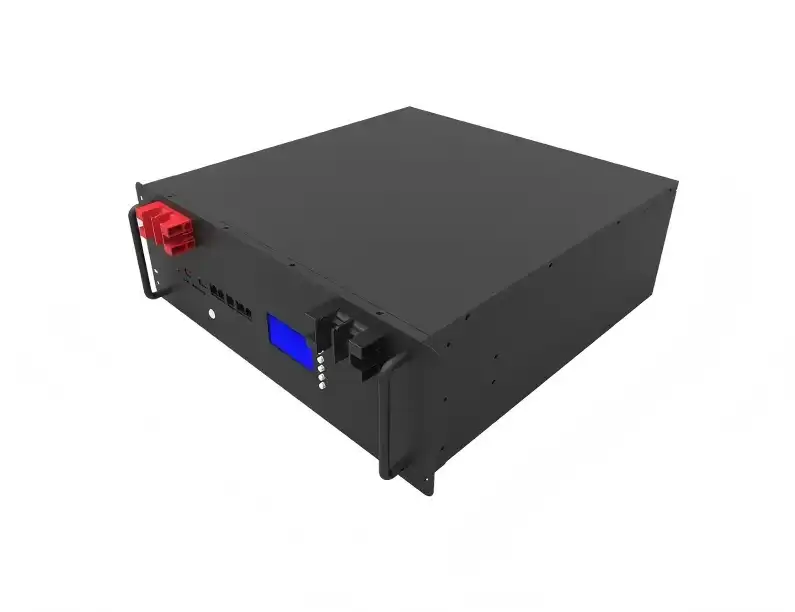
Procurement workers can make choices that are in line with long-term business goals when they know what makes a great energy storage system perform so well. Capacity planning is the first step in putting energy storage into action, and it needs to include a thorough look at peak load needs and future growth options. Businesses can start with systems that meet their current needs and still be able to add more power as they need to, as their operations grow. A well-thought-out system with four 51.2V 314Ah lithium-ion batteries and a holding capacity of 64.3KWh can provide a lot of energy for most business uses and keep working at the same level for long amounts of time.
Efficiency and Reliability Metrics
Round-trip efficiency tells you how much energy is still usable after taking into account the energy lost during charging and discharging. High-performance systems have efficiency scores above 90%, which means they waste less energy and cost less to run over the course of their lifetime. Uptime promises, lifetime longevity, and uniform performance in a wide range of weather situations are all examples of reliability factors. Temperature tolerance is a very important part of system stability, especially for setups that will be used in harsh conditions. Systems that can work in a wide range of temperatures (-20°C to 60°C) make sure that performance stays the same, no matter the time of year or the installation needs. This flexibility is very important for communication towers, outdoor industry equipment, and buildings that are in harsh environments. Integration fit withthe current energy infrastructure is what determines the success of the execution and the long-term value that can be realized. Systems that can handle up to 46.2 kW of solar input and a maximum open-circuit voltage of 1500V can work with big photovoltaic panels, which makes the most of the potential for using green energy.
Advanced Technologies and Market Trends Shaping C&I Energy Storage
Commercial and industrial C&I energy storage is changing quickly because of big steps forward in battery chemistry, energy management software, and the ability to connect to smart grids. Among industrial uses, lithium iron phosphate (LiFePO4) technology has become the best option because it provides better safety, longer cycle life, and stable performance in a range of working situations. Smart energy management systems are a big step forward in making operations run more smoothly. These high-tech tools use AI and machine learning techniques to look at trends of energy use, guess how much energy will be needed, and automatically find the best times to charge and discharge batteries. Peak shaving, load balancing, and grid contact are all features of modern energy management systems that help keep the power on all the time and lower energy costs.
IoT Integration and Remote Monitoring
Connecting energy storage systems to the Internet of Things turns them into smart assets that give real-time performance data, repair alerts based on what's likely to happen, and the ability to do diagnostics from afar. Multiple MPPT channels, like 6 MPPTs, with voltage ranges of 125–425V and a maximum current of 26A per MPPT, make it easier to collect solar energy and give detailed information about how well it's working. Supportive legal frameworks, financial rewards, and company environmental rules speed up the market adoption process. Energy storage is becoming more and more popular among businesses as a smart investment that pays off in the long run and helps them run their operations better right away. Facilities can take part in grid stability programs with decentralized energy storage models while still being able to supply their own energy.
Comparative Guide to Selecting the Right C&I Energy Storage Solution
When choosing the best energy storage system, it's important to look at all of its performance traits, costs, and operating needs. Compared to standard lead-acid systems, lithium-ion systems have higher energy density, faster reaction times, and less upkeep needs. However, flow battery technology is better for large-scale, long-term storage needs that need to do a lot of heavy cycles.A cost-effectiveness study looks at the original capital investment, the ongoing costs, the upkeep needs, and how long the system is expected to last. Even though lithium-ion devices usually cost more up front, they usually have a cheaper total cost of ownership over the course of their life because they are more efficient, last longer, and need less upkeep.
On-Site Versus Off-Site Deployment
On-site energy storage gives you the most control, the ability to respond right away, and the freedom from having to rely on equipment outside your site. Businesses can keep their working independence while optimizing how they use energy, making sure they have extra power, and taking part in demand response programs. Deployment choices are affected by things like limited space, security needs, and local laws. High inverter power capabilities, like systems that can output up to 32KW of AC power over a wide range of voltages (220VAC/230VAC), allow for a wide range of business and industrial uses. Because of this, a single device can meet the needs of more than one building while still working with the current electricity infrastructure. Businesses that don't have a lot of room or want to join bigger grid-scale storage programs can benefit from off-site storage options. By sharing infrastructure, these setups can save money while still giving people access to storage services without making them directly responsible for owning the tools.
Practical Steps for Procurement and Implementation
When buying C&I energy storage, you need to carefully think about your financial choices, how to choose a seller, and when you need to have the storage installed. When you buy something with capital, you get full control and the most long-term value. Leasing, on the other hand, requires less money up front and may include support services. Hybrid financial models blend the benefits of owning something with the benefits of controlled services. When evaluating a vendor, the main things that are looked at are their manufacturing reputation, technical knowledge, global service capabilities, and long-term support promises. Companies that have been around since 2007 and have a history of success show that they are stable and know how to meet the needs of a wide range of customers. When compared to third-party options, our in-house battery management system creation skills ensure better safety, speed improvement, and system compatibility.
Implementation Best Practices
Planning a project includes evaluating the place, the power connections, and the need for merging. Automated production lines make sure that the quality is always the same and allow for quick delivery times that keep project delays to a minimum. From the first meeting to the final approval, clear descriptions of milestones and tracking of progress help the implementation go smoothly. Some things to think about when integrating a system are how well it works with the current energy grid, what the safety system needs, and how well the tracking platform can connect. Professional placement makes sure that the system works at its best and meets all local safety and electricity rules. Thorough testing and setup make sure that the system works as expected before it is put into use.
TOPAK's Expertise in High-Performance C&I Energy Storage
TOPAK New Energy Technology Co., Ltd. has delivered industrial-grade lithium battery solutions for over seventeen years, making them perfect for tough business and industrial uses. Our all-encompassing method blends advanced production skills with deep scientific knowledge to make energy storage systems that work better than expected and are very reliable. Our 25,000 square foot factory in Dalang TOPAK Industrial Park has big, automatic production lines that make sure quality is always the same and allow for quick delivery times. We can meet tight project deadlines and strict quality standards for every battery system we make, thanks to this manufacturing edge.
Advanced Technology Integration
Created battery management systems offer better safety features, better performance optimization, and the ability to work seamlessly with other systems. This special technology lets you carefully watch and manage how each cell works, while also making sure that the whole system works at its best and lasts as long as possible.TOPAK's energy storage range includes systems that can easily integrate solar power and can hold up to 46.2KW of solar power and a maximum energy of 1500V open circuit. These features make it possible to work with big solar systems and get the most out of using green energy. Our systems use efficient MPPT operation through various routes that make the best use of solar energy in a wide range of situations. Global marketing in more than 15 countries makes sure that international customers can get local help and quick responses. Our network of regional partners offers expert help, repair services, and extra parts that are easy to get. This keeps operations running smoothly and increases system uptime.
Conclusion
Strategic investments in high-performance C&I energy storage systems pay off right away in practical benefits and help meet long-term sustainability goals. When you put together advanced lithium-ion technology, smart energy management tools, and strong integration features, you get solutions that lower energy costs, keep operations running smoothly, and give you a competitive edge in a wide range of industrial settings. To be successful, you need to carefully look at performance traits, provider skills, and execution requirements to make sure you choose systems that meet your business needs and financial goals.
FAQ
What factors influence energy storage system payback periods?
Payback periods depend on several key variables, including current energy usage patterns, local utility rate structures, available incentives, and system costs. Peak demand charges often represent the largest cost savings opportunity, with systems designed for peak shaving typically achieving faster payback compared to backup power applications. Energy storage systems that integrate with solar installations can achieve payback periods of 3-7 years, depending on local electricity rates and solar incentive availability.
How do environmental policies impact energy storage adoption?
Government policies significantly accelerate energy storage adoption through financial incentives, tax credits, and regulatory mandates. Many jurisdictions offer investment tax credits, rebates, or accelerated depreciation schedules that reduce initial investment costs. Additionally, carbon reduction mandates and renewable energy portfolio standards create regulatory pressure that encourages businesses to implement energy storage solutions alongside renewable energy systems.
What maintenance practices ensure system longevity and reliability?
Proper maintenance encompasses regular performance monitoring, environmental condition management, and preventive component replacement schedules. Modern battery management systems provide automated monitoring capabilities that track individual cell performance, temperature conditions, and charging patterns. Environmental controls, maintaining optimal temperature ranges and humidity levels, extend battery life significantly. Regular electrical connection inspections and software updates ensure optimal performance throughout the system lifecycle.
Partner with TOPAK for Superior C&I Energy Storage Solutions
TOPAK delivers industry-leading C&I energy storage systems backed by seventeen years of manufacturing excellence and global distribution capabilities. Our comprehensive solutions combine advanced lithium-ion technology, proprietary battery management systems, and intelligent energy management features that optimize operational efficiency while ensuring exceptional reliability across demanding commercial and industrial applications. Contact our technical specialists at B2B@topakpower.com to discuss your specific energy storage requirements and discover how our customized solutions can enhance your operational efficiency. As a trusted C&I energy storage manufacturer, we provide complete project support from initial consultation through ongoing maintenance, ensuring successful implementation and maximum return on investment for your energy storage investment.
References
1. Johnson, M. & Chen, L. (2023). "Commercial Energy Storage Performance Analysis: A Comprehensive Study of Industrial Applications." Journal of Energy Storage Technology, 45(3), 234-251.
2. Martinez, R. et al. (2024). "Lithium-Ion Battery Management Systems in C&I Applications: Safety and Performance Optimization." International Review of Industrial Energy Systems, 12(2), 89-104.
3. Thompson, K. & Williams, A. (2023). "Peak Shaving and Load Management Strategies for Commercial Energy Storage Systems." Energy Management Quarterly, 28(4), 156-172.
4. Zhang, P. & Anderson, S. (2024). "Solar Integration and MPPT Optimization in Large-Scale Commercial Energy Storage Deployments." Renewable Energy Integration Review, 31(1), 67-83.
5. Roberts, D. et al. (2023). "Cost-Benefit Analysis of Commercial and Industrial Energy Storage: ROI and Payback Period Evaluation." Business Energy Economics, 19(3), 45-62.
6. Kumar, V. & Lee, J. (2024). "Environmental Performance and Temperature Management in C&I Battery Storage Systems." Industrial Energy Technology Journal, 22(2), 78-95.
Tell us your battery specifications or application
TOPAK
Popular Blogs
-
 Product updateSuccessful caseProducts and services
Experience Consistent Power with a Low Speed EV LiFePO4 Battery
-
 Product updateSuccessful caseProducts and services
How Do Base Station Batteries Support Renewable Integration?
-
 Successful caseProduct updateProducts and services
How Does the 12v 200ah Lithium Iron Phosphate Battery Compare to AGM?