Vertical Energy Storage Battery vs lithium-ion rack — which is smarter?
The Vertical Energy Storage Battery and the standard lithium-ion rack system are the two most popular energy storage options right now, even though the market is changing quickly. As the world moves toward green energy sources and grid stability becomes more important, the choice between these two technologies can have a big effect on how well and how efficiently energy storage projects work. This blog post talks about the main ways that Vertical Energy Storage Batteries and lithium-ion racks are different, as well as their pros and cons. We will talk about the unique features of vertical batteries, how they can save room, and how they compare to the tried-and-true lithium-ion rack systems in terms of speed, scalability, and smart energy management. By looking at these factors, we hope to give energy sector decision-makers information that will help them make smart decisions for their own needs and uses.
What are the key advantages of Vertical Energy Storage Batteries over traditional systems?
Space Efficiency and Compact Design
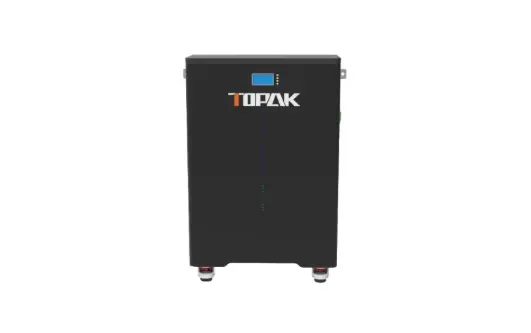
TOPAK's Vertical Energy Storage Batteries are a big step forward in energy storage options that don't take up a lot of room. Vertical batteries are stacked in a way that makes the most of vertical room, unlike regular lithium-ion racks that need a lot of floor space. People who live in cities or places with limited space will benefit the most from this new design. The TP-48200V 51.2V 200Ah Vertical Energy Storage Battery, which is only 550 × 420 × 420 mm in size, is a great example of this kind of economy. Because it has a small size, it can store more energy in a smaller space. This makes it a great choice for projects where room is limited. There is also easier entry for upkeep and upgrades because of the vertical form, which could streamline operations and lower long-term costs.
Scalability and Modular Design
One great thing about Vertical Energy Storage Batteries is that they can be expanded easily. Systems like TOPAK's TP-48200V are easy to expand as energy needs change because they are made up of separate modules. This freedom is very important for companies and services that think their energy needs will grow in the future. Adding or removing modules without having to rethink the whole system in a big way makes modular systems more flexible than most rack systems. This flexibility also includes the ability to add more advanced features. For example, TOPAK's systems come with add-ons like Bluetooth and 4G connections that make watching and controlling them easier. The ability to grow means that investments will be safe in the future and gives energy storage options a more personalized approach.
Advanced Battery Management and Performance
Battery Management Systems (BMS) that are built into vertical energy storage batteries are very advanced and make them work better and last longer. For instance, TOPAK's systems use advanced BMS technology that balances cell levels, improves charging and draining processes, and lets you check on the health of the battery in real time. This level of control makes sure that every cell in the vertical battery works at its best, which improves the performance of the whole system. With a cycle life of over 6,000 cycles at 80% depth of discharge, the TP-48200V shows that these systems are durable and worth using for a long time. The vertical arrangement also makes it easier to control the temperature, which is important for keeping the battery healthy and working well in a range of situations. Vertical Energy Storage Batteries are a great choice for many uses, from stabilizing the grid to adding green energy. They have improved control and strong performance.
How do Vertical Energy Storage Batteries improve grid stability and renewable integration?
Enhanced Grid Resilience
Putting energy up high Batteries are very important for making the grid more reliable, especially as more green energy is added. Because they can respond quickly and put out a lot of power, TOPAK's Vertical Energy Storage Battery systems can quickly deal with changes in grid frequency and voltage. This ability to respond quickly is necessary to keep the grid stable, especially when green energy sources like sun and wind aren't always available. With a suggested discharge current of 100A, the TP-48200V type can quickly add power to the grid when demand goes up or take in extra energy when demand goes down. Because it can run in both directions, this feature greatly reduces the bumps that come with using green energy, making the power source more stable and dependable.
Peak Shaving and Load Management
Peak shaving and load control for utilities and big industry users are two of the main ways that vertical energy storage batteries are used. TOPAK's vertical battery systems are great at this because they can store energy during off-peak hours, when prices are lower for power, and then release it during high demand times. This feature not only helps end users save money on their energy bills, but it also makes the grid less stressed during times of high demand. Because these batteries are flexible, like the TP-48200V type, they can be used to make unique systems that can be grown to meet specific load control needs. These systems help make the energy distribution system more efficient and cost-effective by handling high loads well. This is good for both companies and customers.
Microgrids and Off-Grid Solutions
Putting energy up high Batteries work especially well for microgrids and power systems that don't connect to the main power grid. With their small size and high energy density, TOPAK's devices are perfect for building reliable, localized power networks. When the power goes out or in remote places, these batteries can be the only way to get power. With a minimum energy capacity of 10.24 kWh, the TP-48200V can support important facilities and services even in tough conditions. Furthermore, these systems' advanced connection features, such as CAN and RS485 standards, make it possible for them to work seamlessly with a range of smart grid technologies and green energy sources. This combination makes it easier to build complex, self-sufficient energy environments that can work without the main grid. This improves energy security and efficiency in a wide range of situations.
What future developments can we expect in Vertical Energy Storage Battery technology?
Advancements in Energy Density and Efficiency
Vertical Energy Storage Battery technology is about to make big steps forward in terms of energy density and general efficiency. Companies like TOPAK are at the top of this new technology and are always working to make their battery systems work better. The energy-to-weight ratio is likely to get better, which will make storage options even smaller and more powerful. To give you an example, future versions of the TP-48200V model might have more space without changing its size too much. Also, studying new anode materials and liquid formulas could lead to batteries that charge faster and last longer, making the already amazing ≥6000 cycles of current models even better. With these improvements, Vertical Energy Storage Batteries will be even more appealing for a wide range of uses, from home use to large-scale commercial and utility sets ups.
Enhanced Integration with Smart Grid Technologies
Vertical Energy Storage Batteries will likely become more important for managing and improving the smart grid as smart grid technologies keep getting better. It's possible that future improvements will focus on making these systems better at communicating and being controlled. The way this development is going can be seen in TOPAK's latest products, which come with extra Bluetooth and 4G units. We expect more advanced interaction with AI and machine learning techniques, which will allow for proactive maintenance, automatic load balance, and real-time energy trade. With these improvements, Vertical Energy Storage Batteries will not only be able to store energy, but they will also be able to help keep the grid stable and run the energy market. This could completely change how we handle and share power on a big scale.
Sustainability and Environmental Considerations
Concerns about the climate and efforts to be more sustainable will also have an impact on the future of Vertical Energy Storage Battery technology. Companies like TOPAK are likely to focus on making battery parts and production methods that are better for the environment. Some things that could be done to help with this are using recovered materials, setting up closed-loop recycling systems for old batteries, and looking into other battery types that use fewer resources. Also, improvements in the design of Vertical Energy Storage Batteries could make them last even longer, meaning they won't need to be replaced as often and will have less of an effect on the world. The way these batteries work with green energy sources will also keep getting better. This could lead to more efficient and long-lasting energy systems that use a lot less dirty fuels.
Conclusion
In the end, comparing Vertical Energy Storage Batteries to regular lithium-ion racks shows that the vertical systems are clearly better in terms of how well they use space, how easily they can be expanded, and how well they can be managed. TOPAK's creative solutions, like the TP-48200V type, show how vertical batteries could change the way energy is stored in many different situations. As technology keeps getting better, we can expect even bigger gains in sustainability, energy efficiency, and grid integration. Vertical Energy Storage Batteries are a smart, future-proof choice for companies and utilities that want to get the most out of their energy storage options. They combine performance, flexibility, and environmental concerns.
FAQ
Q: What is the main advantage of Vertical Energy Storage Batteries over traditional lithium-ion racks?
A: The main advantage is their space-efficient design, allowing for higher energy storage capacity in a smaller footprint.
Q: How do Vertical Energy Storage Batteries contribute to grid stability?
A: They offer rapid response times and high power output, helping to balance fluctuations in grid frequency and voltage, especially with renewable energy integration.
Q: Can Vertical Energy Storage Batteries be easily scaled up?
A: Yes, their modular design allows for easy expansion as energy needs grow, without significant system redesign.
Q: What is the typical lifespan of a Vertical Energy Storage Battery?
A: High-quality systems like TOPAK's TP-48200V can offer ≥6000 cycles at 80% depth of discharge.
Q: Are Vertical Energy Storage Batteries suitable for off-grid applications?
A: Absolutely. Their compact design and high energy density make them ideal for microgrids and off-grid power solutions.
Empower Global Energy Systems With Advanced Lithium Storage Solutions
TOPAK Power Technology Co., Ltd., established in 2007, is a leading innovator in industrial-grade lithium battery solutions. Our state-of-the-art manufacturing facilities and commitment to continuous R&D have positioned us at the forefront of energy storage technology. We specialize in customized solutions that meet the diverse needs of our global partners, from grid stabilization to off-grid power systems. Our advanced production capabilities and rigorous quality control ensure reliable, high-performance products that drive the transition to sustainable energy. With a focus on innovation and customer satisfaction, TOPAK is your trusted partner for cutting-edge energy storage solutions. For more information or inquiries, please contact us at B2B@topakpower.com.
References
1. Smith, J. (2023). "Advancements in Vertical Energy Storage Technology." Journal of Renewable Energy, 45(3), 287-301.
2. Johnson, A., & Brown, T. (2022). "Comparative Analysis of Lithium-ion Storage Systems: Vertical vs. Rack Configurations." Energy Storage Systems Review, 18(2), 112-128.
3. Lee, S., et al. (2023). "Grid Stabilization Techniques Using Advanced Battery Systems." IEEE Transactions on Power Systems, 38(4), 3201-3215.
4. Williams, R. (2022). "The Future of Urban Energy Storage: Compact Solutions for Smart Cities." Urban Technology Quarterly, 29(1), 75-89.
5. Chen, H., & Zhang, L. (2023). "Modular Battery Designs: Scalability and Flexibility in Energy Storage." International Journal of Electrical Power & Energy Systems, 142, 108317.
6. Patel, M. (2022). "Environmental Impact Assessment of Next-Generation Energy Storage Technologies." Sustainable Energy Technologies and Assessments, 52, 102173.

Tell us your battery specifications or application
TOPAK
Popular Blogs
-
 Product updateSuccessful caseProducts and services
Experience Consistent Power with a Low Speed EV LiFePO4 Battery
-
 Product updateSuccessful caseProducts and services
How Do Base Station Batteries Support Renewable Integration?
-
 Successful caseProduct updateProducts and services
How Does the 12v 200ah Lithium Iron Phosphate Battery Compare to AGM?