Modular Base Station Backup Power Systems With Smart Monitoring
Modular Base Station Backup Power Systems with Smart Monitoring represent a new approach to ensuring uninterrupted telecommunications operations in today's demanding network environment. These advanced systems combine scalable battery modules with intelligent monitoring capabilities to offer reliable emergency power for critical telecom infrastructure. Base Station Backup Power solutions have become important as network operators face increasing pressure to maintain 99.99% uptime while managing operational costs effectively. The modular design allows for flexible deployment and easy growth, while smart monitoring provides real-time insights that enable proactive maintenance and optimal performance.
Understanding Modular Base Station Backup Power Systems
The telecommunications business works in a place where even short power outages can cause big problems with service and cost a lot of money. With their higher power needs and strict reliability standards, modern 5G networks have made strong backup power options more important than ever. When networks go down, it affects users, business operations, and emergency messages. Because of this, telecom operators must have a reliable power backup.
Defining Modular Architecture in Power Systems
Modular backup power systems are unique because they are designed to be flexible and scalable, which lets operators change the capacity based on the needs of each place. Modular solutions are different from standard monolithic systems because they are made up of separate battery modules that can be put together in any way to meet specific power and energy needs. This design lets you add small amounts of capacity as the network's needs change, which lowers the original capital investment while still allowing for future growth.
Benefits of Scalability and Maintenance Efficiency
The modular method has big benefits for maintenance and running things more efficiently. When certain modules need to be fixed or replaced, techs can work on just those parts without stopping the whole backup system. This hot-swappable feature cuts down on repair windows and the chance of long periods of downtime during service operations.
Smart Monitoring Integration and Real-Time Analytics
Smart tracking technology turns regular backup systems into smart infrastructure parts that let you see how the system is running all the time. These tracking tools use high-tech sensors and communication protocols to keep an eye on battery health, environmental conditions, and patterns of power use. The integration makes it possible for predictive maintenance plans to find problems before they affect the reliability of the system. This lowers business risks and maintenance costs in the long run.
Core Components and Working Principles of Modular Backup Power Systems
By understanding the basic parts of modular backup power systems, you can make smart choices when looking for options for telecom needs. Modern systems use a lot of different technologies to make their power backup safe, efficient, and smart.
Battery Technology Comparison and Selection Criteria
The choice of battery technology has a big effect on how well the system works, how long it lasts, and how much it costs to own. Lithium-ion batteries, especially LiFePO4 (Lithium Iron Phosphate) technology, are now the best choice for telecom uses because they have better safety, cycle life, and energy density. Traditional lead-acid batteries are cheaper at first, but they don't last as long, need more maintenance, and are bad for the earth.
LiFePO4 batteries have a very long cycle life—usually over 3000 cycles at 80% depth of discharge—compared to lead-acid batteries, which only last 500 to 800 cycles. Because lithium technology lasts longer, it needs to be replaced less often and costs less in the long run. This makes it more appealing for important telecom uses.
Power Capacity and Backup Duration Considerations
To find the right system capacity, you need to carefully look at how much power the site needs and how long you want the backup to last. When telecom companies size backup systems, they have to think about how much power the equipment uses, how the load is expected to grow, and the rules that must be followed. Modern modular systems can be set up in a variety of ways, so operators can find a balance between the original investment and the performance needs.
Smart Monitoring Hardware and Communication Protocols
Through complex sensor networks and transmission interfaces, advanced monitoring systems work with modular battery architectures without any problems. These systems keep an eye on important things like voltage, current, temperature, and the state of charge across all parts and the whole system. Communication protocols allow for remote tracking, which lets operators keep an eye on performance from centralized network operations centers and get alerts automatically when something doesn't seem right.
Comparing Backup Power Solutions: Modular Systems vs Traditional Options
The evolution of backup power technology has created multiple options for telecom operators, each with distinct advantages and limitations. Understanding these differences enables optimal solution selection for Base Station Backup Power on specific operational requirements and constraints.
Modular Systems Versus Generator-Based Solutions
Conventional diesel generators have long served as reinforcement control arrangements for telecom sites, especially in inaccessible areas with questionable power grid control. In any case, generators display challenges including fuel coordination, support complexity, and environmental concerns. Secluded battery frameworks offer noiseless operation, prompt reaction times, and diminished upkeep requirements, making them progressively alluring for urban and rural deployments.
The comparison uncovers particular scenarios where each innovation exceeds expectations. Generators are appropriate for extended blackouts in remote areas where fuel supply is available, whereas battery frameworks exceed expectations in applications requiring frequent cycling, noiseless operation, and negligible maintenance.
Lead-Acid Versus Lithium-Ion Technology Analysis
When you compare the technical and financial aspects of different battery technologies, you can see that they work very differently and have very different total costs of ownership. Lead-acid batteries are cheaper to buy at first, but they need to be maintained regularly, have a short working life, and are hard to get rid of. Even though they cost more up front, lithium-ion solutions offer better performance, longer lifespans, and less upkeep.
Lithium technology's high energy density makes it possible for installations to take up less space, which saves money on real estate costs and makes site setup easier. The lighter weight compared to lead-acid alternatives makes installation easier and lowers the structural needs for uses mounted on rooftops and towers.
Criteria for Selecting Reliable System Providers
To pick the right supplier, you need to look at more than just the price of the goods. For important telecom uses, using well-known manufacturers with track records, full certification portfolios, and global support options lowers the risk. Technical help, customization options, and the chance of a long-term partnership all become very important when choosing a supplier.
Procurement Guide for Modular Base Station Backup Power Systems
Successful procurement of modular backup power systems requires systematic evaluation of technical specifications, vendor capabilities, and total cost considerations. Professional buyers must navigate complex requirements while ensuring optimal value and risk management.
Specification Alignment with Technical Requirements
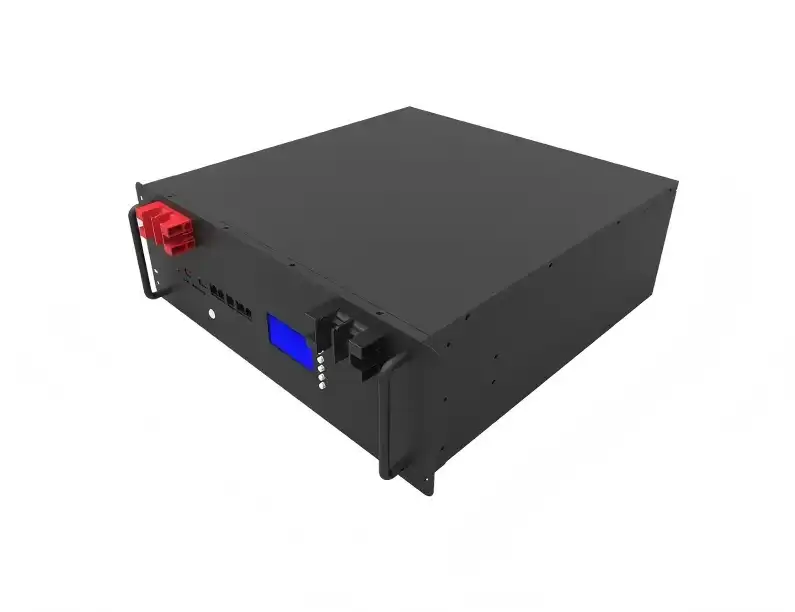
The buying process starts with a careful study of the unique needs of the site, such as how much power is used, how long the backup needs to last, and any environmental restrictions. With a 48V nominal voltage, 50Ah capacity, and 2400Wh energy storage, TOPAK's TP-4850T model is a great example of current modular design. The system's built-in Battery Management System and 50A maximum continuous discharge current make it strong enough for demanding telecom uses.
The technical requirements must match the infrastructure that is already in place and the plans for future growth. The TP-4850T is small (442 x 300 x 133 mm) and weighs 28 kg, so it can be installed in telecom environments with limited room while still performing at a professional level.
Procurement Journey and Vendor Support Evaluation
The whole procurement process includes initial advice, writing technical specifications, evaluating proposals, and helping with implementation. For projects to be successful, the providers must offer full support throughout the entire deployment lifecycle. This includes help with system design, installation, and ongoing technical support.
The success of a project depends a lot on how well the vendor can customize, meet shipping dates, and provide service after the sale. Manufacturers that have been around for a while and can do automated production can provide consistent quality and meet the tight deployment schedules needed for network growth projects.
Total Cost of Ownership and Warranty Considerations
A full cost analysis looks at more than just the original purchase price. It also takes into account things like installation, maintenance, and disposal. Modern battery systems, like the TP-4850T, have a longer cycle life of 3000 cycles at 80% depth of discharge, which means they need to be replaced much less often than older systems.
Long-term value proposition is affected by warranty terms, technical help availability, and the flow of spare parts. When it comes to multi-site deployments and foreign projects, manufacturers with global distribution networks and well-established service organizations lower the risk.
Maintenance Best Practices and Troubleshooting in Modular Backup Systems
Implementing effective maintenance strategies maximizes system reliability and extends operational lifespan while minimizing the total cost of ownership. Modern smart monitoring capabilities enable proactive maintenance approaches that prevent failures and optimize performance.
Routine Maintenance Strategies and Monitoring Integration
Smart tracking data is used by preventive maintenance programs to find the best service intervals and focus on the parts that need fixing. The TP-4850T's built-in Battery Management System protects against over-voltage, over-current, short circuits, and high temperatures, as well as over-voltage and over-current. This lets the system automatically find faults and protect itself.
Visual inspections, checking the connection torque, and keeping an eye on the environment are all regular upkeep tasks. Smart systems automatically send out alerts when parameters are outside of their normal working ranges. This lets problems be fixed quickly, before they affect the system's dependability.
Troubleshooting Common Operational Issues
Modern monitoring systems make troubleshooting a lot easier by giving you full diagnostic information and analysis of past data. A systematic study of monitoring data makes it easy to find common problems like loss of capacity, issues with managing heat, and communication problems.
Advanced systems like the TP-4850T have many safety features that make it less likely that something bad will happen and make it easy to see when something is wrong. This feature cuts down on the average time it takes to fix something and keeps service interruptions to a minimum during maintenance.
TOPAK: Your Trusted Partner for Advanced Backup Power Solutions
TOPAK New Energy Technology Co., Ltd. has established itself as a leading provider of industrial-grade lithium battery solutions since our founding in 2007. Our comprehensive approach to backup power systems combines innovative technology with proven reliability to meet the demanding requirements of modern telecom infrastructure.
Comprehensive Product Portfolio and Technical Capabilities
Our selection of products includes modular backup units, smart monitoring systems made just for telecom uses, and advanced battery technologies. The TP-4850T Base Station Backup Power is our dedication to providing top-notch solutions with LiFePO4 technology, a lot of safety features, and dependable performance in tough conditions.
Because we developed the Battery Management System ourselves, we have full control over safety features, speed optimization, and system compatibility. This vertical connection makes it easy to make changes quickly and makes sure that the system works at its best for each application.
Global Distribution and Support Capabilities
We offer fast shipping, localized support, and custom energy solutions to meet the needs of a wide range of markets through distribution networks that reach more than 15 countries. Our 25,000 square foot factory in Dalang TOPAK Industrial Park has large-scale automated production lines that make sure that global projects get their products quickly and with uniform quality.
Consulting, custom customization, installation help, and service after the sale are all part of our wide range of services. This complete method makes sure that the project is carried out well and that our clients around the world have long-term operating success.
Conclusion
Modular Base Station Backup Power Systems with Smart Monitoring are the most reliable way to power telecom infrastructure in the future. They combine scalable design with smart monitoring features. Traditional backup solutions have given way to more advanced, flexible systems that help operators improve performance, cut costs, and make sure their networks are always online. Investing in modern backup power technology is necessary to stay ahead of the competition and meet customer standards as 5G networks continue to grow and power needs rise. With smart monitoring, backup systems go from being passive pieces of emergency equipment to being active parts of the infrastructure that help improve the general performance and efficiency of the network.
FAQ
How is system capacity determined for base station applications?
System capacity determination involves analyzing site-specific load requirements, desired backup duration, and redundancy needs. The TP-4850T's 2400Wh energy capacity and 50A discharge capability provide reliable backup for typical base station configurations. Load analysis considers equipment power consumption, cooling requirements, and safety margins to ensure adequate capacity during extended outages.
What reliability benefits does smart monitoring provide?
Smart monitoring enables predictive maintenance through continuous analysis of battery health, performance trends, and environmental conditions. Real-time diagnostics identify potential issues before they impact system reliability, reducing unplanned downtime and maintenance costs. The integrated monitoring capabilities provide automated alerts and detailed performance data for optimal system management.
Why are modular systems particularly suited for 5G infrastructure?
5G networks require flexible, scalable power solutions that can adapt to evolving capacity requirements and deployment scenarios. Modular systems enable incremental capacity additions, simplified maintenance, and optimized footprint utilization. The hot-swappable design minimizes service disruption, while advanced monitoring ensures optimal performance for critical 5G applications.
Contact TOPAK for Your Base Station Backup Power Requirements
TOPAK's advanced modular backup power systems with intelligent monitoring capabilities deliver the reliability and performance required for modern telecom infrastructure. Our TP-4850T model and comprehensive product portfolio provide scalable solutions tailored to your specific requirements. Connect with our expert team at B2B@topakpower.com to discuss your backup power needs and discover how our proven Base Station Backup Power manufacturer capabilities can enhance your network reliability and operational efficiency.
References
1. "Telecommunications Power Systems: Reliability and Performance Standards for Critical Infrastructure Applications," International Telecommunications Union Technical Report, 2023.
2. "Lithium-Ion Battery Technology in Telecommunications: Performance Analysis and Lifecycle Cost Evaluation," IEEE Communications Society Technical Publication, 2023.
3. "Modular Power System Design for 5G Network Infrastructure: Scalability and Efficiency Considerations," Telecommunications Industry Association Standards Document, 2022.
4. "Smart Monitoring Systems for Critical Infrastructure: Predictive Maintenance and Reliability Enhancement," Journal of Power Electronics and Industrial Applications, 2023.
5. "Energy Storage Solutions for Telecommunications: Technical Requirements and Market Analysis," International Energy Agency Technology Roadmap, 2023.
6. "Battery Management Systems for Industrial Applications: Safety Standards and Performance Optimization," Institute of Electrical and Electronics Engineers Power Systems Conference Proceedings, 2022.

Tell us your battery specifications or application

TOPAK
Popular Blogs
-
 Product updateSuccessful caseProducts and services
Experience Consistent Power with a Low Speed EV LiFePO4 Battery
-
 Product updateSuccessful caseProducts and services
How Do Base Station Batteries Support Renewable Integration?
-
 Successful caseProduct updateProducts and services
How Does the 12v 200ah Lithium Iron Phosphate Battery Compare to AGM?