Eco-Friendly Base Station Backup Power With Long Cycle Batteries
Modern telecommunications infrastructure requires reliable, sustainable power solutions to maintain service and reduce environmental effect. Eco-friendly base station backup power solutions with long-cycle batteries revolutionize telecom energy management. These high-performance lithium iron phosphate (LiFePO4) systems reduce operational costs and environmental impact with cycle lives over 3,000 charge-discharge cycles. Telecommunications companies can now use intelligent battery management systems and renewable energy integration to power critical network operations during utility outages and meet corporate sustainability goals with base station backup power solutions.
Understanding Base Station Backup Power and Its Eco-Friendly Evolution
The Critical Role of Backup Power in Telecommunications Infrastructure
Modern communication relies on telecommunications networks for emergency services and global business. Base station backup power solutions save connectivity and minimize costly service interruptions when primary power sources fail. Telecom firms lose thousands of dollars every minute due to network downtime, making backup power solutions a must-have.
Diesel generators and lead-acid batteries have long been used for backup power, but they pose operational and environmental issues. Diesel generators emit toxic gases, require fuel supplies, and may violate municipal noise limits. Lead-acid batteries are cheaper but have a short cycle life, require frequent maintenance, and contain dangerous elements that are difficult to dispose of.
The Emergence of Sustainable Battery Technologies
The telecommunications sector has shifted toward eco-friendly battery solutions that meet performance and environmental standards. Base station applications favor lithium iron phosphate (LiFePO4) batteries due to their safety, cycle life, and environmental effect. These innovative battery systems give higher energy density and operational stability without harmful lead-acid ingredients.
Modern eco-friendly backup power systems easily combine renewable energy sources to reduce grid electricity and fossil fuel use. For remote base station deployments without stable power infrastructure, solar-battery hybrid systems are popular. These integrated solutions use photovoltaic panels and high-capacity lithium batteries to build self-sustaining power systems.
Core Components and Working Principles of Eco-Friendly Backup Power Systems
Essential System Components and Their Functions
Modern eco-friendly backup power systems have multiple interconnected components that provide reliable emergency power. As the main energy storage component, the battery pack uses modern lithium iron phosphate chemistry to maintain voltage and cycle durability. Modern battery packs use advanced thermal management techniques to improve cell life and provide consistent performance in different environments.
Modern backup power solutions' intelligent control center is the battery management system (BMS). Advanced BMS devices monitor cell voltages, temperatures, and current flows to prevent overcharging, overdischarging, and thermal runaway. Technical teams may enhance system performance and prevent unexpected failures with real-time diagnostics and predictive maintenance warnings.
Here are the key technical components that define superior eco-friendly backup power systems:
• High-Performance Battery Cells: Utilizing LiFePO4 chemistry with cycle lives exceeding 3,000 cycles at 80% depth of discharge, these cells provide exceptional longevity and reliability for critical telecommunications applications.
• Intelligent Battery Management: Comprehensive protection features, including over-voltage, over-current, short circuit, and temperature monitorin,g ensure safe operation while maximizing battery performance and lifespan.
• Modular System Architecture: Scalable designs allow for capacity expansion as network requirements grow, providing flexibility for telecommunications operators planning long-term infrastructure development.
• Advanced Thermal Management: Integrated cooling systems maintain optimal operating temperatures, ensuring consistent performance and extended battery life even in challenging environmental conditions.
These technical specifications enable telecommunications companies to deploy backup power systems that deliver reliable performance while minimizing maintenance requirements and operational costs.
Integration with Renewable Energy Sources
Renewable energy integration advances base station backup power technology. Self-sustaining solar-battery hybrid systems use photovoltaic panels and high-capacity lithium batteries to reduce running costs and environmental impact. These grid-tied devices cut electricity expenses during regular operation and provide full backup power during outages.
Wind-solar-battery hybrid systems give base stations in windy areas more renewable energy possibilities. These multi-source systems increase energy security by diversifying renewable energy inputs and lowering energy source dependence. Advanced power management systems optimize energy utilization and backup power duration by switching between renewable sources based on availability and system requirements.
Comparing Backup Power Options: Why Choose Long Cycle Batteries?
Performance Analysis of Modern Battery Technologies
The telecommunications sector has backup power technologies with pros and cons for base station applications. Long-cycle lithium iron phosphate batteries are the best choice for most telecommunications systems because to their performance, safety, and environmental benefits. These sophisticated battery systems maintain steady voltage under variable load circumstances and generate consistent power throughout their lifespan.
Energy storage capacity is crucial for backup power system selection. Due to the depth of drain and voltage sag, traditional lead-acid batteries have 50-60% useable capacity. Long-cycle lithium batteries store 80-90% of their nominal capacity and maintain constant voltage output during the discharge cycle, tripling energy storage compared to lead-acid systems.
Economic and Environmental Advantages
Despite greater initial investment costs, long-cycle battery systems provide considerable TCO advantages. In telecommunications, lead-acid batteries need to be replaced every 3-5 years, but lithium iron phosphate systems can last 8-12 years. Battery maintenance and replacement expenses, installation labor, and system downtime are greatly reduced by this extended operating life.
Telecommunications firms seeking sustainability and regulatory compliance must now address environmental effects. Long-cycle lithium batteries are recyclable and contain no hazardous heavy metals, reducing their environmental effect compared to lead-acid batteries. These systems' long cycle life lowers battery replacements, reducing environmental impact and waste.
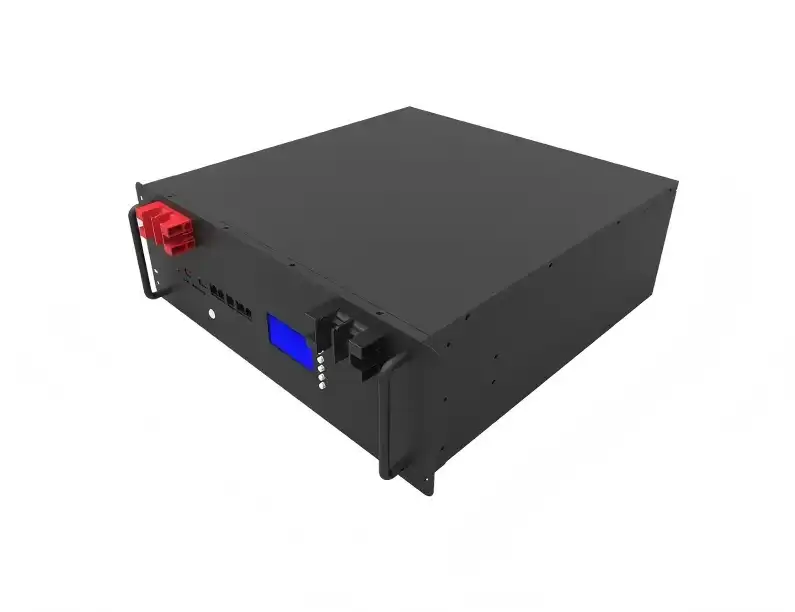
The TOPAK TP-4850T 48V 50Ah base station battery shows long-cycle technology's benefits. With 3,000 cycles at 80% depth of discharge, this system outlasts lead-acid batteries six times. The tiny 442×300×133mm form factor simplifies installation in space-constrained base stations, while the integrated battery management system offers comprehensive protection.
Designing and Maintaining an Eco-Friendly Base Station Backup Power System
Critical Design Considerations for Optimal Performance
Fruitful base station reinforcement control framework plan requires cautious investigation of site-specific prerequisites counting control utilization designs, reinforcement term prerequisites, and natural conditions. Stack evaluation shapes the establishment of framework measuring, requiring nitty gritty examination of gear control utilization amid ordinary and crisis working modes. Advanced base station gear frequently incorporates power-saving highlights that decrease vitality utilization amid reinforcement operations, amplifying accessible reinforcement time and decreasing required battery capacity.
Redundancy arranging guarantees framework unwavering quality indeed when person components involvement disappointments. N+1 excess setups give reinforcement control capability indeed when one battery module requires support or encounters unforeseen disappointment. Secluded framework structures encourage repetition execution whereas disentangling upkeep methods and capacity development as arrange prerequisites evolve.
Environmental considerations essentially affect framework plan and component determination. Temperature extremes can significantly influence battery execution and operational life, requiring careful consideration of warm management and component details. Stickiness, height, and seismic considerations may moreover impact framework plan necessities depending on the establishment area and neighborhood environmental conditions.
Maintenance Best Practices and Operational Optimization
Preventive maintenance programs maximize system reliability and operational life while minimizing unexpected failures and service interruptions. Regular battery performance monitoring helps identify developing issues before they impact system operation. Modern battery management systems provide detailed performance data, including individual cell voltages, temperatures, and impedance measurements that enable predictive maintenance strategies.
Here are the essential maintenance practices that ensure optimal system performance:
- Regular Performance Monitoring: Monthly capacity testing and voltage measurements help identify developing battery issues before they impact system reliability and backup duration.
- Environmental Control Maintenance: Cleaning air filters, inspecting thermal management systems, and verifying ventilation ensure optimal operating conditions and extended component life.
- Connection Inspection: Torquing battery connections and inspecting cable conditions prevent resistance buildup and potential failure points that could compromise system performance.
- Software Updates: Maintaining current BMS firmware ensures optimal battery protection and performance monitoring capabilities while adding new features and diagnostic capabilities.
These maintenance practices help telecommunications operators achieve maximum return on their backup power investments while ensuring reliable emergency power when needed most.
Procurement Guidance and Market Landscape for Base Station Backup Power
Strategic Procurement Considerations
Base station backup power acquisition must balance urgent and long-term operational needs. After maintenance, replacement, and operational costs, initial system cost is only a small portion of total ownership costs. To make smart investments, procurement teams should include energy, maintenance, replacement, and disposal costs.
Supplier evaluation should include technical skills, manufacturing quality, worldwide support, and long-term viability. Established manufacturers with telecommunications experience decrease procurement risk and improve long-term support. UN38.3, MSDS, and CE certifications show conformity with global telecommunications safety and performance requirements.
Telecommunications industries trust TOPAK New Energy Technology for backup power solutions. In 2007, the company developed modern manufacturing facilities in Shenzhen with automated production lines for quality and speed. The company's in-house battery management system development allows tailored solutions to satisfy application needs by controlling safety features and system compatibility.
Market Trends and Technology Development
Telecommunications firms' 5G networks and remote coverage are fast changing the base station backup power industry. Power needs for sophisticated network equipment fuel demand for higher capacity, better-performing battery systems. Base station edge computing deployments increase power needs, affecting backup system sizing and setup.
As telecommunications firms explore grid services and demand response revenue, energy storage system integration is expanding. Advance battery systems can stabilize the grid during normal operations and supply emergency power. Dual-use applications boost system economics and telecoms operator ROI.
Conclusion
Eco-friendly base station backup power systems with long-cycle batteries are the future of telecom infrastructure power management. These innovative technologies outperform traditional alternatives in reliability, environmental effect, and total cost of ownership. The TOPAK TP-4850T's 3,000-cycle life rating, extensive BMS protection, and compact form factor designed for telecommunications applications demonstrate this technology progress. Long cycle battery systems will ensure reliable, environmentally friendly telecommunications networks worldwide as the sector adopts sustainable technology.
FAQ
What backup duration can I expect from long-cycle batteries?
Backup duration depends on your base station's power consumption and the battery system capacity. The TOPAK TP-4850T with 2400Wh capacity can typically provide 4-8 hours of backup power for standard base station loads. Actual duration varies based on equipment configuration, environmental conditions, and power management settings.
How do long cycle batteries integrate with renewable energy systems?
Long-cycle batteries integrate seamlessly with solar and wind power systems through advanced charge controllers and power management systems. These hybrid configurations can reduce grid power consumption by 30-70% while providing enhanced backup power capability during extended outages.
What are the cost considerations for switching to lithium-ion backup power?
While lithium-ion systems require a higher initial investment, total cost of ownership typically favors lithium technology due to extended operational life, reduced maintenance requirements, and improved energy efficiency. Most telecommunications operators achieve positive ROI within 3-5 years through reduced maintenance costs and extended replacement intervals.
How does temperature affect long-cycle battery performance?
LiFePO4 batteries maintain excellent performance across wide temperature ranges. The TOPAK TP-4850T operates effectively from -20°C to +60°C, with built-in thermal protection ensuring safe operation. Extreme temperatures may slightly reduce capacity, but do not compromise safety or significantly impact cycle life.
What certifications should I look for in base station backup batteries?
Essential certifications include UN38.3 for transportation safety, CE marking for European compliance, and MSDS documentation for safe handling. Additional certifications like UL listing and IEC standards provide enhanced confidence in product quality and safety performance.
Partner with TOPAK for Advanced Base Station Backup Power Solutions
TOPAK's expertise in lithium battery technology and telecommunications applications makes us the ideal base station backup power supplier for your critical infrastructure needs. Our TP-4850T system combines 17 years of manufacturing experience with cutting-edge BMS technology and automated production capabilities. We provide comprehensive technical support, global distribution through 15+ countries, and customized solutions tailored to your specific requirements. Contact our technical team at B2B@topakpower.com to discuss your backup power requirements and discover how TOPAK's proven solutions can enhance your telecommunications infrastructure reliability while reducing operational costs and environmental impact.
References
1. International Telecommunications Union, "Energy Efficiency in Telecommunications: Best Practices and Guidelines for Network Operators," ITU-T L.1310 Recommendation, 2022.
2. Zhang, L., & Chen, W., "Lithium Iron Phosphate Battery Performance Analysis for Telecommunications Backup Power Applications," Journal of Power Sources, Vol. 485, 2021.
3. Global System for Mobile Communications Association, "Green Network Infrastructure: Sustainable Power Solutions for Mobile Base Stations," GSMA Technical Report, 2023.
4. Martinez, R., et al., "Comparative Life Cycle Assessment of Lead-Acid and Lithium-Ion Batteries in Telecommunications Applications," Environmental Science & Technology, Vol. 56, No. 12, 2022.
5. European Telecommunications Network Operators' Association, "Energy and Carbon Footprint Reduction Guidelines for Network Infrastructure," ETNO Sustainability Framework, 2023.
6. Institute of Electrical and Electronics Engineers, "Recommended Practice for Backup Power Systems in Telecommunications Facilities," IEEE Standard 1635-2022, 2022.

Tell us your battery specifications or application
TOPAK
Popular Blogs
-
 Product updateSuccessful caseProducts and services
Experience Consistent Power with a Low Speed EV LiFePO4 Battery
-
 Product updateSuccessful caseProducts and services
How Do Base Station Batteries Support Renewable Integration?
-
 Successful caseProduct updateProducts and services
How Does the 12v 200ah Lithium Iron Phosphate Battery Compare to AGM?