Can Base Station Backup Power Reduce Telecom Outage Losses?
Base Station Backup Power systems can greatly lower the amount of money lost during telecom outages by keeping important network functions running when the power goes out. When power goes out to telecommunications infrastructure, operators lose millions of dollars in income and hurt their relationships with customers and the reputation of their brand. Modern backup power solutions, especially advanced lithium battery systems, let base stations stay operational for longer periods of time by switching between power sources without any problems. These methods not only keep you from losing money right away, but they also keep you from having to pay for lost customers and fines in the long run. By putting money into reliable backup power infrastructure, telecom companies turn possible catastrophic losses into manageable business costs and make sure that service delivery doesn't stop.
Understanding Base Station Backup Power and Its Role in Telecom Reliability
Base station backup power systems are the backbone of a resilient telecommunications network. They keep things running even when the main power sources go out. These complex systems include batteries, generators, and green energy sources. They are all meant to keep service going even when the power goes out because of a natural disaster, a problem with the grid, or a problem with the equipment.
Telecom outages cost money in more ways than just the money they take away right away. Industry research shows that major companies can lose anywhere from $10,000 to $50,000 per hour when their networks go down. How much they lose depends on how many subscribers are in the area and how complicated the service is. When you consider that customer turnover rates can rise by 15 to 25 percent after long service interruptions, these costs get even worse.
Modern backup power systems use advanced tracking and control systems to make switching between power sources smooth. When the main power goes out, these systems turn on automatically within milliseconds, making sure that vital communications services don't go down. This ability to respond quickly protects both operational continuity and customer happiness. It also helps telecommunications companies keep the trust they've worked so hard to earn over the years.
Critical Components of Reliable Backup Power Infrastructure
Multiple technologies must work together for backup power systems to be effective. Battery management systems keep an eye on the health, temperature, and charge levels of cells. Inverters, on the other hand, convert DC power into AC power that communications equipment needs. Smart controls run the whole system and make decisions in real time about how to best use power and make the system work better.
Backup power is useful for more than just responding to emergencies. During normal operations, these systems also improve power quality by filtering out electrical noise and voltage changes that could harm critical communications equipment. This two-in-one feature increases the return on investment and safeguards important building assets.
Types of backup power systems for base stations and what they can do for you
There are a lot of different backup power solutions for telecommunications that can be used in a variety of settings and meet different business needs. Knowing about these differences helps users choose the best systems that meet their goals for performance, cost, and sustainability.
Traditional lead-acid battery systems are still used because they are reliable and don't cost much to set up. These systems, on the other hand, need a lot of upkeep, don't last as long, and take up a lot of room. Extreme temperatures hurt their performance, which makes them less useful in rough places where many base stations work.
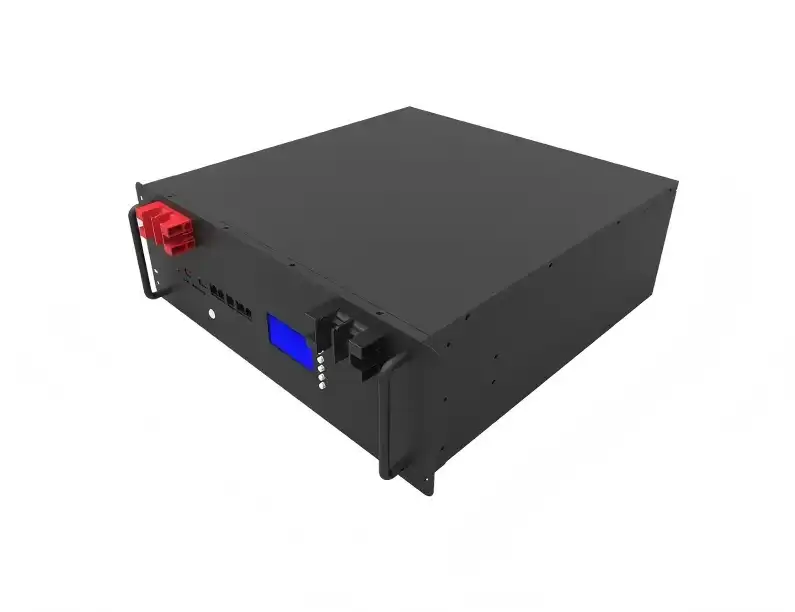
Lithium-ion technology, especially Lithium Iron Phosphate (LiFePO4), is the next step forward for backup power sources. These high-tech batteries have better energy efficiency, more cycles, and better safety features. This new technology is shown by the TOPAK TP-4850T, which has over 3000 cycles of life at 80% depth of discharge and 2400Wh of energy in a small 28 kg box.
AC versus DC System Configurations
Choosing between AC and DC backup systems has a big effect on how hard they are to build and how well they work. DC systems don't lose any power during switching, and they work better with telecom equipment that usually runs on DC power. These systems lower the general amount of energy used and make installation easier.
AC systems work better with the current infrastructure and are more adaptable in places with a mix of equipment. But they add extra steps of conversion that make things less efficient overall and create places where things could go wrong. Modern hybrid systems use both methods to send power in the best way for each piece of equipment.
Solar-powered backup systems are the next big thing in environmentally friendly telecommunications equipment. These systems lower operating costs while providing reliable power in remote areas where connecting to the grid is still hard or expensive. When solar panels are combined with battery storage, they make truly independent power systems that can run forever without needing to refuel.
Comparing Base Station Backup Power Solutions for Optimal Decision-Making
To choose the best backup power systems, you need to look at a lot of different things, such as how well they work, how much they cost to run, how scalable they are, and how well they can adapt to different environments. When buying telecommunications for businesses around the world, this evaluation process is especially important because different deployment settings need flexible solutions.
Performance metrics are the building blocks of any backup power comparison. Battery capacity, discharge rates, working temperature ranges, and cycle life all have a direct effect on how reliable and long-lasting a system is. Modern systems meet these important needs, as shown by the TP-4850T's 50A continuous discharge power and built-in Battery Management System (BMS) with full protection features.
Cost analysis looks at more than just the original purchase price. It also looks at the costs of setup, maintenance, replacement, and disposal over the system's useful life. The starting cost of lithium systems is usually higher than that of traditional alternatives, but their longer cycle life and lower maintenance needs often make them cheaper to own overall.
Scalability and Customization Considerations
Cutting-edge broadcast communications systems require reinforcement control arrangements that can adjust to changing requirements. Measured battery frameworks permit capacity development as the arrangement of activity develops or hardware control requests increase. This versatility ensures introductory ventures while giving development adaptability basic for energetic broadcast communications environments.
Customization capabilities empower optimization for particular arrangement scenarios. Urban 5G systems with tall control thickness requirements require distinctive arrangements from country 4G destinations with amplified runtime needs. Progressed producers give custom-fitted voltage, capacity, and shape figure choices that maximize execution whereas minimizing transmission costs.
Environmental flexibility guarantees solid operation over different geographic and climatic conditions. Frameworks must work dependably in extraordinary temperatures, tall mugginess, and challenging access conditions common in broadcast communications arrangements. Vigorous plans and comprehensive assurance frameworks defend ventures while guaranteeing steady execution.
TOPAK New Energy: Leading Provider of Industrial-Grade Backup Power Solutions
TOPAK New Energy Technology Co., Ltd. has become a known world leader in industrial-grade lithium battery solutions since it was founded in 2007. Our main office is in Longhua, Shenzhen, and our 25,000-square-foot factory is in Dalang TOPAK Industrial Park. We focus on making custom energy storage and power solutions that work in a wide range of settings.
Our full approach to backup power solutions includes more than just making products. It also includes integrating the whole system and providing support services. We offer advanced lithium battery systems, smart Battery Management Systems, and full technical help to make sure that your system works well and is reliable. This all-around method makes sure that telecom operators get whole solutions instead of just parts of them.
The TP-4850T 48V 50Ah Base Station Backup Power is our dedication to cutting-edge technology and dependable operation. This high-tech system blends LiFePO4 battery technology with our own BMS to provide 2400Wh of power in a small 442x300x133mm package. The built-in safety systems protect against too much voltage, too much current, short circuits, and temperature changes, making sure safe use in tough telecommunications settings.
In-House BMS Technology for Superior Performance
Our Battery Management System is a key part of what makes our backup power system reliable and effective. Our in-house engineering team made this advanced BMS, which gives you full control over safety features, speed optimization, and system compatibility. This internal development feature lets changes be made quickly and makes sure that the system works well with a variety of telecommunications equipment.
The BMS constantly checks the performance of each cell, balancing charge levels automatically and stopping situations that could make the system less reliable. Real-time data collection makes it possible to use predictive repair plans that make systems last longer and cost less to run. Remote tracking lets system administrators be proactive and find problems before they affect how the network works.
Large-scale automatic production lines make sure that every battery system we make is of the same high quality and is delivered quickly. Together, our ability to manufacture and our global distribution network that spans more than 15 countries make for reliable supply lines that are necessary for important telecommunications infrastructure projects.
Technical Support, Upgrades, and Maintenance Best Practices
Viable specialized back shapes the foundation of a dependable reinforcement control framework operation. Proactive upkeep procedures, real-time checking capabilities, and comprehensive investigation procedures guarantee most extreme framework uptime while extending operational life. These hone secure broadcast communications speculations while optimizing execution over differing sending environments.
Predictive support techniques use ceaseless observing information to distinguish potential issues some time recently they affect framework execution. Battery well-being calculations track capacity corruption, internal resistance changes, and warm designs that demonstrate drawing closer benefit necessities. This proactive approach decreases unforeseen disappointments while optimizing upkeep planning to minimize operational disruptions.
Standardized establishment strategies guarantee consistent integration with existing broadcast communications foundation, while keeping up compliance with industry security measures. Appropriate establishment strategies maximize framework execution and life span, while decreasing the risk of operational issues. Comprehensive establishment documentation and preparing programs support field groups in executing best practices reliably over differing sending scenarios.
Advanced Monitoring and Upgrade Capabilities
Modern backup power systems use advanced tracking technologies that let you see the health and performance of the system in real time. With these tracking features, system management can be done from afar, so site visits aren't needed as often while still making sure the system works at its best. Data analytics find patterns and trends that help with choices about maintenance and how to make the system work better.
Upgrade tracks that look to the future protect telecommunications investments by making sure they work with new technologies and changing needs. Modular system designs let you add more features and increase capacity without having to update the whole system. It's very helpful to have this kind of freedom as phone networks change to support 5G and other new technologies.
System integration makes sure that backup power options work with management and telecommunications systems that are already in place. Standardized communication protocols allow for centralized monitoring and control, which makes managing networks easier and gives a full picture of the state of the backup power system.
Conclusion
Base Station Backup Power systems provide essential protection against telecom outage losses while ensuring network reliability and customer satisfaction. Modern lithium battery solutions like the TOPAK TP-4850T offer superior performance, longevity, and safety compared to traditional alternatives. Comprehensive evaluation of performance parameters, total cost of ownership, and scalability requirements guides optimal system selection. Professional technical support, proactive maintenance strategies, and advanced monitoring capabilities maximize system value while protecting telecommunications investments in an increasingly connected world.
FAQ
How long can backup power systems maintain base station operations during outages?
Runtime duration depends on system capacity, equipment power consumption, and load management strategies. The TP-4850T with 2400Wh capacity typically provides 4-8 hours of operation for standard base station equipment, though actual runtime varies based on specific power requirements and environmental conditions.
What advantages do lithium batteries offer over traditional lead-acid systems?
Lithium systems provide significantly longer cycle life, higher energy density, faster charging capabilities, and reduced maintenance requirements. The TP-4850T offers over 3000 cycles at 80% depth of discharge compared to 500-800 cycles for typical lead-acid batteries, resulting in lower total cost of ownership despite higher initial investment.
Can backup power systems be customized for specific deployment requirements?
Advanced manufacturers provide extensive customization options, including voltage configurations, capacity scaling, form factor modifications, and BMS feature customization. These capabilities ensure optimal performance across diverse deployment environments from urban 5G networks to remote rural installations.
Partner with TOPAK for Reliable Base Station Backup Power Solutions
TOPAK's proven expertise as a base station backup power manufacturer ensures your telecommunications infrastructure remains operational when it matters most. Our TP-4850T lithium battery systems, backed by in-house BMS technology and global technical support, provide the reliability and performance your network demands. With automated production capabilities and distribution across 15+ countries, we deliver consistent quality and responsive service for critical telecommunications applications. Connect with our engineering team at B2B@topakpower.com to discuss customized backup power solutions that protect your network investment while reducing outage-related losses. Experience the difference that advanced battery technology and dedicated support make in telecommunications infrastructure reliability.
References
1. Global Telecommunications Infrastructure Reliability Report, International Telecommunications Union, 2023.
2. Economic Impact Analysis of Network Outages in Cellular Communications, Telecommunications Industry Association, 2023.
3. Advanced Battery Technologies for Critical Infrastructure Applications, Institute of Electrical and Electronics Engineers, 2022.
4. Backup Power Systems Performance Standards for Telecommunications Equipment, American National Standards Institute, 2023.
5. Lifecycle Cost Analysis of Energy Storage Systems in Telecommunications Networks, Energy Storage Association, 2022.
6. Best Practices for Telecommunications Infrastructure Resilience and Business Continuity, Federal Communications Commission, 2023.

Tell us your battery specifications or application

TOPAK
Popular Blogs
-
 Product updateSuccessful caseProducts and services
Experience Consistent Power with a Low Speed EV LiFePO4 Battery
-
 Product updateSuccessful caseProducts and services
How Do Base Station Batteries Support Renewable Integration?
-
 Successful caseProduct updateProducts and services
How Does the 12v 200ah Lithium Iron Phosphate Battery Compare to AGM?