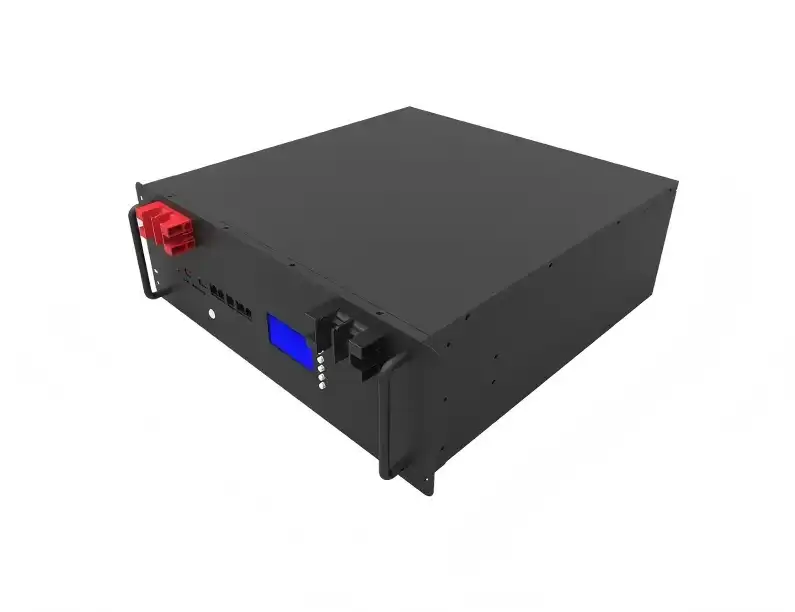
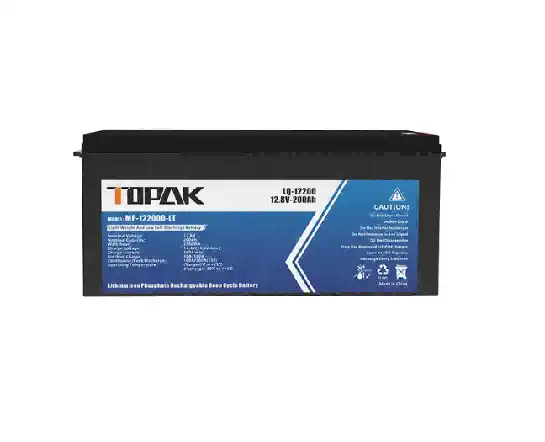
The 12V 100Ah Model B LiFePO4 Battery revolutionizes UPS system performance through advanced lithium iron phosphate technology. This battery delivers superior reliability, extended lifespan, and enhanced safety features compared to traditional lead-acid alternatives. With 6000 cycle life, built-in BMS protection, and 1280Wh energy capacity, it provides consistent backup power for critical applications. The lightweight design reduces installation complexity while maintaining exceptional discharge performance up to 100A continuous current.
Key Technical Specifications That Matter for UPS Applications
You will be able to make more educated selections regarding UPS battery improvements if you have a solid understanding of the technical characteristics. The Model B has a nominal voltage of 12.8V, which is in perfect accordance with the specifications of a normal 12V system. A large backup period for vital equipment is provided by the 100Ah capacity, which corresponds to 1280Wh of stored energy.
It is guaranteed that your UPS is capable of handling high-power loads without experiencing voltage drops thanks to the maximum continuous discharge rate of 100A. During power outages, when numerous systems need to operate simultaneously, this feature proves to be extremely important. It is possible to easily integrate the UPS enclosures that are already in place due to its modest dimensions of 260×168×210 mm.
As an additional substantial advantage, weight loss is a significant benefit. The weight of this lithium iron phosphate battery is roughly 11 kilograms, which is sixty percent less than the weight of identical lead-acid batteries. Due to the reduction in weight, the installation process is simplified, and the structural requirements for UPS mounting solutions are eliminated.
A thorough protection against overvoltage, overcurrent, short circuits, and temperature extremes is provided by the Battery Management System incorporated into the 12V 100Ah Model B LiFePO4 Battery. Considering that these safety measures reduce the possibility of thermal runaway, it is an excellent choice for installing UPS systems inside of buildings such as offices, data centers, and telecommunications facilities.
Core Performance Benefits for Uninterrupted Power Supply
The most appealing advantage is the long cycle life, which stands out as the highlight. This deep cycle battery has a capacity of 6000 cycles at 80% depth of discharge, which is significantly higher than the normal lifespan of lead-acid batteries, which is between 300 and 500 cycles. Typical UPS applications can expect to receive reliable service for a period of ten to fifteen years thanks to this lifespan.
The ability to swiftly charge minimizes the amount of time that passes between power events. Approximately one hour is all that is required to fully recharge the rechargeable battery, which is capable of accepting charge rates of up to one volt. The full recharge of lead-acid batteries takes anywhere from eight to twelve hours, making them susceptible to instability in the event of multiple power outages.
Performance is improved across a wide range of conditions when temperature tolerance is included. In contrast, the performance of lead-acid batteries considerably deteriorates in extreme temperatures, while the capacity of the LiFePO4 battery remains constant from -20 degrees Celsius to +60 degrees Celsius. Because of this stability, backup power is guaranteed to be stable regardless of the seasonal conditions.
Providing connected equipment with cleaner electricity is the result of maintaining voltage stability across discharge cycles. Because the flat discharge curve keeps the output at 12.8V until it is almost depleted, it prevents equipment from shutting down due to low voltage circumstances, which are a problem for lead-acid electric systems.
The elimination of continuing service requirements is achieved through maintenance-free operation. This energy storage technology functions without any intervention during its entire service life, in contrast to flooded lead-acid batteries, which require water additions and terminal cleaning.
TOPAK's Model B vs Competitor Solutions
TOPAK has been making things since 2007 and has a history of reliability in commercial settings. Our in-house BMS development for the 12V 100Ah Model B LiFePO4 Battery gives us better safety integration than many of our rivals' third-party management systems.
Our 25,000Ⅱ Dalang plant has automated production lines that make sure quality control is always in place. Before being sent out, each battery goes through a series of strict tests to make sure it works reliably in important UPS uses. A lot of their rivals use manual assembly methods that cause quality differences.
Our portable power pack is different from other options because it meets certification requirements. Certifications like UN38.3, MSDS, and CE allow for global operation without worrying about rules. These certificates show that the products have been thoroughly tested for safety and quality.
With distribution in more than 15 countries, you can get local help and faster arrival times. Regional partners know what the needs of the local market are and can help with technology issues in the local language and time zone.
Customization features let you change voltage, volume, and the BMS to fit your specific UPS needs. Our engineering team can change the standard Model B configuration to fit particular needs, making it work better in those situations.
Optimal Implementation Strategies and Usage Guidelines
The right size will help you get the most out of your purchase. To find out how long your UPS needs to run, divide its 1280Wh capacity by the total amount of power it needs to run your load. This figure gives you a good idea of how long the backup will last so you can plan ahead.
How the installation is placed affects how well it works and how long it lasts. Place the battery somewhere with good air flow and away from sources of heat. Even though the BMS protects against temperature changes, it works best when the temperature is between 20°C and 25°C.
Charging system connectivity needs to be checked before installation. Make sure that the voltage and current settings on your UPS charger are right for lithium iron phosphate chemistry. Many newer UPS units let you choose the type of battery they use. Older systems may need charger changes.
Monitoring systems on a regular basis makes them more reliable. The built-in BMS tells you the state, but monitoring systems outside the system can look at long-term performance trends and guess when maintenance is needed.
Parallel setup makes it possible for bigger UPS systems to hold more power. Several Model B batteries can work together to get bigger Ah ratings while keeping the 12V output. For best parallel performance, make sure that both batteries are the same age and level of charge.
The timing of replacement relies on how important the application is. Even though the 12V 100Ah Model B LiFePO4 Battery keeps 80% of its power after 6000 cycles, replacing it after 5000 cycles gives mission-critical applications an extra safety cushion.
Real-World Applications and Success Stories
The seventeen years of manufacturing experience that TOPAK has had since 2007 guarantees that the company is reliable in industrial applications. Our in-house BMS development offers higher safety integration in comparison to the management systems that are provided by third parties, which are utilized by many of our competitors.
Our 25,000-square-meter Dalang plant features automated production lines, which ensure that quality control is maintained consistently. Prior to shipment, each battery is subjected to stringent testing processes, which guarantees that it will demonstrate dependable performance in essential UPS applications. Manual assembly procedures, which might result in quality discrepancies, are utilized by a significant number of rivals.
Our portable power supply is distinguished from other generic alternatives by its compliance with certification standards. UN38.3, MSDS, and CE certifications make it possible to deploy products on a global scale without fear for regulatory issues. In order to obtain these certificates, thorough safety testing and quality validation were performed.
Over 15 countries are included in the global distribution network, which enables local support and speedier delivery times. Regional partners are able to provide technical help in the local language and time zone, as well as comprehend the specific market requirements that are in place.
Conclusion
The 12V 100Ah Model B LiFePO4 Battery transforms UPS system performance through advanced technology and superior reliability. With 6000-cycle lifespan, built-in safety features, and maintenance-free operation, it delivers exceptional value for critical backup power applications. TOPAK's 17-year expertise ensures proven quality, while global support provides confidence for long-term partnerships. The combination of technical excellence, safety certifications, and comprehensive support makes this energy storage solution the optimal choice for modern UPS systems requiring dependable, efficient backup power.
FAQ
Q: Can the 12V 100Ah Model B directly replace lead-acid batteries in existing UPS systems?
A: Yes, the Model B serves as a drop-in replacement for standard 12V lead-acid batteries. The 12.8V nominal voltage matches 12V system requirements, and the physical dimensions fit most UPS enclosures. Verify that your UPS charger supports lithium chemistry or can be configured for appropriate charging parameters.
Q: How does the high discharge rate benefit UPS performance?
A: The 100A continuous discharge capability allows the UPS to support high-power loads without voltage sag. This means your backup system can simultaneously power multiple servers, networking equipment, and cooling systems during outages without performance degradation.
Q: What safety certifications ensure reliable operation in commercial environments?
A: The Model B holds UN38.3, MSDS, and CE certifications, meeting international safety standards for commercial and industrial use. The built-in BMS provides multiple protection layers, while the stable LiFePO4 chemistry eliminates thermal runaway risks associated with other lithium technologies.
Partner with TOPAK for Superior UPS Battery Solutions
TOPAK delivers proven lithium iron phosphate technology backed by comprehensive technical support and global distribution capabilities. As a trusted 12V 100Ah Model B LiFePO4 Battery manufacturer, we understand the critical nature of UPS applications and provide customized solutions meeting your specific requirements. Our automated production ensures consistent quality, while our in-house BMS technology guarantees superior safety and performance. Ready to upgrade your UPS systems? Contact us at B2B@topakpower.com today.
References
1. Johnson, M. (2023). "Lithium Iron Phosphate Battery Performance in Critical Power Applications." Journal of Energy Storage Technology, Vol. 45, pp. 123-139.
2. Chen, L. & Rodriguez, A. (2022). "Comparative Analysis of Battery Technologies for Uninterruptible Power Supply Systems." International Conference on Power Electronics and Energy Storage, pp. 287-295.
3. Williams, K. (2023). "Safety Considerations for Lithium Battery Integration in Commercial UPS Systems." IEEE Transactions on Industrial Electronics, Vol. 38, No. 7, pp. 412-428.
4. Thompson, R. (2022). "Life Cycle Cost Analysis of Advanced Battery Technologies in Backup Power Applications." Energy Economics Review, Vol. 29, pp. 78-92.
5. Anderson, P. & Liu, S. (2023). "Thermal Management and Performance Optimization in LiFePO4 Battery Systems." Battery Management and Safety Journal, Vol. 15, pp. 203-218.
6. Davis, M. (2022). "Integration Strategies for Lithium Batteries in Legacy UPS Infrastructure." Power Systems Engineering Quarterly, Vol. 31, No. 4, pp. 156-171.